Commercial Freezer Repair in Kuwait: Faults and Repair Costs
·
Commercial Freezer Repair in Kuwait: Common Problems and Repair Costs
If you own a restaurant, grocery store, or supermarket in Kuwait and notice that your commercial freezer is running but not freezing, ice is accumulating abnormally inside it, or the compressor suddenly shuts down, your first concern is probably protecting your inventory and understanding the repair cost before the problem leads to spoiled products and lost sales.
This is why commercial freezer repair in Kuwait should begin with an accurate diagnosis of the underlying fault rather than randomly replacing components or adding refrigerant.
Direct answer: The most common commercial freezer problems include weak freezing performance, compressor shutdowns, faulty fans, dirty condensers, damaged door gaskets, excessive ice accumulation, water leakage, and temperature sensor or thermostat faults.
Repair costs depend on the freezer type, appliance size, cause of the problem, required replacement parts, inspection procedures, and labor. Therefore, no reliable fixed repair price can be provided before the fault has been diagnosed.
It is also important to understand that the same fault may appear differently in a commercial chest freezer used by a restaurant, an upright freezer inside a supermarket, or an ice cream display freezer. Some appliances depend on fans for air circulation, while defrosting systems and door arrangements vary between models.
If your freezer contains meat, poultry, fish, or frozen meals, do not rely solely on the freezer's air temperature to determine whether your inventory is safe.
A temperature of −18°C or below is a commonly used reference for frozen food storage. However, assessing products after a breakdown also depends on their actual temperature and how long they have been exposed to unsuitable conditions.
The United States Food and Drug Administration's food safety guidance emphasizes minimizing freezer door opening during breakdowns, checking product temperatures, and not relying on smell or appearance alone to determine food safety.
These are general recommendations that must be applied alongside local requirements and the facility's food safety procedures.
In this guide from Cold Room and Display Refrigerator Maintenance, we explain common commercial freezer faults and their causes, the differences between chest and upright freezer problems, how ice cream display freezers are inspected, and why water leakage and excessive ice accumulation occur.
We also discuss the factors affecting repair costs so you can request a maintenance technician with a clear understanding of the information and technical specifications that should be checked.
Commercial Freezer Repair in Kuwait: What Does the Service Include and How Does Diagnosis Begin?
When requesting commercial freezer repair in Kuwait, it is important to begin by identifying the freezer type and the products stored inside it.
The symptoms and available temperature records should then be reviewed before deciding what needs to be repaired.
The freezer may have stopped operating completely, or the compressor may run continuously without bringing the products to the required freezing temperature.
In some cases, the problem affects only one section of the freezer because of poor airflow distribution or an obstruction inside the appliance.
The correct solution is therefore not always replacing the compressor or thermostat. Every fault requires inspection procedures suitable for the equipment and its operating conditions.
What Types of Commercial Freezers May Require Maintenance?
Several types are used in restaurants, grocery stores, and supermarkets, including:
-
Commercial chest freezers for storing meat and other foods.
-
Upright commercial freezers with hinged doors.
-
Display freezers with glass doors.
-
Freezers for displaying ice cream and other frozen products.
-
Display freezers with sliding glass lids.
-
Freezing equipment used in central kitchens.
-
Certain large-capacity commercial storage freezers.
-
Display freezers connected to centralized refrigeration systems.
Inspection methods differ according to equipment design, refrigeration unit type, control functions, and defrosting arrangements.
What Is the First Step if a Commercial Freezer Is Not Freezing?
Start by recording the temperature shown on the display, the time you discovered the problem, and any alarm messages.
Then minimize opening the door or lid to prevent warm air from entering and increasing the refrigeration load.
If the freezer contains temperature-sensitive products, review your business's food safety procedures and arrange to move them to a functioning freezer if their storage conditions are at risk.
Do not repeatedly disconnect and reconnect the electricity or change protective settings without knowing the cause of the problem.
Does a Freezer Light Being On Mean Freezing Is Working?
No. The internal light or display may work while the compressor remains stopped because of an electrical problem, a command from the controller, or activation of a protective device.
The compressor may also be running while refrigeration capacity remains insufficient.
It is therefore necessary to distinguish between electrical power reaching the appliance and its ability to remove heat from the products.
A continuing rise in temperature requires attention even when some freezer components appear to be operating normally.
Can the Freezer Be Checked Without Disassembling Components?
You can safely observe whether the door closes properly, whether products block airflow openings, and what the control display and alarm indicators show.
You can also look for abnormal ice accumulation or water collecting around the appliance.
However, you should not open electrical panels or touch the compressor, fans, or refrigerant pipes.
Pressure measurements, electrical current testing, and internal component inspections must be performed by a qualified technician.
What Faults Can Occur in Commercial Freezers?
Possible problems include:
-
Failure to reach the required freezing temperature.
-
Sudden compressor shutdown.
-
Repeated compressor starting and stopping.
-
Weak airflow inside the freezer.
-
Excessive ice accumulation on the evaporator.
-
Water leaking from underneath the appliance.
-
Damaged or poorly sealing door gaskets.
-
Condenser overheating because of inadequate ventilation.
-
Incorrect temperature sensor readings.
-
Defrost system problems.
-
Electrical faults in operating circuits.
-
Refrigerant leaks or problems with refrigerant flow.
However, these symptoms do not confirm that a particular component has failed until appropriate tests are performed.
Does a Temperature Increase Require Immediate Freezer Repair?
That depends on actual product temperatures, the duration of the problem, inventory type, and whether alternative storage is available.
Some temperature increases may be temporary after loading products or during specific operating stages.
However, a continuing increase or thawing products requires urgent attention.
Temperature-sensitive food should not remain inside equipment that cannot maintain suitable storage conditions while you wait to establish the cause.
Does Commercial Freezer Repair Always Require Replacement Parts?
No. Some problems may be corrected through appropriate cleaning, resolving a door-sealing issue, or adjusting settings that are intended for users.
Other faults require replacement of a damaged component.
More than one component may also be affected.
The inspection findings should therefore be understood before replacement parts are purchased.
The objective is to repair the actual fault rather than trying new components at random.
What Information Should You Prepare When Contacting a Technician?
Useful details include:
-
Business type and location in Kuwait.
-
Freezer type: chest, upright, or display freezer.
-
Brand and model, if known.
-
Required and current temperatures.
-
Whether the appliance is running or stopped.
-
Any unusual noises or alarm messages.
-
Excessive ice or water leakage.
-
When the problem started.
-
The type of products stored inside.
-
Whether another freezer is available to protect inventory.
If your commercial freezer has weak freezing performance, prepare the fault details and request a diagnosis before replacing the compressor or adding refrigerant. This helps ensure the repair cost is based on the actual problem.
Commercial Freezer Technician for Restaurants: How Can You Protect Inventory and Choose the Right Repair?
A commercial freezer technician for restaurants needs to understand the kitchen's operating requirements because the freezer may contain meat, poultry, fish, sauces, and prepared meals with different storage and handling needs.
Restaurant staff may also open the freezer repeatedly during busy periods and leave it closed for extended periods after business hours.
The inspection must therefore distinguish between problems caused by unsuitable operating conditions and technical faults that prevent the appliance from maintaining its required freezing temperature.
What Are the Most Common Restaurant Freezer Problems?
Possible problems include weak freezing, compressor shutdown, excessive ice accumulation, and door gasket damage resulting from frequent use.
Drainage, fan, and control system faults may also occur.
However, the freezer type and its location inside the kitchen affect which causes are most likely.
The model and operating conditions must therefore be identified before repairs are approved.
Does Kitchen Heat Affect Freezer Performance?
Yes. High surrounding temperatures can increase the refrigeration load, especially if the freezer is installed close to ovens or cooking equipment.
Poor condenser ventilation may also interfere with heat rejection.
However, placing a freezer in a hot kitchen does not mean repeated shutdowns should be considered normal.
If the appliance cannot achieve its required operating conditions, its suitability for the location and the condition of its components must be reviewed.
Can Frequently Opening the Door Cause Weak Freezing?
Frequent opening allows warm, humid air to enter and increases the amount of heat the system must remove.
It may also increase ice formation in certain designs.
However, the appliance must operate within the conditions for which it was designed.
If it cannot maintain the products in a properly frozen condition, its operating procedures may need adjustment or a technical fault may need repair.
Is Product Arrangement Inside the Freezer Important?
Yes. Stacking cartons in front of air openings may restrict circulation between products.
Poor arrangement can also make certain ingredients difficult to access or interfere with stock rotation.
Inventory should therefore be organized according to appliance loading limits and manufacturer instructions.
Products should also be separated where necessary to prevent cross-contamination and support appropriate batch handling.
Is a Commercial Freezer Suitable for Large Quantities of Hot Food?
A commercial storage freezer should not automatically be considered suitable for rapidly and safely freezing large quantities of hot food.
Cooked food requires appropriate cooling procedures before freezing according to the approved food safety plan.
Introducing substantial quantities of hot products may increase the refrigeration load and affect products already stored inside.
A freezer designed to maintain frozen food must therefore be distinguished from rapid cooling or blast freezing equipment used in food production.
What Should You Do if Restaurant Inventory Starts Thawing?
Record the time you discovered the problem and the available temperature readings, then minimize opening the freezer.
If a suitable alternative freezer is available, it may be necessary to transfer products in an organized manner while considering their temperature and condition.
Do not rely solely on smell or appearance when judging the safety of meat or other foods.
Food safety guidance indicates that ice crystals remaining in food, or the product staying at approximately 4°C or below, may be relevant when assessing whether some foods can be refrozen.
However, commercial decisions must also consider the product type, the facility's requirements, and applicable local regulations.
Can the Freezer Be Repaired While the Restaurant Is Operating?
Inspection may be possible during operating hours, but certain repairs require the appliance to be disconnected or emptied.
Work may also involve accessing the rear unit, electrical compartment, or evaporator.
The maintenance appointment should therefore be coordinated with restaurant management, and a plan should be prepared to protect frozen ingredients.
It cannot be assumed that every product will remain at a suitable temperature throughout the repair without assessing the circumstances.
What Is the Difference Between Freezer Repair and Routine Kitchen Maintenance?
Repair addresses an existing fault, such as a stopped compressor or fan or a control system problem.
Preventive maintenance includes suitable inspections that may help identify inadequate ventilation, condenser dirt, or damaged gaskets before performance deteriorates.
However, preventive maintenance does not guarantee that every breakdown can be avoided.
A restaurant should therefore also have a plan for responding to unexpected freezer temperature increases.
What Standards Should You Look for in a Restaurant Freezer Technician?
Focus on the technician's ability to:
-
Work with commercial freezing equipment.
-
Diagnose electrical and mechanical problems safely.
-
Inspect fans, condensers, compressors, and controls.
-
Identify the cause before replacing parts.
-
Explain inspection and repair charges.
-
Use components compatible with the appliance.
-
Test freezing performance after repairs.
-
Consider the products stored inside the freezer.
If your restaurant freezer is not freezing properly, protect the inventory first. Then request an inspection that identifies the cause and explains repair costs before approving replacement parts.
Commercial Chest Freezer Repair Prices: Which Faults Affect Maintenance Costs?
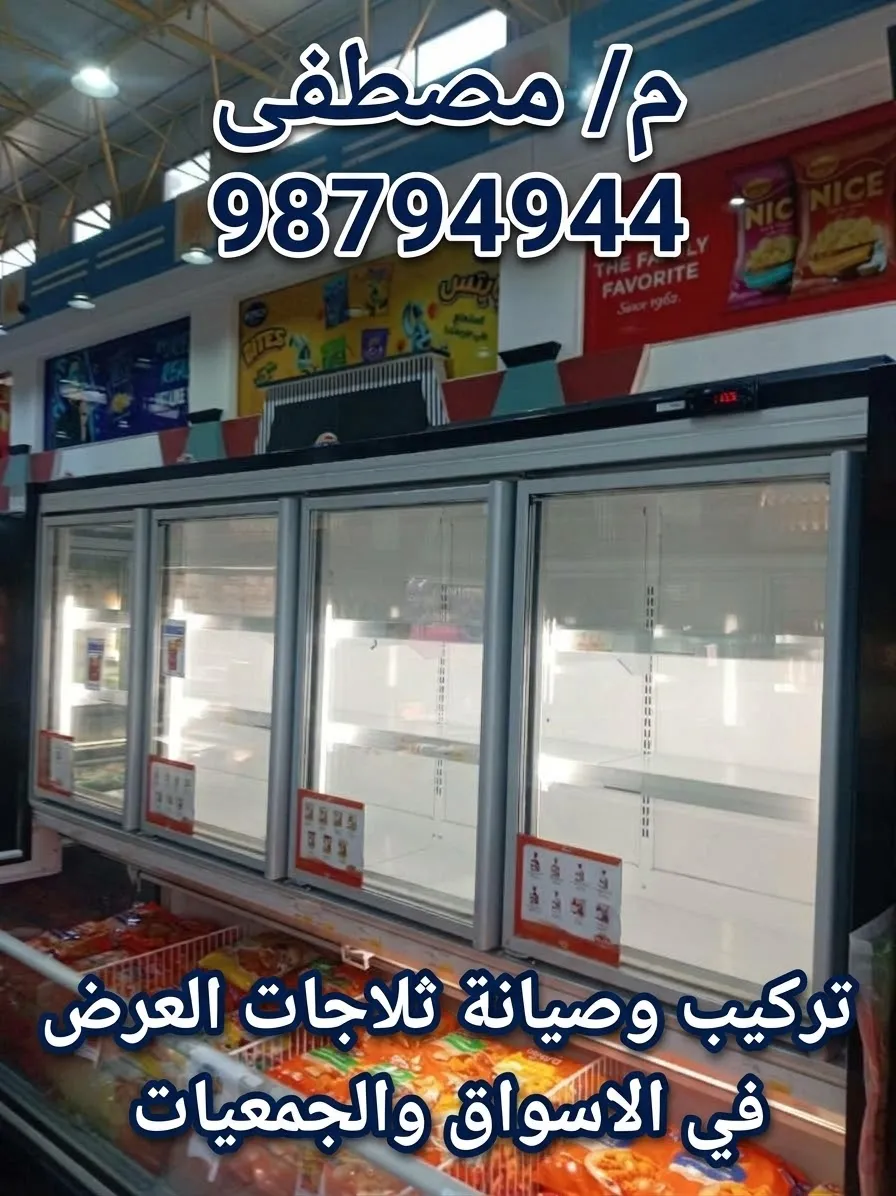
When a restaurant or grocery store owner searches for the price of commercial chest freezer repair, the appliance is often used to store meat, poultry, frozen meals, or ice cream containers.
Some chest freezers have top-opening lids, while others have sliding glass covers or solid insulated lids. Their cooling and defrosting arrangements may also differ between models.
The repair price therefore depends not only on freezer size but also on the fault, the damaged components, and the work needed to restore proper operation.
Is a Chest Freezer Cheaper to Repair Than an Upright Freezer?
Not necessarily. Some components may be easier to access in one appliance, while another may require parts to be removed or equipment to be moved before a repair can be completed.
Compressor, sensor, thermostat, and gasket prices also vary according to model.
Refrigeration system type and defrosting arrangements may further affect costs.
It is therefore inaccurate to assume that chest freezer repairs are always cheaper than upright freezer repairs.
What Are the Common Problems in Commercial Chest Freezers?
Possible problems include:
-
Weak freezing despite continuous operation.
-
Unexpected compressor shutdown.
-
Damaged lid gaskets or poor sealing.
-
Excessive ice accumulation around the edges.
-
Faulty thermostats or temperature sensors.
-
Inadequate condenser heat rejection.
-
Water leakage after defrosting.
-
Lighting or control faults in certain models.
-
Problems with sliding lids or hinges.
-
Unusual noises or vibrations.
However, diagnosis depends on the actual freezer type and design, not solely on a list of symptoms.
Can a Poorly Sealing Freezer Lid Increase Repair Costs?
A lid that does not seal properly may allow warm air and moisture to enter, increasing the refrigeration load and contributing to ice accumulation.
The cause may be the gasket, hinges, or an obstruction preventing the lid from closing.
Some cases require only a limited repair, while others need a replacement gasket of the appropriate size.
The closing mechanism must therefore be inspected before deciding which component needs replacement.
Does a Changing Freezer Temperature Mean the Thermostat Is Defective?
No. Temperature readings may be affected by frequent lid opening, the introduction of new products, or a temperature sensor positioned incorrectly.
A fault may also exist in the components responsible for carrying out the controller's commands.
The displayed reading should therefore be compared with suitable measurements, and the appliance's operating response must be reviewed.
Replacing the thermostat without confirming that it is responsible is not recommended.
Is Ice Accumulation Around a Chest Freezer's Edges Normal?
Some ice may form because of moisture and lid opening, but continuous or abnormal accumulation requires attention.
The cause may be inadequate sealing or exposure to high humidity.
Defrost arrangements also differ between appliances.
Not every chest freezer has an automatic electric defrost heater, so one should not be assumed to exist.
Is Compressor Replacement Expensive?
Replacing a compressor generally involves more extensive work than repairing certain small components, but the actual cost depends on its type, capacity, specifications, and availability.
The cause of the original compressor failure may also need investigation before a replacement is installed.
A replacement compressor should not be selected simply because it has a similar horsepower rating.
It must be compatible with the refrigerant, electrical supply, operating conditions, and appliance requirements.
Is Refrigerant Recharging Included in the Repair Price?
That depends on the diagnosis and the service quotation.
If a confirmed leak has caused the system to lose refrigerant, the repair may involve locating and correcting the leak, performing the required tests, and restoring the appropriate refrigerant charge.
However, refrigerant recharging is not necessary for every freezer that fails to freeze properly.
It should not be approved before the reason for it has been established.
What Factors Determine Commercial Chest Freezer Repair Costs?
|
Problem type |
Possible work |
Factor affecting cost |
|
Damaged lid gasket |
Inspecting closure and replacing the gasket when necessary |
Size, type, and installation method |
|
Poor condenser performance |
Checking ventilation, cleaning, and inspecting the fan where fitted |
Design and accessibility |
|
Thermostat fault |
Checking temperature readings, control functions, and wiring |
Controller or thermostat type |
|
Compressor stopped |
Inspecting protection and compressor condition and repairing the fault |
Model and repair scope |
|
Refrigerant leak |
Detecting and repairing the leak |
Leak location and system type |
|
Excessive ice accumulation |
Reviewing sealing and defrosting |
Cause and required treatment |
|
Water leakage |
Checking drainage and condensation sources |
Location of blockage or damage |
This table illustrates differences in the scope of possible repairs. It is not a fixed price list.
Is It Better to Repair an Old Chest Freezer or Replace It?
That depends on its overall condition, frequency of breakdowns, replacement part prices, and ability to maintain the required storage conditions.
Repairing a limited fault may be reasonable, while an appliance with recurring major problems may require an economic comparison with replacement equipment.
Transportation and installation costs for a new freezer should also be considered.
If you want to know the commercial chest freezer repair price in Kuwait, request a breakdown of the damaged component, labor charges, and necessary tests before approving repairs or purchasing a replacement appliance.
Upright Freezer Maintenance for Supermarkets: Fixing Weak Freezing and Uneven Shelf Temperatures
Upright freezer maintenance for supermarkets requires examining airflow distribution, doors, and product arrangement because these appliances often have several shelves and may be opened frequently.
A supermarket owner may notice that products on upper shelves are not as thoroughly frozen as required while products near other areas remain colder.
However, this difference does not necessarily mean that the compressor is defective. It may involve fans, product loading, airflow passages, or the control system.
Why Are Some Upright Freezer Shelves Warmer Than Others?
The cause may be insufficient airflow, products obstructing supply or return openings, or an unsuitable arrangement of shelving.
Air temperatures may also vary when doors are opened or during defrosting stages.
The appliance must therefore be assessed using suitable measurements before concluding that a particular component is defective.
Is the Evaporator Fan a Major Cause of Weak Freezing?
It may be one possible cause if it fails to operate when required or the resulting airflow is inadequate.
However, some systems normally stop evaporator fans during defrosting or when doors are opened.
Ice may also obstruct the fan blades or air passages.
The fan's operating function and controls must therefore be inspected rather than immediately replacing the motor.
Do Glass Doors Increase the Freezer's Refrigeration Load?
Door design, glass insulation properties, and gasket quality differ between appliances.
Frequent opening or damaged gaskets may increase the heat and moisture entering the freezer.
Poor door closure may also lead to additional ice and condensation.
However, glass doors are not inherently a design defect when the appliance is intended for this use.
Door condition, hinges, gaskets, and operating conditions should be reviewed.
Why Are Anti-Condensation or Anti-Frost Heaters Important in Certain Appliances?
Some glass-door freezers contain components designed to reduce condensation or frost in specific areas.
Their arrangement and function vary according to the appliance.
A fault may cause problems with visibility, closure, or unwanted ice accumulation.
However, these components should not automatically be blamed for every case of weak freezing.
Can Carton Arrangement Prevent Proper Freezing?
Yes, when products obstruct air supply or return openings or exceed the manufacturer's loading limits.
This can reduce cold air distribution to certain shelves even while the refrigeration equipment continues operating.
The loading limits and markings specified by the manufacturer must therefore be followed.
Areas in front of airflow openings should not be used to store additional products.
Does a Supermarket Freezer Need Centralized Refrigeration?
Some supermarkets use independent freezers, while others have display units connected to a centralized refrigeration system.
This affects diagnosis because the fault may be limited to one display cabinet or associated with a shared component.
The refrigeration system type should therefore be identified when requesting a technician.
It should not be assumed that every upright freezer has its own internal compressor.
Can Frequently Opening the Doors Cause Ice Accumulation?
Frequent opening may introduce additional moisture, increasing the load on refrigeration and defrost systems.
However, continued excessive ice accumulation despite suitable use may indicate a problem with door sealing, defrosting, or controls.
The condition should be assessed alongside operating schedules and fault records.
Repeatedly removing ice is not enough if the cause of its return remains unidentified.
What Inspections Are Important During Maintenance?
They may include:
-
Reviewing temperatures and alarms.
-
Inspecting door gaskets and hinges.
-
Checking airflow routes and loading limits.
-
Inspecting fan operation.
-
Reviewing evaporator condition and ice accumulation.
-
Testing defrost functions.
-
Checking sensors and controls.
-
Inspecting the independent refrigeration unit or centralized system, depending on the design.
-
Verifying protective device operation.
-
Testing performance after the repair.
Can an Upright Freezer Be Maintained Without Removing the Products?
Certain inspections may be possible with products still inside the freezer.
However, repairs requiring refrigeration shutdown or access to the evaporator or internal components may require inventory to be transferred.
A product protection plan should therefore be agreed upon before work begins.
It should not be assumed that products will remain at a suitable temperature throughout maintenance.
If your supermarket upright freezer is not freezing evenly, request an inspection of airflow distribution, doors, defrosting, and controls before deciding to replace the compressor.
Shop Freezer Running but Not Freezing: Is the Cause Refrigerant, Compressor, or Fans?
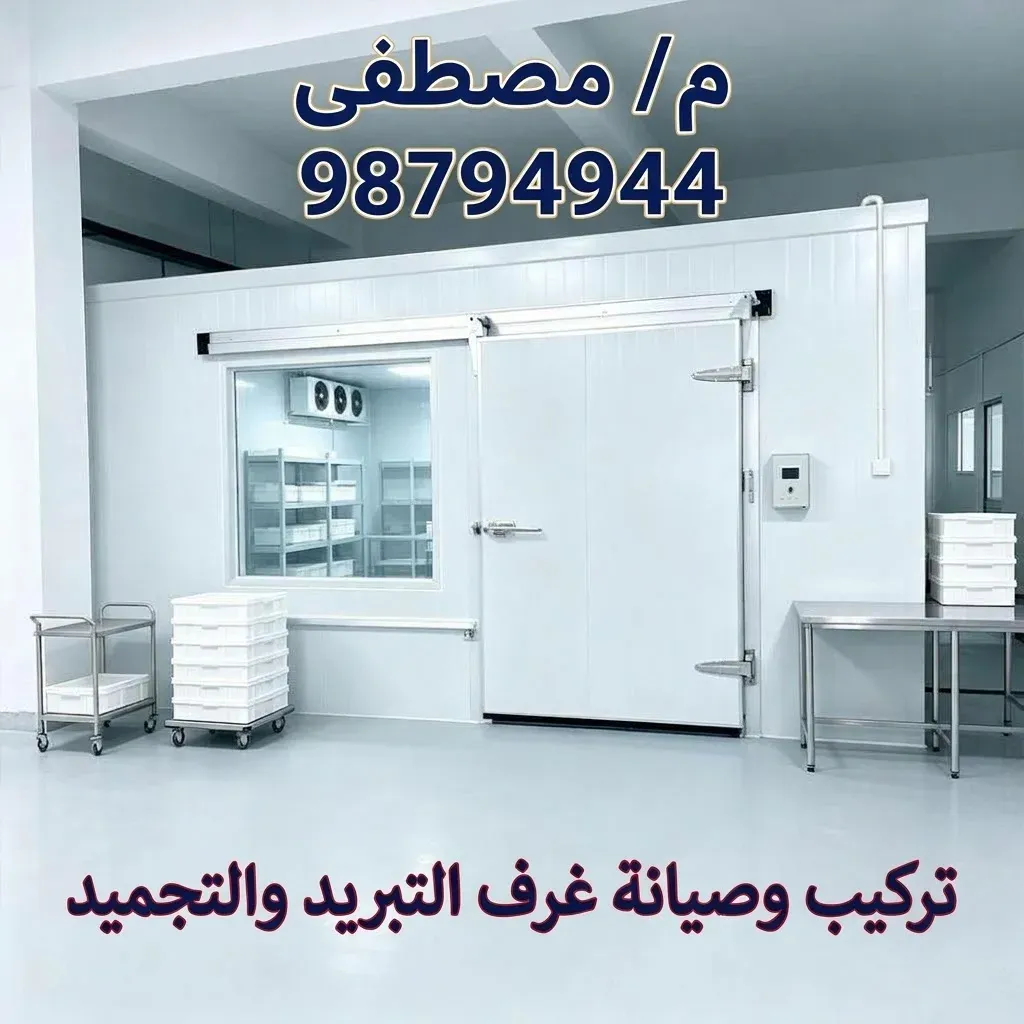
If your shop freezer is running but not freezing, the problem may involve the appliance's ability to absorb heat or release it, or the way cold air is distributed inside the storage compartment.
A shop owner may hear the compressor running and see the interior light working while the products gradually begin to thaw.
It is important to determine whether the compressor is operating continuously without reaching the required temperature or whether the appliance is stopping because of protection or control problems.
Is Low Refrigerant the Main Reason a Freezer Stops Freezing?
Not necessarily. The symptoms of insufficient refrigerant may resemble those of a dirty condenser, weak fans, or other problems.
In a properly sealed system, refrigerant is not normally consumed like materials used in everyday operations.
A loss of refrigerant may indicate a leak that requires repair.
Refrigerant should therefore not be added before the problem has been diagnosed and its cause confirmed.
Can a Dirty Condenser Reduce Freezing Performance?
Yes. Dust accumulation or inadequate ventilation may make it more difficult for the appliance to reject heat.
The problem may become more noticeable during periods of extreme heat in Kuwait.
However, the condenser is not necessarily the only cause, particularly when alarms or problems involving the evaporator or compressor are present.
The surrounding conditions and operation of the complete refrigeration system must therefore be reviewed together.
Can a Compressor Run Even When It Is Defective?
A compressor may operate electrically or mechanically without providing the required performance because of an internal problem or unsuitable operating conditions.
However, running continuously while producing inadequate freezing does not prove that the compressor is damaged.
There may be a problem with refrigerant flow, heat transfer, or controls.
Suitable technical measurements are therefore required before deciding whether the compressor needs repair or replacement.
Can a Faulty Condenser Fan Stop the Freezer From Freezing?
In appliances equipped with condenser fans, inadequate fan operation may affect heat rejection.
Protective devices may activate if operating conditions exceed acceptable limits.
However, condenser cooling methods differ between appliance designs.
The actual components must therefore be checked rather than assuming every freezer has the same fan arrangement.
Does the Evaporator Fan Affect Product Freezing Temperatures?
Yes, in appliances designed to circulate air across an evaporator and throughout the storage compartment.
A weak fan or blocked airflow openings may lead to uneven temperatures between products.
However, some freezers use a cooling method that does not depend on an internal fan in the same way.
The appliance's design must therefore be understood before attributing weak freezing to a fan fault.
Can Temperatures Rise Because Too Many Products Were Loaded?
Introducing large quantities of unfrozen or warmer products may increase the thermal load on the appliance.
The freezer may then require more time to return to its required storage conditions.
However, a storage freezer should not be treated as rapid freezing equipment for large loads unless it is specifically designed for that purpose.
Product receiving temperatures and equipment loading limits must therefore be reviewed.
Does Setting the Thermostat to Its Lowest Temperature Solve the Problem?
No. If the appliance cannot remove enough heat, lowering the setpoint will not correct the underlying fault.
Changing certain technical settings may also create undesirable operating conditions.
The permitted temperature setting should be checked, followed by diagnosis if weak freezing continues.
What Should You Do if Products Start Thawing?
Minimize opening the freezer, and record the temperature reading and the time the problem was discovered.
Then assess the actual condition of the products and arrange transfer to a suitable freezer when necessary.
Do not rely solely on food appearance or smell, and do not assume restarting the freezer restores products to their previous condition.
The facility's food safety procedures must also be followed, particularly when handling meat, poultry, fish, or prepared foods.
When Is Replacing the Freezer Better Than Repairing It?
Replacement may deserve consideration when there are repeated major faults or repair costs are high compared with the appliance's value and condition.
However, repairing a fan, gasket, or sensor may be economically appropriate if the rest of the equipment remains in good condition.
The actual repair cost and availability of replacement parts should therefore be established before making the decision.
If your shop freezer is running but not freezing, do not begin by adding refrigerant or replacing the compressor without an inspection. The problem may involve airflow, the condenser, controls, or the refrigeration circuit.
Ice Cream Display Freezer Repair: How Do You Address Thawing and Weak Freezing?
Ice cream display freezer repair requires particular attention to storage temperatures and stable operation because ice cream quality and texture may deteriorate when thawing or unsuitable temperature increases occur.
The problem may become obvious when containers soften or unusual ice crystals develop because of temperature fluctuations.
However, the safety of every product should not be judged solely by its texture. Storage conditions and product instructions must also be reviewed.
What Are the Most Common Ice Cream Display Freezer Faults?
They may include:
-
Weak freezing inside the display compartment.
-
Compressor shutdown or repeated tripping.
-
Ice accumulation around the lid or glass.
-
Damaged gaskets or inadequate sealing.
-
Poor ventilation around the condensing unit.
-
Thermostat or temperature sensor faults.
-
Failure of a fan, where one is fitted.
-
Condensation or water appearing in unusual locations.
-
Repeated changes in product temperatures.
Each model, however, has its own design and operating method that must be considered.
Does an Ice Cream Freezer Need a Different Temperature From a Meat Freezer?
The storage temperature must follow the ice cream manufacturer's instructions, appliance specifications, and applicable requirements.
Certain products may need stricter conditions to maintain the desired texture and quality.
One temperature should not automatically be applied to every display appliance or product.
The freezer must also be confirmed suitable for the type of ice cream and its intended display arrangement.
Will Ice Cream Return to Its Original Condition After Melting and Refreezing?
Not necessarily. Melting and refreezing may affect the product's structure, texture, and quality.
United States Department of Agriculture guidance recommends discarding softened or melted ice cream for quality reasons in its recommendations for managing food after freezer power interruptions.
For commercial stores, applicable food safety requirements and product instructions must be followed.
Inventory affected by unsuitable temperatures should not automatically be offered for sale simply because it has frozen again.
Can the Glass Lid Cause Weak Freezing?
Performance may be affected if the lid does not close correctly or its gaskets are damaged.
Frequent opening may also allow warm air and moisture to enter.
However, a properly designed glass lid is not inherently a problem.
The important considerations are effective closure, suitability for operating conditions, and compliance with loading limits.
Does Overfilling an Ice Cream Display Freezer Affect Cooling?
It may affect cooling if it exceeds the loading limits or obstructs airflow in appliances that use air circulation.
Products near the lid or opening may also be more exposed to external heat.
The loading levels and markings specified for the appliance must therefore be followed.
Additional containers should not be added at the expense of the operating conditions for which the freezer was designed.
Does Water Leakage Mean the Refrigerant Is Low?
No. Water may appear because of melting ice, condensation, a drainage problem, or an improperly sealed lid.
A reduction in freezing performance may have other causes.
The water source and the appliance's operating condition must therefore be identified before associating the two symptoms.
Water leakage alone is not sufficient evidence of insufficient refrigerant.
Does an Ice Cream Freezer Need Condenser Cleaning?
In appliances with condensers exposed to dust, appropriate cleaning may be part of regular maintenance.
However, manufacturer instructions must be followed, and electrical components and refrigeration pipes must not be handled unsafely.
Some appliances may require specialized service to access the condenser.
Cleaning alone will not repair sensor, compressor, or refrigeration circuit faults.
What Should Be Checked if Ice Cream Softens During the Day?
Air and product temperatures, frequency of lid opening, product loading, and surrounding conditions should be reviewed.
Condenser ventilation and equipment operation must also be checked.
Technical measurements may be needed to confirm the system's capacity under actual operating conditions.
Simply lowering the thermostat setting without identifying the cause is not recommended.
When Should Affected Ice Cream Be Removed From Sale?
If products have been exposed to unsuitable conditions or have begun thawing in a way that affects safety or quality requirements, the facility's procedures for separating and assessing inventory must be followed.
They should not automatically be returned to sale after refreezing.
Information needed to identify affected product batches must also be retained.
If your ice cream display freezer is not freezing properly, protect the inventory first. Then request an inspection of the lid, condenser, controls, and refrigeration circuit before approving repairs.
Commercial Freezer Technician for Sudden Shutdowns: Is the Cause Electrical or Related to Protective Devices?
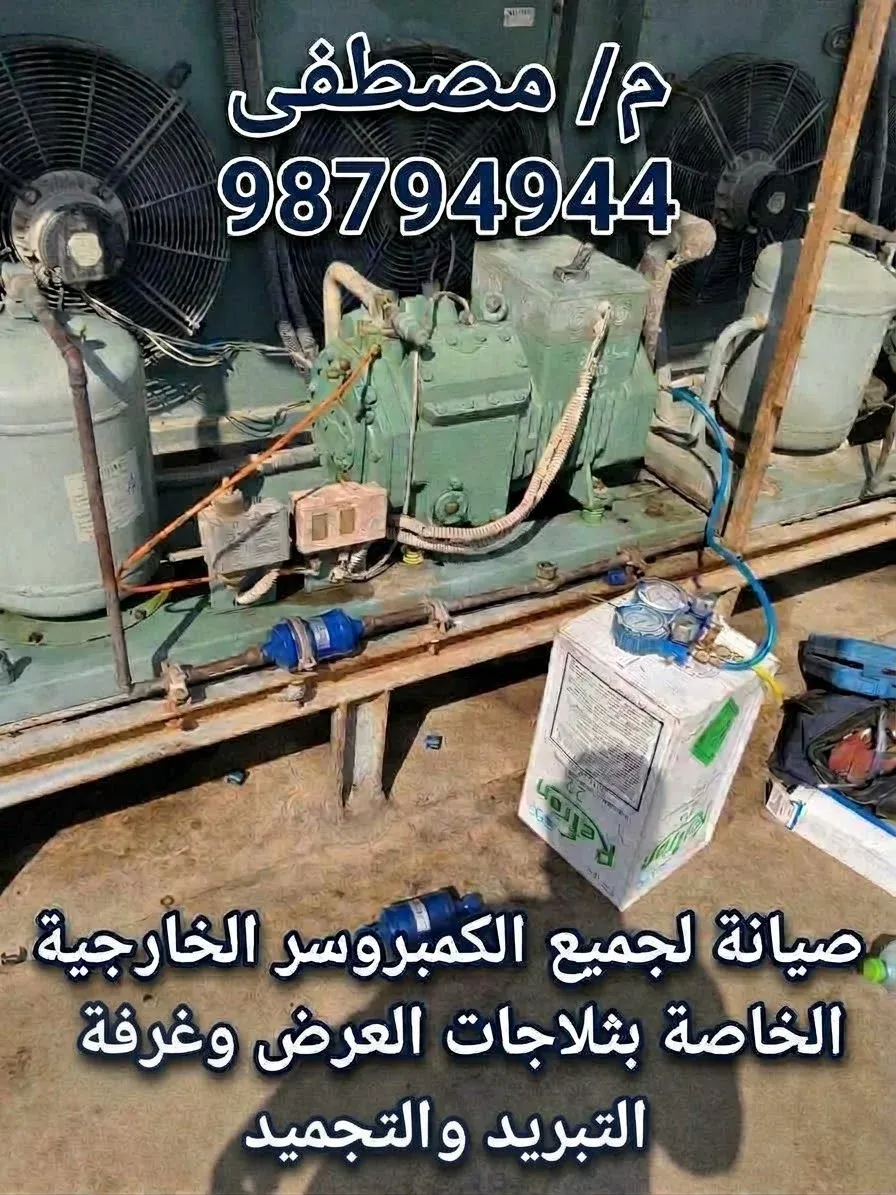
When you need a commercial freezer technician because the appliance suddenly shuts down, the first step is distinguishing between a normal shutdown after reaching the temperature setpoint and an abnormal interruption before freezing is complete or because of an electrical fault.
Some freezers use normal compressor start-and-stop cycles, while certain fans or components may stop during defrosting.
However, if the compressor repeatedly shuts down while product temperatures continue rising, this should not be treated as a normal operating cycle.
Is It Normal for the Compressor to Stop Periodically?
It may be normal when the freezer reaches its required operating temperature and the controller instructs the compressor to stop.
Some systems also use programmed delays to protect components from repeated starting.
However, normal cycling frequency differs according to the model, refrigeration load, and surrounding conditions.
Temperature and operating commands must therefore be reviewed before describing the shutdown as a fault.
What Does It Mean When the Freezer Stops After a Few Minutes?
This may indicate that a protective device has activated or that there is a startup or control problem.
The cause may involve the electrical circuit, pressure conditions, or a compressor starting component.
However, the number of minutes alone is not enough to identify the fault.
Information about temperature, alarms, fan operation, and compressor behavior must therefore be collected while the problem occurs.
Could the Circuit Breaker Be Responsible?
A circuit breaker may trip because of an electrical fault, excessive current, or a power supply problem.
However, it should not be repeatedly reset when the reason for tripping is unknown.
A higher-rated breaker must not be installed, and protective devices must not be bypassed to force the appliance to run.
Inspection must be performed by a qualified electrician following appropriate safety procedures.
Can a Relay or Start Capacitor Cause Shutdowns?
Some compressors use starting components or electrical circuits that differ according to compressor type.
A faulty component may make starting difficult or cause a protective device to activate.
However, not all compressors use the same arrangement.
The appliance's electrical diagram and technical specifications must therefore be reviewed before any component is replaced.
Can High Compressor Temperature Cause It to Shut Down?
Unsuitable operating conditions may cause temperatures to rise or activate protective devices.
The problem may involve the condenser, ventilation, electrical supply, or other components.
However, compressors naturally generate heat during operation, so touching the casing cannot establish whether a fault exists.
The compressor should not be touched or cooled with water.
Can High Pressure Cause the Freezer to Stop?
Unsuitable pressure conditions may activate a protective device in certain refrigeration systems.
Possible causes requiring investigation include condenser performance, ventilation, and airflow.
However, a pressure alarm alone is not enough to determine the cause without reviewing the system.
Pressure protection devices must never be bypassed to restart the compressor.
Can the Thermostat Cause the Compressor to Stop Too Early?
This may happen if the temperature reading is incorrect or there is a problem with the control signal.
However, the controller may be correctly stopping the compressor in response to an operating condition or protective function.
The sensor, settings, and connections must therefore be inspected before the control panel is replaced.
What Is the Difference Between the Entire Freezer Stopping and Refrigeration Alone Stopping?
When the entire freezer stops, the lights and display may switch off, indicating that the electrical supply should be investigated.
If the lights and display continue operating while refrigeration stops, the problem may involve the refrigeration operating circuit, controls, or protective devices.
However, this distinction only helps direct the inspection and is not a final diagnosis.
What Should You Tell the Technician if the Freezer Suddenly Shuts Down?
Explain whether the entire appliance loses power or only the compressor stops, and approximately how long it operates before shutting down.
Also provide the temperature at the time of shutdown and any unusual noises or alarms.
If the circuit breaker is tripping, do not continue resetting it as an experiment.
If your commercial freezer shuts down before reaching the required temperature, request an inspection of protective devices, electricity, controls, and the condenser. Do not approve compressor replacement until the cause has been established.
Repairing Excessive Ice Accumulation in Commercial Freezers: When Is Frost Normal and When Is It a Fault?
Repairing excessive ice accumulation in a commercial freezer requires identifying where the ice forms, how it develops, and which defrost system the appliance uses.
Ice may form around door gaskets because of moisture entering the freezer, accumulate on the evaporator until airflow is restricted, or appear in a freezer designed for manual defrosting.
The presence of some ice is therefore not always a sign of malfunction, but abnormal accumulation or ice affecting freezing performance requires diagnosis.
Is Some Ice Inside a Freezer Normal?
That depends on the freezer type and its operating method.
Some appliances require periodic defrosting according to manufacturer instructions.
However, substantial ice accumulation on doors, evaporators, or airflow openings may indicate an operating problem.
The location, quantity, and frequency of ice formation must therefore be assessed rather than simply noting that ice exists.
Why Does Ice Accumulate Around the Door?
A damaged gasket or poorly sealing lid may allow humid air to enter.
When this air contacts cold surfaces, ice may form in certain areas.
There may also be an obstruction preventing proper closure or a problem with the hinges.
The door and gasket should therefore be reviewed before assuming the refrigeration circuit is defective.
Can Ice Accumulation on the Evaporator Reduce Freezing Performance?
Yes. Excessive ice can obstruct airflow or reduce heat transfer from the compartment to the evaporator.
The compressor may continue running while less cooling reaches the products.
However, ice accumulation may result from faulty defrosting, moisture entering the freezer, or other conditions.
The cause must therefore be identified before replacing a defrost heater or temperature sensor.
Is a Faulty Defrost Heater Always Responsible?
No. Certain appliances use electric defrost heaters, while other designs use different methods.
The problem may involve a sensor, controller, or another component associated with the defrost cycle.
Frequent door opening or poor sealing may also contribute.
The actual defrost arrangement in the appliance model must therefore be reviewed.
Can You Break the Ice With a Knife or Screwdriver?
No. Sharp tools may puncture refrigerant pipes or damage the evaporator.
They may also cause injuries.
Direct heat sources or very hot water must not be used unless the appliance instructions explicitly allow them.
The approved defrost procedure should be followed, or a technician should be requested if the accumulation is abnormal.
Can Blocked Air Vents Cause Ice Accumulation?
Poor airflow may affect temperatures around certain components and the conditions under which ice forms.
Overloading the freezer may also interfere with cold air distribution.
However, moisture, defrosting, and controls may contribute as well.
Product loading, fans, and evaporator condition must therefore be reviewed together.
Will Ice Return After It Has Been Removed?
It may return if the underlying cause remains unresolved.
The door may require repair, a gasket may need replacement, or a defrost component may be defective.
Repeatedly melting the ice without diagnosing the cause is therefore insufficient.
Can Excessive Ice Increase Electricity Consumption?
Excessive ice may interfere with heat transfer and airflow, potentially extending certain operating periods.
However, the effect varies according to the appliance design, refrigeration load, and operating conditions.
One fixed percentage increase cannot be applied to every freezer.
What Is the Best Way to Reduce Excessive Ice Accumulation?
Helpful measures include:
-
Keeping doors properly closed.
-
Avoiding leaving lids open unnecessarily.
-
Inspecting gaskets regularly.
-
Following product loading limits.
-
Keeping airflow paths clear.
-
Using the approved defrost procedures.
-
Reviewing alarms and recurring problems.
-
Requesting an inspection when ice accumulation becomes abnormal.
If ice accumulates rapidly inside your commercial freezer, request an inspection of the door, evaporator, fans, and defrost system rather than repeatedly melting the ice without addressing its cause.
Cost to Repair a Commercial Freezer Leaking Water: Where Does the Water Come From and How Much Does Repair Cost?
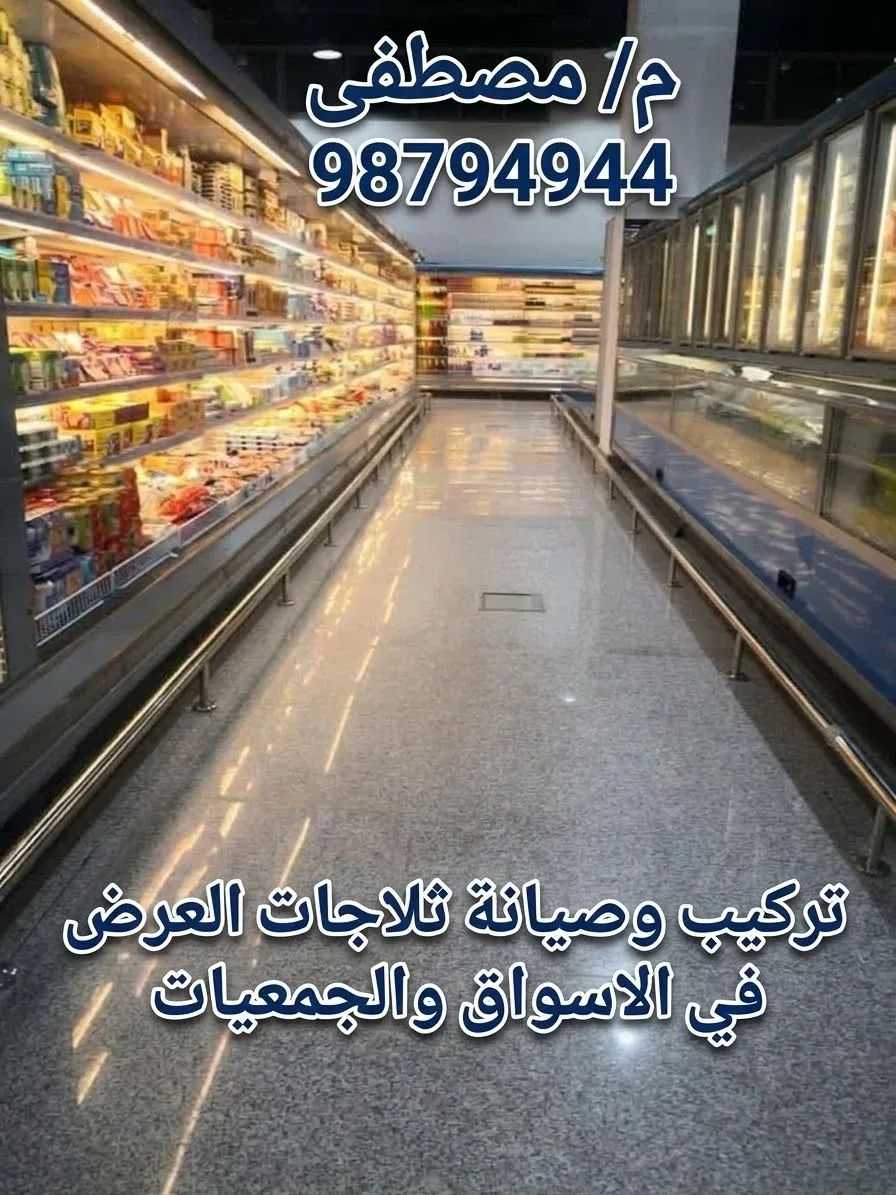
When a shop owner searches for the cost of repairing a commercial freezer that is leaking water, they may have noticed water collecting underneath the appliance, near the door, inside the storage compartment, or around the defrost drainage area.
However, water appearing around the freezer does not always mean the refrigeration circuit is leaking or the refrigerant charge is low.
There is a difference between condensation, melted ice, and refrigerant leakage.
The source of the water must therefore be identified first, followed by an investigation into whether the problem involves drainage, sealing, defrosting, or another fault.
Why Is Water Leaking From Underneath the Commercial Freezer?
Possible causes include a blocked water drainage route in appliances equipped with drainage systems or a problem with the water collection tray.
Water may also escape because of excessive condensation or melting ice that has accumulated abnormally.
A component may have been installed incorrectly, or the collection pan may be damaged.
However, diagnosis depends on the appliance's design and the location where the water appears.
Do All Freezers Have a Drainage Hose?
No. Chest, upright, and display freezers have different designs.
Some appliances contain equipment for draining water produced during defrosting, while others use different arrangements.
The actual components of the model must therefore be reviewed before assuming that a blocked hose is responsible.
Drainage routes should also not be modified in a way that could affect the appliance's safety.
Can a Blocked Drain Cause Significant Water Leakage?
A blocked water drainage route may cause water to collect or escape into areas where it should not appear.
However, the amount of leakage depends on the water produced, the defrosting method, and the collection pan design.
There may also be another problem involving the door gasket or condensation.
The cause should therefore be established before any component is cleaned or replaced.
Can a Damaged Gasket Cause Water Leakage?
A poorly sealing gasket may allow warm, humid air to enter.
This may lead to condensation or ice formation that subsequently melts in certain areas.
However, water appearing near the door does not prove that the gasket is the only cause.
The problem may also involve the closing mechanism, drainage, or surrounding conditions.
Does Melting Ice Mean the Freezer Has Stopped Working?
Not always. Some water may be produced during a normal defrost cycle in appliances designed to perform one.
However, water appearing in unusual locations or quantities may indicate a problem.
The condition should be compared with the model's normal operating method and defrost schedule.
If the products themselves are beginning to thaw, protecting the inventory and checking freezing performance become the priorities.
Can Water Under the Freezer Create an Electrical Hazard?
Water accumulating near electrical connections or components may create a hazard that requires appropriate safety measures.
Employees must not touch wet electrical components or open the appliance to investigate the leak.
If an obvious hazard is present, safe electrical isolation procedures must be followed by an authorized and qualified person.
Slipping hazards around the leaking water must also be addressed.
Can You Clean the Drain Without a Technician?
Some appliances allow user cleaning procedures according to the operating manual.
However, if the drainage route is located inside electrical or mechanical assemblies, or components must be removed, a qualified specialist should be requested.
Wires or sharp tools must not be inserted randomly into drainage pipes.
Chemicals that could damage components or contaminate food areas must also be avoided.
How Much Does Commercial Freezer Water Leak Repair Cost?
Costs depend on the source of the problem and the required work.
The repair may involve cleaning a drainage route or correcting a sealing problem, or it may require replacing a damaged collection pan, hose, or component.
If the water is caused by abnormal ice accumulation, diagnosis of the defrost system, fans, and controls may also be necessary.
The cause must therefore be established before a final repair price can be provided.
Comparison of Water Leakage Causes and Repair Requirements
|
Possible cause |
Work required after diagnosis |
Factors affecting cost |
|
Blocked drainage route |
Cleaning the route and checking water flow |
Blockage location and accessibility |
|
Damaged collection pan |
Suitable repair or replacement |
Collection pan type and availability |
|
Damaged gasket |
Inspecting closure and replacing the gasket when necessary |
Size and installation method |
|
Excessive ice accumulation |
Reviewing fans and defrost operation |
Affected components |
|
Drainage pipe problem |
Inspecting, repairing, or replacing the affected section |
Route length and location |
|
Abnormal condensation |
Reviewing sealing, insulation, and surrounding conditions |
Cause and appliance type |
|
Products thawing because of weak freezing |
Inspecting the complete refrigeration system |
Extent of the fault and replacement parts |
This table does not provide fixed numerical prices because costs vary according to the appliance's condition.
When Should You Request an Immediate Technician Visit Because of Water Leakage?
If water is close to electrical components, leakage occurs alongside a freezing failure, or products are being affected, the situation must be addressed promptly and safely.
Repeated leakage also requires inspection to determine its cause and prevent the problem from returning after cleaning.
Equipment showing signs of an electrical hazard must not be operated before its condition has been assessed.
If your commercial freezer is leaking water, do not automatically request a refrigerant recharge. First establish whether the water is coming from drainage, condensation, or melted ice, then request a repair quotation based on the actual cause.
Requesting an On-Site Commercial Freezer Repair Technician: Service Steps, Prices, and Why Contact Us
When requesting an on-site commercial freezer repair technician, it is better to include a clear description of the appliance and the problem in your call or service request.
The technician needs to know whether the fault affects a chest freezer, upright freezer, or ice cream display unit.
The products inside should also be identified, particularly when meat, poultry, or other frozen food is beginning to experience rising temperatures.
Most importantly, the repair cost should reflect inspection findings, and the work required should be explained before it begins.
Step One: Identify the Freezer Type and Shop Location
Start by mentioning your area in Kuwait and the type of business.
Then explain whether the freezer is a chest, upright, ice cream display, or another frozen product display model.
If several appliances are affected, mention how many.
This information helps clarify the inspection requirements.
Step Two: Describe the Fault Accurately
Explain whether the freezer has stopped working completely, is running without freezing, or repeatedly shuts down.
Also mention excessive ice, water leakage, or unusual noises.
If an alarm appears on the control display, keep a record or photograph of its code.
Do not clear fault histories or change settings before documenting the condition.
Step Three: Record Temperatures and Protect Inventory
Review the temperature displayed by the appliance and any available temperature records.
Then minimize opening the doors and protect the products according to the facility's procedures.
Inventory may need to be transferred to a working freezer if the storage conditions are no longer suitable.
Essential product protection measures must not be delayed until repairs are completed.
Step Four: Arrange the Inspection Appointment and Confirm Visit Fees
Ask about available appointments and whether an additional fee applies for visits outside normal working hours.
Do not assume that every request has a fixed response time.
Inspection fees should also be clarified, including whether they are charged separately from repair work.
An agreement in advance helps prevent misunderstandings about costs.
Step Five: Diagnose the Cause Before Replacing Parts
The inspection may include reviewing electrical systems, controls, the compressor, condenser, evaporator, fans, and gaskets.
Defrosting and drainage may also be examined when the symptoms indicate a related problem.
However, these inspections should not be performed randomly. The technician determines which tests are necessary according to the appliance and its condition.
The objective is to identify the cause of the failure.
Step Six: Provide a Repair Quotation
The quotation should explain:
-
Inspection findings and the possible or confirmed cause.
-
Components requiring repair.
-
Required replacement parts and their specifications.
-
Labor and installation charges.
-
Inspection fees, if applicable.
-
Additional tests that may be necessary.
-
Costs of work not included.
-
Warranty conditions, if available.
Clear approval should preferably be obtained before expensive additional repairs are performed.
Step Seven: Carry Out Repairs According to Appliance Requirements
Appropriate work is performed using suitable safety procedures and components compatible with the refrigeration system.
The repair may involve a fan, sensor, drainage arrangement, electrical problem, or part of the refrigeration circuit.
Other situations may require compressor replacement or another major component after the need has been confirmed.
Protective devices must never be bypassed simply to restart equipment quickly.
Step Eight: Test Freezing Performance After Repairs
The repaired components and the appliance's ability to return to the required temperature must be checked.
Some cases may need monitoring over a suitable period to confirm stable operation.
The compressor running or an alarm disappearing is not sufficient.
Products must also not be returned to the appliance until it is suitable for receiving them under the required storage conditions.
Step Nine: Explain Preventive Maintenance Requirements
Recommendations may include monitoring condenser cleanliness, inspecting gaskets, keeping airflow routes clear, and reviewing alarms.
The model-specific defrosting and cleaning instructions must also be followed.
These measures may help identify certain problems before they have a greater effect on inventory.
However, regular maintenance cannot guarantee the complete prevention of breakdowns.
Step Ten: Contact Cold Room and Display Refrigerator Maintenance
The official Cold Room and Display Refrigerator Maintenance website describes maintenance services for commercial display refrigerators and related refrigeration equipment, along with freezer room and compressor maintenance.
It also describes a service process involving receiving the fault description, coordinating an inspection appointment, diagnosing the condition, explaining and obtaining approval for proposed work, performing the service, and checking operation according to equipment type.
You can send the details of your appliance to inquire whether the particular freezer model is covered by the available services, especially because commercial freezer designs vary between manufacturers.
Why Contact Us When Your Commercial Freezer Breaks Down?
Contacting a service provider specializing in commercial refrigeration allows you to discuss the fault in relation to the appliance type and your business requirements rather than choosing repairs at random.
The company's official website describes the following service procedures:
-
Receiving fault descriptions and equipment information.
-
Coordinating inspections at the location.
-
Diagnosing the problem before approving work.
-
Explaining the proposed repair to the customer.
-
Checking operation after service completion.
-
Serving commercial facilities such as restaurants and supermarkets.
-
Listing service coverage across Kuwait's six governorates.
These are the procedures described on the website. They should not be treated as a guarantee of immediate arrival, completion of every repair in one visit, or availability of all replacement parts without direct confirmation.
What Criteria Should You Use to Compare Commercial Freezer Repair Providers?
|
Comparison criterion |
Benefit for a restaurant or grocery store owner |
|
Identifying the freezer type and model |
Helps select appropriate diagnostic methods |
|
Diagnosing the cause before replacing parts |
Reduces the risk of unnecessary spending |
|
Reviewing electrical systems and protective devices |
Helps avoid operating unsafe equipment |
|
Inspecting fans, condensers, and evaporators |
Identifies airflow and heat transfer problems |
|
Proper handling of refrigerants |
Supports suitable refrigeration circuit repairs |
|
Providing a clear quotation |
Explains parts and labor charges before approval |
|
Using compatible components |
Reduces problems caused by unsuitable replacements |
|
Considering inventory safety |
Supports product protection during a breakdown |
|
Testing operation after repairs |
Helps verify the maintenance results |
|
Explaining warranty and maintenance terms |
Clarifies responsibilities after service |
These are useful selection criteria, not a guarantee that every item is included automatically in every visit.
How Much Does Commercial Freezer Repair Cost in Kuwait?
There is no single repair price that can reliably be applied to every commercial freezer.
One fault may require correcting a door gasket or performing appropriate cleaning, while another requires replacing a fan, sensor, control panel, or compressor.
Prices also vary according to appliance type, replacement part availability, installation work, testing, and visit charges.
It is therefore better to request the inspection fee first, followed by a repair quotation detailing the final cost after diagnosis.
Is On-Site Repair Better Than Transporting the Freezer to a Workshop?
On-site maintenance may be appropriate for large appliances or equipment installed permanently inside a shop, particularly when transporting it would be difficult.
However, certain repairs may require equipment or service conditions unavailable at the business location.
The decision therefore depends on the fault, appliance size, and safety requirements.
Freezers must not be moved, tilted, or disconnected from their installations without following appropriate procedures.
Can the Repair Price Be Determined From an Appliance Photograph?
A photograph may help identify the freezer type and certain model details, but it cannot establish the cause of weak freezing by itself.
Fan, compressor, control, and ventilation faults may produce similar symptoms.
Photographs are therefore useful for identifying the appliance and describing the problem, while the scope of repair is determined through suitable inspection.
How Can You Request a Commercial Freezer Repair Technician in Kuwait?
You can visit the Cold Room and Display Refrigerator Maintenance website and submit a request describing the freezer type, business location, and fault.
The website also lists the contact number 98794944, together with other communication and service request methods.
It is better to provide the current temperature, type of inventory, and time the problem was discovered, then ask whether the appliance can be inspected, what the inspection costs, and the earliest available appointment.
If your commercial freezer is not freezing, suddenly stops, or leaks water, request an inspection that identifies the cause and repair cost before approving replacement parts. This helps ensure that the repair is appropriate for your appliance and business.
Frequently Asked Questions About Commercial Freezer Repair in Kuwait
How Much Does Commercial Freezer Repair Cost in Kuwait?
Costs depend on the freezer type, whether it is a chest freezer, upright freezer, or ice cream display unit, as well as the fault, replacement parts, and technician labor charges.
The appliance may need cleaning, fan repair, or sensor replacement, while some faults require compressor replacement or refrigeration circuit repairs.
Inspection fees should therefore be confirmed, and a clear quotation should be requested after diagnosis.
Why Is My Shop Freezer Running but Not Freezing?
Possible causes include a dirty condenser, inadequate ventilation, a stopped evaporator fan in appliances that use one, damaged door gaskets, excessive ice accumulation, sensor faults, or refrigeration circuit problems.
The compressor may also be running without providing the required cooling capacity.
The correct cause cannot be identified from operating sounds alone. Inspection is therefore recommended before replacing parts or adding refrigerant.
Does Ice Accumulation in a Commercial Freezer Mean the Refrigerant Is Low?
Not necessarily. Ice may accumulate because of poor door sealing, moisture entering the appliance, a defrost system fault, or inadequate airflow.
Other causes may also exist depending on the freezer's design.
Ice accumulation should therefore not be treated as proof of insufficient refrigerant or a damaged defrost heater without inspecting the components and operating conditions.
Can a Commercial Freezer That Suddenly Shuts Down Be Repaired Without Replacing the Compressor?
Yes. The cause may involve the electrical circuit, sensors, control panel, protective devices, or compressor starting components.
Condenser and ventilation conditions may also affect certain refrigeration systems.
However, deciding on the repair requires appropriate inspection. The freezer should not be repeatedly restarted, and protective devices must not be bypassed when the shutdown cause is unknown.
What Should I Do if My Restaurant Freezer Breaks Down and the Meat Starts Thawing?
Keep the door closed as much as possible and record the temperature and the time the breakdown was discovered.
Review actual product temperatures and storage records. Transfer the inventory to a suitable working freezer if necessary.
Do not rely solely on smell or appearance to judge product safety, and do not automatically refreeze products for sale without assessment under the applicable requirements.
Then request a technical inspection to identify the cause of the freezing failure.
Conclusion: Commercial Freezer Repair in Kuwait Begins With the Right Diagnosis
If you operate a restaurant, grocery store, supermarket, or ice cream shop in Kuwait, commercial freezer repair in Kuwait requires identifying the underlying problem before approving replacement parts.
This is particularly important when the appliance is responsible for storing meat, poultry, or frozen foods that may be affected by rising temperatures.
The fault may involve the compressor, fans, condenser, thermostat, sensors, or a protective device.
It may also be caused by a simpler issue, such as a damaged door gasket, inadequate ventilation, or products stacked in a way that blocks airflow.
Throughout this guide, we have explained the main problems affecting commercial chest and upright freezers, the reasons for weak freezing despite continuous operation, sudden shutdowns, excessive ice accumulation, and water leakage.
We have also discussed faults that may affect ice cream display freezers.
In addition, we have explained that repair costs vary according to appliance type, model, required replacement parts, labor charges, and accessibility.
An accurate repair price cannot reliably be determined from a description such as "the freezer is not freezing" alone.
It is also essential to distinguish between repairing the equipment and protecting the inventory.
A technician may successfully restore freezer operation, but that does not automatically mean products exposed to thawing conditions are safe for sale or consumption.
Temperatures must therefore be monitored, breakdowns documented, and applicable food safety procedures followed.
Suitable alternative storage should also be available when necessary.
When comparing maintenance providers, focus on the clarity of diagnosis and pricing, compatibility of replacement parts, safe working procedures, and the method used to test the freezer after repairs.
Do not choose the lowest price without understanding what the service includes.
Is Your Shop Freezer Running but Not Freezing? Does Your Upright Freezer Suddenly Stop? Or Is Your Ice Cream Display Freezer Allowing Products to Thaw?
Contact Cold Room and Display Refrigerator Maintenance at 98794944 or through the official website.
Provide the freezer type, shop location, temperature reading, and fault description, then inquire about the available inspection appointment, services, and costs.
Do not wait until your inventory is affected, and do not approve compressor replacement or refrigerant recharging before diagnosis.
An organized technical inspection helps you understand the cause of the problem, choose the appropriate repair, confirm costs before work begins, and restore commercial freezer operation under the required storage conditions.