Annual Cold Room Maintenance in Kuwait: Costs and Coverage
·
Annual Cold Room Maintenance Contracts in Kuwait: What Do They Include and How Much Do They Cost?
If you manage a restaurant, restaurant chain, or food warehouse in Kuwait, an unexpected cold room breakdown may create a much bigger problem than the cost of repairing a compressor or fan. Large quantities of meat, dairy products, vegetables, and other foods requiring specific storage conditions may be affected.
This is why an annual cold room maintenance contract in Kuwait is worth considering for businesses that depend on refrigeration equipment every day and want to organize inspection and maintenance activities instead of waiting for breakdowns.
Direct answer: An annual maintenance contract is an agreement that specifies the number of preventive maintenance visits during the year, the equipment covered, cleaning and inspection procedures, measurements and testing, emergency breakdown arrangements, labor and spare parts charges, response conditions, and warranty terms.
The price depends on the number of cold rooms, their capacity and condition, location, visit frequency, and level of coverage. There is no single reliable fixed annual price suitable for every business.
It is important to distinguish between a preventive maintenance contract, which focuses on the early detection of potential problems, and a comprehensive maintenance contract, which may include repairs, replacement parts, or emergency visits according to the agreed terms.
Simply describing a contract as "comprehensive" does not guarantee that compressors, evaporators, refrigerant, and emergency labor charges are included in the price.
Technical preventive maintenance procedures may include inspecting condensers, evaporators, fans, controls, temperatures, doors, and drainage systems, along with carrying out necessary tests according to the refrigeration system type.
Commercial refrigeration maintenance guidance recommends distributing inspections across daily and weekly monitoring and specialized periodic visits rather than relying on a single annual inspection.
In this guide from Cold Room and Display Refrigerator Maintenance, we explain annual maintenance contract prices and the factors affecting them, coverage terms and exclusions, suitable visit frequencies, and the differences between maintaining cold rooms and freezer rooms.
We also explain how to compare service providers' quotations and protect your business interests before signing a contract.
Annual Cold Room Maintenance Contract in Kuwait: What Does It Include and How Does It Benefit Restaurants?
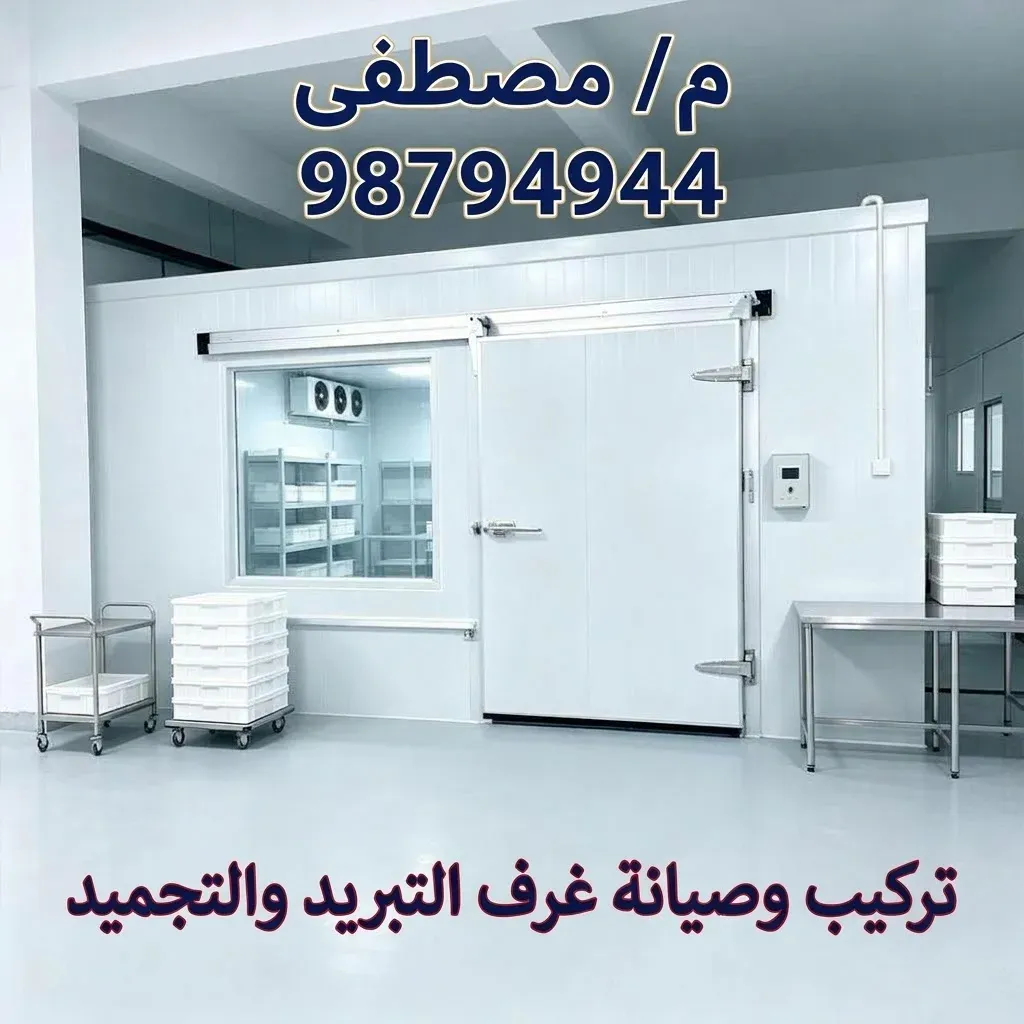
When considering an annual cold room maintenance contract in Kuwait, it is important to understand that its main purpose is to organize equipment monitoring through a planned maintenance program, not simply to obtain a discount when something breaks down.
A cold room may continue operating even when the condenser is dirty, a door gasket is partially damaged, or one of the fans is performing poorly.
These problems may gradually develop until they affect product storage temperatures or cause the system to stop working.
Preventive maintenance visits can therefore help evaluate equipment condition and identify necessary work before certain faults become more serious. However, they cannot guarantee that unexpected breakdowns will never occur.
What Is an Annual Cold Room Maintenance Contract?
It is an agreement between a business and a maintenance provider for a defined period, commonly one year, specifying the equipment covered, scheduled work, number of visits, and visit dates.
It also establishes how breakdown reports, additional repairs, and charges for services not included in the agreement will be handled.
The contract may cover preventive visits only or include other services agreed upon separately.
It should not be considered an unlimited warranty covering every cold room component unless the terms explicitly provide that coverage.
What Is the Difference Between an Annual Contract and Calling a Technician When a Breakdown Occurs?
With on-demand maintenance, the business contacts a technician after a problem appears or refrigeration equipment stops operating.
An annual contract, however, schedules inspections and checks in advance.
This may help identify signs of reduced ventilation, door problems, or differences in temperature sensor readings.
However, emergency response speed depends on the contract conditions and service availability. It is not automatically included in every maintenance subscription.
Which Equipment Can Be Included in the Contract?
Depending on the project, coverage may be agreed for:
-
Restaurant cold rooms.
-
Cold storage rooms in warehouses and supermarkets.
-
Commercial freezer rooms.
-
Outdoor condensing units.
-
Compressors and their operating components.
-
Evaporators and air circulation fans.
-
Control panels and temperature sensors.
-
Defrosting and drainage equipment.
-
Cold room doors and sealing gaskets.
-
Certain centralized refrigeration systems serving multiple units.
-
Display refrigerators associated with the business, if explicitly listed.
However, equipment being present at the site does not automatically make it covered. Every included unit should appear on a clear equipment schedule attached to the contract.
Does Maintenance Include Cleaning the Condenser and Evaporator?
The contract may cover checking the cleanliness of condensers and evaporators and cleaning them when necessary using procedures appropriate for the equipment.
A dirty condenser may reduce the system's ability to reject heat, while excessive ice or dirt may cause problems with heat transfer and airflow inside the cold room.
However, the extent of cleaning varies according to equipment design, accessibility, and safety requirements.
The agreement should therefore clarify whether cleaning is included in each visit or charged as an additional service.
Does the Contract Include Compressor Inspections?
The contract should preferably specify compressor inspection procedures according to the refrigeration system type.
These may include checking operating sounds, vibration, electrical current, pressure conditions, and oil in systems where oil monitoring is applicable.
However, inspecting a compressor does not mean disassembling it or repairing its internal components during every visit.
Replacing the compressor entirely is usually a separate item that must be explicitly included if its cost is to be covered.
Are Cold Room Temperatures Checked During Maintenance?
Checking temperature readings and alarms is one of the most important monitoring activities.
The technician may need to compare the control display reading with suitable measurements and verify the system's response.
However, measuring cold room air temperature does not replace the business's procedures for monitoring product temperatures and food storage safety.
The technician's responsibility for the equipment and the employees' responsibility for monitoring stored products should therefore be clearly distinguished.
Does Preventive Maintenance Protect Inventory From Spoilage?
It may reduce certain risks associated with undetected equipment problems, but it cannot guarantee product safety under every circumstance.
An electrical problem or unexpected shutdown may occur between visits, or products may be exposed to unsuitable temperatures during delivery or handling.
The business therefore needs temperature monitoring, a plan for responding to alarms, and suitable alternative storage when necessary.
A maintenance contract should not be treated as a substitute for food safety procedures.
Is an Annual Contract Suitable for a Newly Installed Cold Room?
Yes. A preventive maintenance agreement may be considered from the beginning of a new cold room's operation, particularly when the business relies on it every day.
However, the installation and equipment warranties should be reviewed to avoid overlapping responsibilities between the installation contractor and maintenance provider.
The inspections required during the initial operating period may also differ from those needed for equipment that has been operating for several years.
Equipment condition and identification details must therefore be established before preparing the visit schedule.
What Documents Should You Prepare Before Subscribing?
It is preferable to prepare:
-
Number of cold rooms and freezer rooms.
-
Addresses of the business locations.
-
Models of condensing units and compressors.
-
Evaporator and control panel types.
-
Required operating temperatures.
-
Equipment installation dates, if known.
-
Repeated breakdowns during previous periods.
-
Available maintenance records.
-
Business operating hours.
-
Access requirements for equipment areas.
-
Contact information for the maintenance manager or site supervisor.
If your business depends on cold rooms every day, an annual contract can help turn equipment maintenance into an organized plan, provided that visits, work requirements, and coverage are clearly specified in writing.
Cold Room Maintenance Contract Prices in Kuwait: How Much Do They Cost and What Affects the Price?
When researching cold room maintenance contract prices, you may find differences between quotations covering a similar number of rooms because pricing depends on more than room count.
A small cold room with an independent refrigeration unit may require a different maintenance program from a large room connected to a centralized system.
Potential faults and inspection requirements also differ between newly installed and older equipment.
Direct answer: The cost of an annual maintenance contract is determined by the quantity, size, and condition of the equipment, visit frequency, included services, travel between branches, and emergency coverage, labor, and spare parts conditions.
A specific price in Kuwaiti dinars cannot be provided reliably without an inspection or equipment inventory and a clearly defined scope of coverage.
Is the Contract Priced Separately for Each Cold Room?
Some providers may calculate a price per room, while others offer one total price for several cold rooms at the same location.
For larger projects, costs may be determined according to the number of condensing units, evaporators, and compressors rather than the number of rooms alone.
One refrigeration system may serve several areas, or one cold room may contain multiple pieces of equipment.
The method used to count and price equipment should therefore be explained in the quotation.
Is a Large Cold Room More Expensive to Maintain Than a Small One?
It may be more expensive when it contains larger equipment, several evaporators, or components requiring longer inspection times.
However, room size alone does not determine maintenance costs.
A smaller room may have a more complex refrigeration system or operate under freezing conditions that require different procedures.
The actual number, type, and condition of components must therefore be compared.
Does the Number of Visits Affect the Contract Price?
Yes. A contract that includes more scheduled visits may involve additional labor, travel, and testing.
However, additional visits do not automatically provide better service if the work performed during them is not clearly defined.
What matters is specifying the tasks required during each visit, the results to be documented, and how identified problems will be followed up.
Visit frequency should also reflect the risks of equipment failure and the nature of the refrigeration system.
Is a Comprehensive Contract More Expensive Than a Preventive Maintenance Contract?
It may cost more if it includes corrective labor, emergency callouts, or specified spare parts.
However, the word "comprehensive" is not enough to compare the contracts.
A comprehensive agreement may still exclude compressors, refrigerant, and certain expensive components.
Financial limits and exclusions must therefore be reviewed before deciding which quotation offers better value.
Does Older Equipment Increase Subscription Costs?
Previous breakdowns, wear, and spare parts availability may affect prices or acceptance conditions.
The maintenance provider may also require certain existing problems to be repaired before preventive coverage begins.
This helps distinguish pre-existing faults from the services to be provided during the contract year.
The actual condition of the equipment should not be concealed when requesting a quotation.
Does the Contract Price Include Spare Parts?
That depends on the agreement.
One contract may cover inspection, cleaning, and adjustment only, while replacement parts are charged separately.
Another may include specified types of components or impose a financial limit on parts coverage.
The treatment of fans, sensors, contactors, compressors, and other components should therefore be clearly defined.
Are Emergency Visits Included in the Price?
Some contracts may include a specified number of emergency visits or particular response arrangements.
Under other agreements, emergency callouts incur separate charges, or labor rates vary outside normal working hours.
It is important to establish whether the price covers attendance and diagnosis only or also includes repair labor.
Twenty-four-hour availability should not be assumed unless expressly stated.
Can Restaurant Chains With Multiple Branches Receive Different Pricing?
Managing several branches under one agreement may help organize appointments, invoices, and maintenance reports.
However, branches located far apart may increase travel and service costs.
Equipment may also differ between locations.
It may therefore be useful to prepare a separate equipment inventory for each branch and obtain a clear overall quotation for the group.
Which Pricing Items Should You Compare?
|
Pricing factor |
Why it affects the cost |
What should you confirm? |
|
Number of cold rooms |
Determines the equipment scope |
Are all rooms included? |
|
Number of condensing units |
Affects inspection requirements |
Are outdoor units covered? |
|
Equipment condition |
May require preliminary repairs |
Are existing faults excluded? |
|
Number of visits |
Affects labor and travel |
How many visits per year? |
|
Cleaning work |
Varies by location and component |
Is cleaning included? |
|
Corrective labor |
May require additional working hours |
Is it charged separately? |
|
Spare parts |
Vary in price and availability |
Which parts are included? |
|
Emergency services |
Depend on coverage level |
What are the attendance and response charges? |
|
Multiple branches |
Increases the number of service locations |
Is travel included? |
|
Reports and testing |
Determines the level of documentation |
What will you receive after each visit? |
Can You Get a Quotation From Photographs?
Photographs and model numbers may help prepare an initial quotation, but they do not reveal every problem or operating condition.
Sensor faults, protective device problems, or refrigeration piping issues may require inspection.
The company may therefore need to visit the site or review previous service records before issuing a final price.
If you are comparing cold room maintenance contract prices in Kuwait, request a written comparison covering visit frequency, equipment, spare parts, and emergency services. The lowest annual price is not necessarily the lowest overall cost for your business.
Preventive Maintenance Contract for Freezer Rooms: What Additional Inspections Are Required?
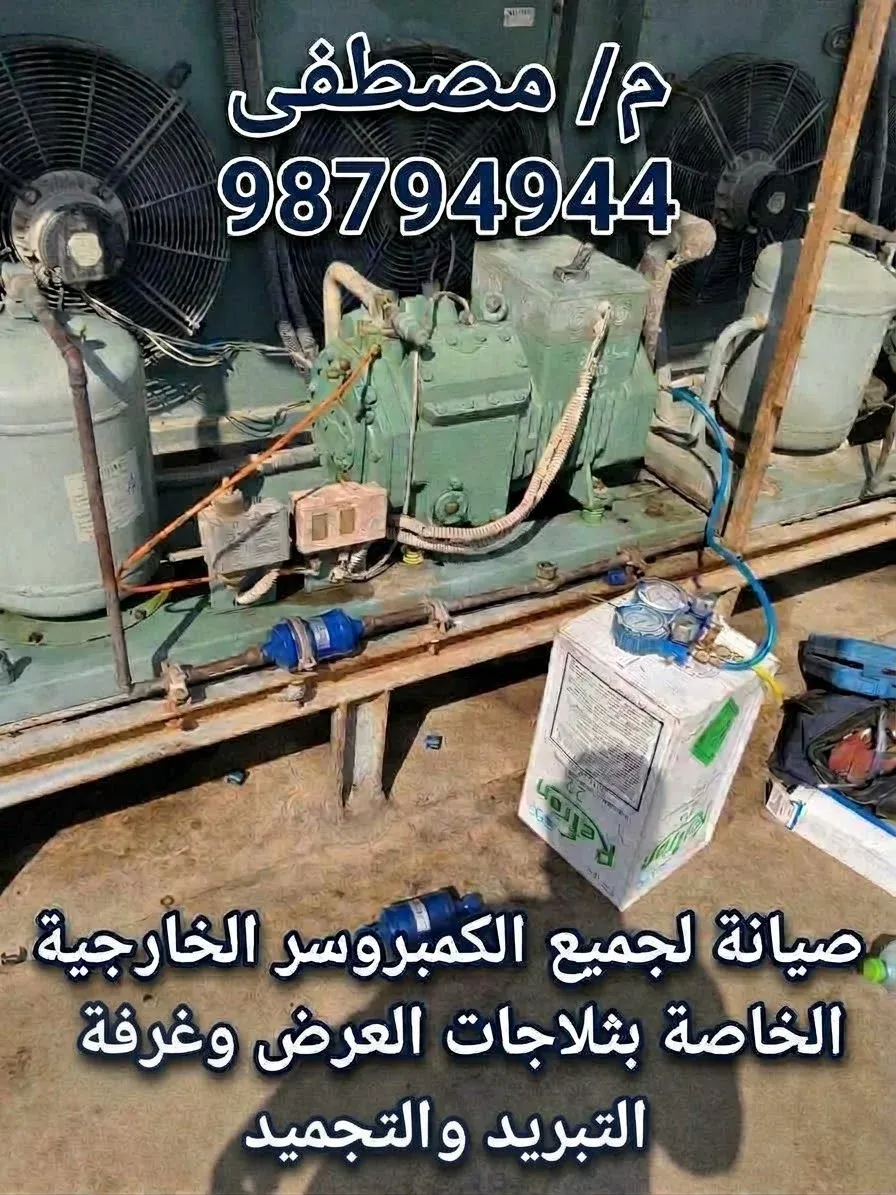
A preventive maintenance contract for freezer rooms must account for operating conditions that differ from those of ordinary chilled storage rooms.
Low temperatures affect ice formation, defrosting, doors, evaporators, and drainage systems.
A business may depend on its freezer room to store frozen meat, poultry, and fish. A temperature increase or equipment shutdown may therefore require an urgent response to protect inventory.
The contract should include inspections appropriate for the actual freezing system rather than simply repeating a general cold room inspection checklist.
Do Freezer Rooms Need More Maintenance Visits?
Some freezer rooms may require more frequent visits depending on operating hours, product loads, door-opening frequency, and equipment condition.
However, there is no single visit frequency suitable for every freezer room.
A new freezer room used relatively infrequently may have different maintenance needs from a busy frozen food warehouse receiving daily deliveries.
The schedule should therefore be selected after assessing risks, manufacturer recommendations, and breakdown history.
Is Defrost System Inspection an Essential Contract Item?
The defrost system deserves particular attention in freezer rooms that use one because ice accumulating on the evaporator may obstruct airflow and reduce heat transfer.
Inspection may include checking sensors, heaters, timing, and drainage according to the system design.
However, defrost systems differ between appliances, and not all contain the same components.
The functions to be inspected must therefore be identified according to the evaporator and controller models.
Are Door Heaters Inspected?
Some freezer rooms contain equipment designed to reduce ice accumulation around doors and door frames.
Where such equipment is installed, its inspection should be addressed in the maintenance agreement.
A fault may make the door difficult to open or close or cause excessive ice formation.
However, these components are not present in every freezer room, so they should be included according to the equipment actually installed.
Are Door Gaskets Important in Freezer Rooms?
Yes. Poor sealing allows warmer, more humid air to enter, potentially increasing refrigeration loads and contributing to ice accumulation.
Door hinges and closing mechanisms may also deteriorate with frequent use.
Inspection should therefore cover door closure, visible components, and signs of gaps or damage.
However, the cost of replacing gaskets or hinges must be explicitly addressed in the contract.
Does Maintenance Include Inspecting the Freezer Room Floor?
The agreement may include visual checks for abnormal conditions affecting the floor, doors, or insulation.
However, repairing structural flooring problems or systems designed to prevent freezing beneath the floor may fall outside ordinary mechanical refrigeration maintenance.
Responsibilities must therefore be clearly defined.
An annual refrigeration maintenance agreement should not automatically be assumed to include building work, insulation repairs, or flooring construction.
Does Maintenance Include Fan and Evaporator Inspections?
The contract should preferably include checks of evaporator fan operation, blade condition, vibration, and ice accumulation.
It is also important to confirm that products or shelving do not obstruct airflow.
Some activities may require equipment shutdown or special arrangements for safe access.
Specialized preventive maintenance checklists emphasize inspecting evaporators, fans, drainage, defrosting equipment, and door components in freezer rooms.
Is the Outdoor Compressor Inspected?
The contract may cover checks of operating conditions, electrical current, unusual noises, vibration, pressure conditions, and protective devices, depending on the unit type.
Some compressors may also require oil level checks or inspection of associated equipment.
However, compressor inspection should not be interpreted as preventive replacement of internal components.
Additional repairs must be identified and priced if they are not included in the agreement.
Does the Contract Include Refrigerant?
This should not be assumed.
In a properly functioning system, refrigerant is not normally something that must be added routinely without a reason.
If refrigerant has been lost, possible leakage must be diagnosed and addressed using appropriate technical procedures.
The contract should therefore distinguish between circuit inspections, leak detection, leak repairs, and refrigerant recharging costs.
What Should a Freezer Room Inspection Checklist Include?
It may cover:
-
Reviewing temperature records.
-
Testing available alarm functions.
-
Inspecting the compressor and condensing unit.
-
Checking condenser cleanliness and ventilation.
-
Reviewing evaporator fan operation.
-
Monitoring abnormal ice formation.
-
Inspecting the defrost cycle.
-
Checking door heaters and drainage where fitted.
-
Inspecting door gaskets and hinges.
-
Reviewing control connections and protective devices.
-
Observing visible insulation damage.
-
Recording measurements and findings.
Does the Contract Guarantee That Products Will Never Thaw?
No. Electrical outages or unexpected breakdowns may occur between scheduled visits.
The business must therefore maintain suitable alarm, monitoring, and alternative storage arrangements according to the products involved.
Employees' responsibilities for monitoring product temperatures and reporting increases must also be defined.
If you rely on a freezer room to store substantial inventory, request a contract covering defrosting, doors, fans, and controls, together with clear arrangements for urgent breakdown reports and temperature monitoring.
Cold Room Maintenance Subscription for Restaurants: How Do You Choose the Right Plan for Your Branches?
When selecting a cold room maintenance subscription for restaurants, kitchen operating hours, product types, and delivery and preparation schedules must be considered.
A cold room in a busy restaurant may experience different refrigeration loads from a storage facility whose door is opened only occasionally.
Restaurant chains may also operate different equipment models across their branches and need a clear system for reporting faults and coordinating inspections without unnecessarily disrupting daily operations.
The maintenance plan must therefore reflect the restaurant's actual working conditions rather than simply offering a predefined number of visits each year.
Why Do Restaurants Need Organized Periodic Maintenance?
Restaurant cold rooms often operate for long hours, and their doors may be opened repeatedly to receive supplies and retrieve ingredients.
Dirt may accumulate around certain condensers, while gaskets and hinges may deteriorate through frequent use.
Drainage and fan problems may also develop and gradually affect performance.
Organized maintenance helps monitor these conditions before some of them develop into more serious equipment faults.
Does the Contract Include Meat, Vegetable, and Dairy Cold Rooms?
Coverage can be agreed for every room or limited to selected units.
However, storage temperatures and food handling requirements differ between products.
Each room, its operating temperature, and its components should therefore be recorded in the equipment schedule.
All rooms should not be grouped under one general description without identifying their individual requirements.
Can Maintenance Visits Be Scheduled Outside Peak Business Hours?
Suitable appointment times may be negotiated according to the restaurant's operating schedule, but availability depends on the service provider and contract.
Some inspections can be completed without stopping refrigeration, while other work requires shutdown or access to the evaporator.
It is therefore important to establish whether a visit will affect kitchen operations and arrange alternative product storage when necessary.
No maintenance visit should automatically be assumed to involve absolutely no interruption.
Does the Subscription Include Cleaning Inside Cold Rooms?
A distinction must be made between daily hygienic cleaning of the room and its surfaces and technical cleaning and inspection of refrigeration components.
Cleaning floors and shelving may be the responsibility of the restaurant's employees, while a technician checks condensers, evaporators, and drainage systems.
Some contracts may include specified cleaning activities by agreement.
These responsibilities must be clearly defined so that certain areas are not neglected because of misunderstandings.
Is a Maintenance Contract Suitable for a Restaurant With Only One Cold Room?
Yes. A preventive agreement may be worth considering even when a restaurant relies on just one cold room.
However, subscription costs should be compared with separate service visit charges, equipment condition, and the risks associated with a breakdown.
Two or more visits annually may be suitable for some installations, while other cold rooms require more frequent checks.
The plan should be determined according to operating conditions and risks rather than room count alone.
Do Restaurant Chains Need a Single Maintenance Contract?
A unified agreement may help manage several branches because it can standardize reports and support the tracking of faults and visit dates.
However, each branch should have a separate appendix listing equipment, its maintenance schedule, and site access requirements.
It must also be established whether travel and emergency service costs are consistent across branches or vary by location.
The contract should not rely solely on the chain's total number of cold rooms without identifying the equipment at each location.
What Is the Restaurant Manager's Role During Maintenance?
It is important to assign someone to monitor appointment dates, receive reports, and record breakdown requests.
The technician should also coordinate with this person when equipment must be stopped or products need to be transferred.
Recording recurring faults may help identify cold rooms needing additional attention.
However, the restaurant manager should not be expected to carry out electrical tests or work on refrigeration circuits.
Can Display Refrigerators Be Included With Cold Rooms?
This may be possible if the service provider maintains the relevant equipment and agrees to include it.
Combining services may help organize maintenance appointments for refrigeration equipment at the same location.
However, each display refrigerator, freezer, or condensing unit must be explicitly listed.
Repair procedures, replacement parts, and labor costs may differ between appliances.
Which Terms Are Important for a Restaurant Operating Throughout the Day?
Important considerations include:
-
Number of visits during the contract year.
-
Availability of appointments outside peak hours.
-
Procedure for receiving breakdown reports.
-
Agreed response time, if applicable.
-
Emergency visit charges.
-
Responsibility for transferring products during shutdown.
-
Alarm and control inspections.
-
Checks of doors, drainage, and fans.
-
Reports after each visit.
-
Procedures for approving additional repairs.
-
Spare parts and warranty terms.
-
Follow-up arrangements for unresolved findings.
If you operate a restaurant or several branches, choose a maintenance subscription suited to operating hours and product movement, with a documented visit schedule and clearly defined coverage for every room and location.
Cold Storage Maintenance Contract Company: How Do You Choose a Suitable Provider and Protect Your Inventory?
Choosing a cold storage maintenance contract company requires more than simply comparing subscription prices, particularly when a warehouse operates several refrigeration units or a centralized system serving multiple areas.
A problem with shared equipment may affect more than one cold room, and maintenance must sometimes be coordinated to preserve operational continuity.
It is therefore important to assess the provider's knowledge of the installed refrigeration system, diagnostic and documentation procedures, and ability to explain service limits and responsibilities.
What Is the Difference Between Maintaining a Large Warehouse and a Small Cold Room?
A large warehouse may have several compressors, condensers, evaporators, and control panels.
It may also use shared refrigeration systems or more extensive alarms and monitoring equipment.
A small room, by comparison, may use one independent condensing unit and one evaporator.
Inspection checklists, visit duration, and shutdown procedures will therefore differ.
Must the Maintenance Company Know the Equipment Models?
The provider should be capable of servicing the equipment included in the contract or arranging specialists qualified to work on it.
Components differ according to compressors, refrigerant types, and control units.
Some systems also require specific tools and technical knowledge.
An equipment list should therefore be supplied before signing, and the provider's acceptance of the equipment scope should be confirmed.
Does the Contract Include Centralized Refrigeration Systems?
This should not be assumed automatically.
A centralized system may contain shared components requiring inspections different from those used for independent cold rooms.
Certain equipment may also need specialized servicing arrangements or parts.
The centralized system, its individual units, and control components should therefore be listed in a clear technical appendix.
Is Emergency Response Speed More Important Than the Number of Visits?
Both are important, but they serve different purposes.
Preventive visits monitor equipment condition, while response arrangements organize what happens during unexpected breakdowns.
A low-cost contract may include an appropriate number of scheduled visits but provide no priority for emergency requests.
The maintenance schedule and emergency conditions must therefore be evaluated separately.
Are Written Technical Reports Necessary After Every Visit?
Written reports are among the most useful tools for monitoring maintenance quality.
They show what was inspected and measured, which components showed problems, and which recommendations require action.
They also allow changes in equipment condition to be reviewed between visits.
A statement such as "maintenance completed" should not be considered sufficient without appropriate supporting details.
Is the Maintenance Company Responsible if Inventory Spoils Following a Breakdown?
This cannot be assumed merely because an annual maintenance contract exists.
Responsibility depends on the contract terms, the actual cause of the incident, and the applicable legal obligations.
The business may also need suitable inventory insurance or emergency response procedures.
Liability terms and compensation limits should therefore be reviewed rather than assuming that a maintenance agreement covers the value of stored products.
Should the Cold Room Be Inspected Before the Contract Is Signed?
An initial inspection is important for identifying equipment condition and existing faults.
It also helps prepare a list of work that should be completed before preventive maintenance begins.
The room may require a refrigerant leak repair, replacement of a stopped fan, or correction of a control problem before it is included in the plan.
These findings should be documented so that both parties understand their responsibilities.
Is One Technician Enough for a Large Cold Storage Facility?
That depends on the number of appliances, system complexity, and scope of the visits.
Certain tasks may require several technicians or different skills in electricity, refrigeration, and controls.
The number of personnel alone is not enough to determine whether a company is suitable.
It is better to confirm that the specified work can be carried out safely and within the agreed arrangements.
What Criteria Should You Review When Choosing a Maintenance Company?
Important criteria include:
-
Clear descriptions of available maintenance services.
-
Ability to inspect the installed equipment types.
-
Initial site inspection before final pricing.
-
An inspection checklist appropriate for the refrigeration system.
-
Defined visit numbers and appointment arrangements.
-
A report following every visit.
-
Clear labor and spare parts conditions.
-
Procedures for dealing with emergency breakdowns.
-
Stated responsibilities and exclusions.
-
Arrangements for approving repairs.
-
Documentation of completed work.
-
Contract renewal and termination conditions.
What Does Cold Room and Display Refrigerator Maintenance Advertise?
The Cold Room and Display Refrigerator Maintenance website describes installation and maintenance services for cold rooms and freezer rooms, centralized refrigeration systems, compressors, and evaporators.
It also lists services for businesses such as restaurants, warehouses, supermarkets, and food factories.
The website describes receiving periodic maintenance requests, coordinating inspections, and explaining proposed work before approval, with advertised service coverage across Kuwait's six governorates.
However, this information does not confirm that a particular annual contract package exists at a fixed price or with standardized coverage.
You should therefore inquire about whether a contract can be prepared for your facility's equipment.
When selecting a company for a cold storage maintenance contract, focus on the initial inspection, documentation, emergency conditions, and covered equipment. Do not rely on the phrase "comprehensive maintenance" without clear contractual terms.
Annual Cold Room Maintenance Costs: Is a Contract More Economical Than Repairing Breakdowns?
Evaluating annual cold room maintenance costs involves more than looking at the subscription fee.
You must also consider the services provided for that amount and the expenses that remain outside the coverage.
A limited preventive maintenance plan may be suitable for a new cold room with few previous faults, while a restaurant chain operating multiple systems may need a more structured program, reporting, and breakdown monitoring.
The expected annual cost should therefore be compared with the cost of individual service visits, while recognizing that future equipment failures cannot be predicted accurately.
Can an Annual Maintenance Contract Reduce Expenses?
It may help limit certain unexpected expenses by identifying problems at an earlier stage.
It may also make it easier to organize inspections instead of arranging them separately.
However, a fixed financial saving cannot be guaranteed for every business.
A system may need expensive repairs outside the agreement, or an entire year may pass without a major failure.
How Do You Calculate the Actual Subscription Cost?
Start with the annual contract price, then add any expected or payable amounts for excluded items under the agreement.
These may include spare parts, additional repair work, emergency callouts, and certain consumables or tests.
Costs associated with business interruption should also be considered, without assuming they can be predicted or prevented with certainty.
Most importantly, quotations should be compared using equivalent service coverage.
Does the Contract Include Compressor Repairs?
Some agreements may include compressor inspection during preventive visits only.
Repairing or replacing the compressor may be charged separately unless it is specifically covered.
Other contracts may contain special terms for certain repairs.
The compressor and the work covered should therefore be clearly identified in the service schedule.
Is Fan Replacement Included in the Subscription?
Inspection may be included, while replacement of a motor, fan blade, or electrical connection depends on the coverage conditions.
Some agreements cover labor charges but exclude the replacement component itself.
Others may specify financial limits for certain small parts.
The contract should therefore explain fan inspection, repair, and replacement separately.
Is Refrigerant a Fixed Annual Expense?
Refrigerant recharging should not be considered a routine requirement for every refrigeration system.
A reduced refrigerant charge may indicate a leak or another system problem requiring diagnosis.
Correcting the cause may involve different work depending on the location and refrigerant type.
The agreement must therefore explain whether leak detection, leak repair, and recharging are covered, rather than combining these services into one unclear item.
Are Existing Faults Covered by a New Contract?
That depends on the findings documented during the initial inspection and the written agreement.
The maintenance provider may require certain problems to be corrected before preventive coverage begins.
Preliminary repairs may also be included as separately priced work or as part of a clearly defined project.
The condition of every cold room should therefore be recorded when the subscription begins.
Is Annual Payment Better Than Paying in Installments?
That depends on the agreement and the business's budget.
Annual or staged payment arrangements may be available by agreement.
However, the payment method should not change the customer's rights without clear terms.
Due dates, applicable taxes or charges where relevant, and cancellation or refund conditions should be understood.
What Is the Cost of Neglecting Maintenance?
Failure to inspect equipment may allow problems such as poor ventilation, water leakage, or damaged door gaskets to continue unnoticed.
Certain faults may become more serious, cause shutdowns, or affect product storage conditions.
However, not every breakdown results from neglected maintenance, and a contract cannot prevent every possible loss.
Maintenance should therefore be viewed as a risk-management and equipment-monitoring tool rather than an absolute financial guarantee.
Economic Comparison: Individual Maintenance Visits vs. Annual Contracts
|
Comparison |
On-demand maintenance |
Annual maintenance contract |
|
Inspection scheduling |
Arranged when requested |
Planned visits |
|
Equipment condition assessment |
Often focused on the current problem |
Periodic monitoring according to the plan |
|
Inspection cost |
Determined for each request |
Based on agreed coverage |
|
Spare parts |
Charged according to repair needs |
Included or excluded under the agreement |
|
Emergency breakdowns |
Depend on available services |
Depend on response terms |
|
Reports |
Provided according to each visit |
Can be standardized throughout the year |
|
Repeated fault monitoring |
Requires internal organization |
Can be linked to maintenance records |
|
Guaranteed prevention of breakdowns |
Not guaranteed |
Not guaranteed |
|
Cost suitability |
Depends on the actual number of requests |
Depends on subscription price and scope |
When Does an Annual Contract Make Economic Sense?
It may be worth considering when a business depends on multiple cold rooms, stores high-value inventory, or operates refrigeration equipment continuously.
It may also suit organizations that need standardized reports and clear inspection schedules.
However, this must be compared with the equipment's current condition, breakdown history, and total cost.
Do not choose a maintenance contract based solely on the lowest subscription fee. Calculate what it includes, what is charged separately, and how the coverage matches your business's operating needs throughout the year.
Cold Room Maintenance Contract Terms: What Must Be Written Before Signing?
The terms of a cold room maintenance contract are more important than the package name or marketing description because they determine what the customer can request, what the maintenance provider must deliver, and how costs, breakdowns, and disagreements will be handled.
A restaurant owner may believe that every cold room problem will be repaired free of charge during the year, while the actual agreement covers only preventive inspection and cleaning.
The terms must therefore be clear and written before payment, and the person responsible for the facility's equipment and budget should review them.
Must Equipment Identification Numbers Be Included in the Contract?
Yes. It is preferable to prepare an appendix identifying each room and its associated refrigeration equipment.
This may include model numbers or serial numbers for condensing units, compressors, evaporators, and control panels where available.
The equipment's location within the facility should also be specified.
This reduces disagreements about whether a particular appliance is covered.
What Does Preventive Maintenance Scope Mean?
It is a description of the work to be carried out or checked during scheduled visits.
It may cover fans, condensers, evaporators, drainage, doors, controls, and temperatures.
However, the contract must distinguish between activities involving actual cleaning and those limited to inspection and recording observations.
It should also identify tests that can only be performed under suitable operating conditions.
Must the Number of Visits Be Written in the Contract?
Yes. The number of visits and their distribution throughout the year should be specified.
It is also appropriate to state whether appointments are fixed or arranged through coordination and how visits postponed by either party will be handled.
The contract should explain whether an unused visit can be rescheduled or expires under the agreed terms.
A general promise of "periodic visits" is insufficient without a number or clear scheduling procedure.
Is Emergency Response Time Part of the Contract?
It can be an important provision when the business needs it.
The agreed time for responding to a report should be defined, including whether it refers to acknowledging the request, a technician arriving, or work beginning at the site.
These are different stages and should not be confused.
Service hours, exclusions, and circumstances preventing site access should also be explained where applicable.
Must Excluded Spare Parts Be Specified?
Yes, particularly expensive components.
Depending on the contract, exclusions may include compressors, evaporators, control panels, certain fans, and electrical components.
However, there is no universal exclusion list that applies to every maintenance company.
The agreement must identify which parts and services are included and which require a separate quotation and approval.
How Are Faults Caused by Misuse Treated?
The agreement may include provisions addressing faults caused by unsuitable equipment use, unauthorized changes to control settings, or failure to follow operating instructions.
However, these situations should be described precisely rather than using broad wording open to conflicting interpretations.
The method used to identify and document the cause should also be clarified.
It should not automatically be assumed that every breakdown during the subscription is caused by misuse or covered by the warranty.
Does the Contract Include Defrosting and Drain Cleaning?
Defrost inspection and drainage cleaning procedures may be included in the maintenance plan according to equipment type.
However, a distinction must be made between normal defrosting during appliance operation and repairing a blockage or fault.
Certain problems may require equipment shutdown or partial removal of products from the room.
The scope of work and coordination with the site manager must therefore be clear.
Should the Contract Contain Reporting Requirements?
It is preferable to specify that the customer receives a report after each visit containing the date, equipment inspected, work performed, measurements, and observations.
Required repairs should also be recorded and classified according to whether they are urgent or can be scheduled.
Photographs of problems may be helpful where appropriate.
A maintenance request involving a significant unresolved fault should not be closed without explaining its status to the business.
Can a Maintenance Contract Be Canceled Before the Year Ends?
That depends on the agreement and applicable law.
Termination conditions, required notice, and procedures for settling payments and completed visits should therefore be specified.
The responsibilities of both parties when visits cannot be completed must also be established.
Reviewing the agreement before signing is particularly important when it has a substantial value or covers several branches.
Contract Terms That Should Not Be Overlooked
-
Details of both parties and the contract duration.
-
List of covered rooms and equipment.
-
Equipment condition when the subscription begins.
-
Number and timing of visits.
-
Preventive maintenance work checklist.
-
Included and excluded repair work.
-
Spare parts, materials, and related charges.
-
Emergency response conditions.
-
Out-of-hours service fees.
-
Reports and test results.
-
Responsibility for protecting stored products.
-
Warranty and liability limits.
-
Procedures for approving additional work.
-
Contract value and payment method.
-
Renewal and termination conditions.
Before signing a cold room maintenance contract, make sure every important service is clearly documented, particularly visits, emergency support, parts, and labor. This allows you to understand your rights and obligations throughout the year.
Cold Room Maintenance Visit Schedule: How Often Should a Cold Room Be Inspected?
Choosing a cold room maintenance visit schedule requires an understanding of equipment type, operating hours, risks, and the condition of the refrigeration system.
A room used only occasionally may need different monitoring from a freezer room receiving daily deliveries or a centralized warehouse with several compressors and evaporators.
It is also important to distinguish between daily checks performed by employees and technical inspections requiring qualified specialists.
Is There a Fixed Rule for the Number of Annual Visits?
There is no single rule suitable for every refrigeration system.
Some guidance may recommend specialized preventive inspections at least every six months for particular applications, with more frequent checks when usage or risks are greater.
However, these recommendations do not replace manufacturer instructions or an assessment of equipment condition.
The reasons for choosing the visit schedule should therefore be documented in the maintenance proposal.
Are Monthly Visits Better Than Quarterly Visits?
Monthly inspections may be suitable for certain heavily used appliances or equipment with a history of repeated faults.
Quarterly visits may be appropriate for other businesses depending on operating conditions and additional monitoring arrangements.
However, visit quality and the work performed are more important than frequency alone.
An inspection that does not include the necessary checks may fail to achieve its purpose even if it is repeated frequently.
What Is the Benefit of a Visit Before the Hot Season?
In Kuwait, checking condensers and ventilation before periods of high temperatures can be useful because heat rejection is affected by surrounding conditions.
This may include checking condenser cleanliness, fan operation, and whether ventilation openings are blocked.
However, pressure or protective device settings must not be changed without appropriate technical review.
Seasonal maintenance also does not replace monitoring during the rest of the year.
Is an Inspection Before a Busy Storage Season Necessary?
It may be appropriate when a business is preparing to receive large quantities of products.
Additional inventory and door movement may increase the refrigeration load.
During the visit, fans, airflow passages, doors, and controls can be reviewed.
It is also important to confirm that product quantities remain within the system's design limitations.
What Does the Technician Inspect During Each Visit?
Items vary according to the equipment, but may include:
-
Temperatures and alarm records.
-
Compressor sounds and vibration.
-
Condenser condition and ventilation.
-
Condenser and evaporator fans.
-
Evaporator cleanliness and ice formation.
-
Defrost cycles where installed.
-
Drainage and water collection.
-
Door gaskets, hinges, and closing mechanisms.
-
Electrical connections and protective devices.
-
Certain pressure and oil indicators, depending on the system.
-
Signs of leaks or corrosion.
-
Problems identified during the previous visit.
Should Employees Perform Daily Checks?
Yes. The business should monitor temperatures, alarms, door condition, and unusual noises according to its operating procedures.
Employees should not wait for the technician's scheduled visit to discover that a cold room has become warm or products are blocking airflow openings.
Refrigeration system maintenance guidance explains that daily and weekly monitoring can help identify warning signs between specialized visits.
However, employees must not perform electrical tests or work with refrigerant pressures without the necessary qualifications.
Suggested Annual Maintenance Schedule
The following is a planning example, not a mandatory schedule or a confirmed service package offered by the company.
|
Frequency |
Suggested monitoring activities |
Responsible party |
|
Daily |
Record temperatures, review alarms, and check that doors close correctly |
Facility employees |
|
Weekly |
Observe ice, water, gaskets, and airflow using safe procedures |
Facility employees |
|
Monthly |
Review records, findings, and inspection appointments |
Site manager |
|
First quarter |
Technical inspection of condenser, fans, controls, and doors |
Qualified technician, where agreed |
|
Second quarter |
Review refrigeration loads, evaporator, and drainage |
Qualified technician, where agreed |
|
Third quarter |
Review performance under hot weather and operating conditions |
Qualified technician, where agreed |
|
Fourth quarter |
Assess equipment condition, faults, and recommendations for the following year |
Technician and facility representative |
The number of technical visits may be increased or reduced according to inspection findings, manufacturer recommendations, equipment condition, and inventory risks.
Must There Be a Report After Every Visit?
It is preferable to document the appointment date, equipment inspected, measurements, and findings.
Components requiring repair or replacement should also be recorded, along with their priority.
This helps compare performance over time and monitor repeated problems.
It also allows the business manager to identify work that has not yet been completed.
What Happens if a Scheduled Visit Is Missed?
The agreement should explain how appointments are rescheduled and who is responsible for coordination.
The procedure may differ depending on whether postponement occurs because site access is unavailable or because of the service provider.
There should therefore be a clear way to confirm visits and notify the other party of changes.
Uncompleted visits should not be left undocumented.
When Should the Schedule Be Revised?
Repeated breakdowns, changes in cold room usage, or longer operating hours may justify reassessing visit frequency.
Requirements may also change after a compressor or evaporator is added or the storage facility is expanded.
The maintenance plan should therefore allow considered adjustments when equipment operating conditions change.
A successful cold room maintenance visit schedule combines daily employee monitoring with planned technical inspections and is adjusted according to risks and equipment condition—not a fixed number of visits applied to every business.
Cold Room Maintenance Contracts for Companies: How Can You Manage Multiple Locations Under One Agreement?
A cold room maintenance contract for companies requires greater organization when refrigeration equipment is distributed across restaurants, warehouses, or commercial branches in different areas of Kuwait.
One branch may have a single cold room, while another operates freezer rooms, display refrigerators, and several condensing units.
A general contract signed under the company's name is therefore not sufficient. The service scope, equipment, and visits at each location must be specified separately.
Can All Branches Be Included in One Contract?
This may be considered with a maintenance provider if its services cover the relevant equipment and locations.
A unified contract may simplify invoices, reports, and appointment monitoring.
However, each branch should have an appendix stating its location and installed equipment.
A single contract does not automatically mean that every branch receives identical coverage or priority.
What Information Is Important for Each Branch?
It is appropriate to record:
-
Branch name and location.
-
On-site contact person.
-
Number of cold rooms and freezer rooms.
-
Equipment models, where available.
-
Operating temperature of each room.
-
Number of condensing units and evaporators.
-
Business operating hours.
-
Site access procedures.
-
Previous breakdown history.
-
Agreed maintenance visit dates.
Does the Contract Cost Vary Between Branches?
It may vary when equipment differs in quantity, capacity, complexity, or operating condition.
Travel and access requirements may also affect costs.
It may therefore be useful to specify the maintenance cost for each branch together with the overall contract value.
This approach makes it easier to review the budget when a branch is added or closed.
Should the Company Have a Central Maintenance Manager?
Having someone responsible for monitoring all locations helps organize breakdown reports and maintenance documentation.
It also makes scheduling visits and reviewing repeated problems across branches easier.
However, a person should also be designated at each location to coordinate with the technician and monitor product temperatures.
This reduces the risk of information being lost between central management and branch employees.
Can the Maintenance Report Format Be Standardized?
Yes. The parties may agree on a common reporting format containing the same key information for all branches.
It may include equipment identification numbers, measurements, findings, completed work, and recommendations.
This helps identify equipment experiencing recurring problems.
However, standardizing the report must not result in omitting inspections required for particular equipment models.
Why Is Prioritizing Breakdowns Important?
A temperature increase in a cold room full of meat or dairy products may be more urgent than a minor observation concerning equipment that is still operating normally.
It is therefore useful to establish a method for classifying breakdown reports according to their effect on product safety and business continuity.
Reporting and urgent response procedures should also be clarified.
However, classifying a breakdown as urgent does not guarantee a particular arrival time unless this has been expressly agreed.
Does a Corporate Maintenance Contract Include Emergency Repairs at Every Branch?
This should not be assumed.
Some branches may fall under different service coverage conditions or require separate response arrangements.
The agreement must specify whether attendance, diagnosis, and labor are included or whether only service coordination is covered.
Out-of-hours charges must also be clarified.
Can New Cold Rooms Be Added During the Contract Year?
Some agreements may allow equipment or locations to be added through a new appendix.
However, this may require an inspection, additional quotation, and revised visit schedule.
A newly installed cold room should not automatically be considered covered from its installation date.
The contract should therefore include a procedure for adding and removing equipment.
Does Annual Maintenance Replace Centralized Temperature Monitoring?
No. The contract organizes equipment maintenance, but it does not replace temperature and alarm monitoring when a technician is not present.
Companies may need an alarm system or employee procedures to monitor temperatures according to the nature of their operations.
It is also important to determine who receives an alarm and who decides whether products need to be transferred.
What Benefits Should You Compare in Corporate Maintenance Contracts?
|
Criterion |
Benefit for company management |
|
Equipment appendix for each branch |
Clear coverage |
|
Separate visit schedule |
Organized maintenance without conflicting appointments |
|
Identified contact person |
Easier reporting and communication |
|
Standardized reports |
Comparison of equipment condition across locations |
|
Fault escalation procedures |
Organized handling of inventory-related breakdowns |
|
Clear spare parts pricing |
Better cost control |
|
Repair documentation |
Monitoring of recurring faults |
|
Terms for adding branches |
Flexibility as the business expands |
|
Annual review |
Evaluation of maintenance plan effectiveness |
|
Defined responsibilities |
Fewer contractual disagreements |
If you manage a restaurant chain or company with several cold rooms in Kuwait, request a centralized maintenance agreement with a separate appendix for each location. This allows management to know exactly which equipment is covered, when it will be inspected, and how breakdowns will be managed.
Requesting an Annual Refrigeration Maintenance Contract Quote: Service Steps and Why Contact Us
When requesting an annual refrigeration maintenance contract quotation, it is better to provide accurate information about the equipment, locations, and operating methods so that the proposed scope of service matches your business.
You may need preventive visits only or a contract containing specific arrangements for emergency faults, labor, and repairs.
The difference between these options affects price and responsibilities, so your requirements should be established before comparing providers.
Step One: List All Cold Rooms and Freezer Rooms
Begin by preparing a list of every room you want included in the agreement.
Record the type of each room, its location within the facility, and its operating temperature.
It is also important to establish whether the equipment operates independently or forms part of a centralized refrigeration system.
This helps define the equipment scope accurately.
Step Two: Record Equipment Information
Collect compressor, condensing unit, evaporator, and control panel model details where available.
Photographs of identification labels may be useful when they can be taken safely.
Mention any additional equipment you want covered, such as display refrigerators or freezers.
Do not attempt to access labels inside electrical panels or hazardous equipment areas merely to gather information.
Step Three: Explain the Current Condition of the Cold Rooms
Mention recurring faults, temperature increases, ice accumulation, drainage problems, and door issues.
Previous maintenance reports may also be shared.
Some equipment may need preliminary repairs before preventive visits begin.
It is important to distinguish the appliance's current condition from the proposed coverage for the new contract year.
Step Four: Determine the Required Number of Visits
Visits every six months, quarterly visits, or another maintenance schedule may be discussed according to equipment condition.
However, the decision should reflect cold room usage, manufacturer recommendations, and operating risks.
It should also be clarified whether some visits will take place during particular periods of the year.
Frequency should not be selected solely on the basis of price.
Step Five: Define Breakdown Coverage
Decide whether you need preventive maintenance only or additional services covering repairs and breakdown reports.
Labor, spare parts, and emergency visits must be identified as included or charged separately.
Large branches may need arrangements different from those of a small restaurant with one independent cold room.
Coverage requirements should therefore be established before pricing.
Step Six: Arrange a Technical Inspection
The maintenance provider may need to visit the location or review records to determine equipment condition.
During the inspection, the equipment, its location, and accessibility can be assessed.
Existing problems and work requiring correction may also be recorded.
The inspection findings should preferably be documented before the agreement is signed.
Step Seven: Receive the Quotation
The quotation should preferably include:
-
Contract duration and start date.
-
List of locations and equipment.
-
Number of preventive visits.
-
Inspection and cleaning work.
-
Scope of technical tests.
-
Procedure for reporting breakdowns.
-
Breakdown response conditions.
-
Labor coverage.
-
Spare parts and refrigerant arrangements.
-
Additional charges and exclusions.
-
Technical report format.
-
Warranty provided for completed work.
-
Contract value and payment method.
-
Renewal and termination terms.
Step Eight: Compare Quotations Technically and Financially
Do not rely only on the total annual price.
Compare the number of visits, included equipment, and tasks performed during each inspection.
Labor, emergency services, replacement parts, and warranty conditions must also be reviewed.
A higher-priced quotation may be more suitable if it includes services you actually need, but it is not automatically better without comparing the details.
Step Nine: Begin the Schedule and Monitor Reports
After an agreement has been reached, visit dates and contact persons at each location should be established.
Reports must be retained, and repairs requiring separate approval should be followed up.
A periodic review meeting may be useful when the business has several branches.
The objective is to make maintenance activities traceable and assessable throughout the year.
Step Ten: Contact Cold Room and Display Refrigerator Maintenance
The Cold Room and Display Refrigerator Maintenance website describes the option to request periodic maintenance, alongside cold room and freezer room maintenance, centralized refrigeration services, compressor work, and display refrigerator maintenance.
The published service process begins with receiving the request details and coordinating an inspection, followed by diagnosing the condition, explaining and obtaining approval for proposed work, completing the service, and verifying operation.
The advertised service areas include Kuwait's Capital, Hawalli, Farwaniya, Ahmadi, Jahra, and Mubarak Al-Kabeer governorates.
However, the website does not publish a specific annual package with a confirmed number of visits, fixed price, or universal warranty.
You should therefore inquire directly about whether a suitable maintenance contract can be prepared for your rooms and locations.
Why Contact Cold Room and Display Refrigerator Maintenance?
Published services and procedures relevant to commercial facilities include:
-
Cold room maintenance in Kuwait.
-
Freezer room maintenance.
-
Centralized refrigeration system maintenance.
-
Outdoor compressor maintenance.
-
Evaporator installation and replacement.
-
Receiving periodic maintenance requests.
-
Coordinating equipment inspections.
-
Explaining proposed work before approval.
-
Checking equipment operation after service.
-
Advertised coverage across Kuwait's six governorates.
The number of visits, prices, spare parts, labor, emergency conditions, and warranty coverage must be confirmed in any annual maintenance proposal you receive.
How Should You Compare an Annual Maintenance Contract Before Approval?
|
Criterion |
What to request from the company |
Benefit |
|
Initial inspection |
Report on cold room condition |
Identifies existing faults |
|
Equipment inventory |
Names and models of appliances |
Clarifies coverage |
|
Visit schedule |
Number and dates of visits |
Organizes the year |
|
Inspection checklist |
Work included in every visit |
Supports service evaluation |
|
Technical report |
Measurements and observations |
Monitors equipment condition |
|
Emergency services |
Response arrangements and fees |
Clarifies breakdown handling |
|
Spare parts |
Included and excluded parts |
Controls costs |
|
Warranty |
Duration and scope |
Clarifies rights |
|
Locations |
Covered branches and areas |
Organizes travel |
|
Renewal |
Conditions and deadlines |
Avoids unclear commitments |
What Should You Send When Requesting an Annual Maintenance Contract?
Prepare the following details:
-
Business name and activity.
-
Number and locations of branches.
-
Number of cold rooms and freezer rooms.
-
Room dimensions and operating temperatures.
-
Condensing unit and compressor models.
-
Number of evaporators, if known.
-
Daily operating hours.
-
Recurring problems.
-
Previous contracts or warranty status.
-
Preferred visit frequency, if determined.
-
Need for emergency breakdown coverage.
-
Details of additional equipment you want included.
How Can You Request an Annual Cold Room Maintenance Contract in Kuwait?
You can contact Cold Room and Display Refrigerator Maintenance at 98794944 or submit a request through the official website.
Explain that you would like an annual maintenance quotation, providing the number of cold rooms and freezer rooms, their locations, and the main equipment details.
Then ask about inspection availability, the proposed visit frequency, scope of work, subscription costs, and repair and emergency conditions.
If you are looking for an annual maintenance contract for a restaurant or chain of branches in Kuwait, begin by listing the equipment and assessing its condition. Then request a clear quotation covering visits, inspections, and responsibilities before signing.
Frequently Asked Questions About Annual Cold Room Maintenance Contracts in Kuwait
How Much Does an Annual Cold Room Maintenance Contract Cost in Kuwait?
The price varies according to the number of cold rooms and freezer rooms, equipment size and condition, visit frequency, and inspection and cleaning requirements.
Emergency breakdown coverage, labor, and spare parts also affect costs.
A contract for one cold room may cost substantially less than an agreement covering several branches of a restaurant chain.
A single price in Kuwaiti dinars cannot therefore be provided without identifying the equipment, defining coverage, and obtaining a quotation.
Does a Cold Room Maintenance Contract Include Compressors and Spare Parts?
The agreement may include inspecting compressors, fans, condensers, evaporators, and controls during preventive visits, but repairing or replacing these components is not necessarily covered.
Spare parts, refrigerant, and certain repair labor charges may also be billed separately.
The difference between inspection work, corrective labor, and replacement parts must therefore be understood, and a clear list of included and excluded services should be requested before signing.
How Many Maintenance Visits Does a Cold Room Need Each Year?
The number depends on refrigeration system type, operating hours, equipment condition, product characteristics, door-opening frequency, and manufacturer recommendations.
Some installations may be suitable for two specialized visits annually, while others need quarterly inspections or more frequent maintenance.
Most importantly, facility employees must continue monitoring temperatures, doors, and alarms between visits.
Visit frequency should not be determined solely by price.
Does an Annual Contract Include Emergency Repairs if the Cold Room Suddenly Stops?
That depends on the contract terms.
Some agreements may specify emergency reporting arrangements or a particular response priority, while others charge separately for attendance, repairs, and spare parts.
It must be established whether response time means acknowledging the report or a technician arriving at the location, and which operating hours are covered.
Immediate service or comprehensive coverage must not be assumed without a written agreement.
How Can I Request an Annual Cold Room Maintenance Contract for a Restaurant or Company?
Begin by listing the cold rooms, condensing units, evaporators, and locations, then prepare equipment details, operating temperatures, and previous fault records.
Request an inspection or technical review to establish the equipment condition before the contract is prepared.
Then compare visit frequency, work requirements, reports, spare parts, emergency services, warranty conditions, and costs.
You can contact Cold Room and Display Refrigerator Maintenance to inquire whether a suitable agreement can be offered for your business.
Conclusion: An Annual Cold Room Maintenance Contract Begins With Defining Coverage Before Price
If you manage a restaurant, restaurant chain, warehouse, or commercial facility that depends on refrigeration every day in Kuwait, an annual cold room maintenance contract in Kuwait is worth considering as a way to organize equipment inspections and monitor potential problems instead of relying only on repairs after a breakdown.
However, a successful maintenance agreement depends on much more than its annual price or number of visits.
It requires a clear list of covered equipment, tasks performed during each visit, methods of documenting results, and responsibility for addressing problems identified during inspections.
Throughout this guide, we have explained the difference between preventive maintenance and comprehensive coverage, the factors affecting maintenance contract prices, and suitable inspections for compressors, condensers, evaporators, fans, doors, and control systems.
We have also discussed freezer room requirements that may need particular attention to defrosting and drainage.
In addition, we have explained the importance of selecting a visit schedule appropriate for equipment condition and specifying emergency response, labor, spare parts, refrigerant, and warranty arrangements, especially when the business operates several cold rooms or branches.
It is important to understand that a preventive maintenance contract does not guarantee that every breakdown will be prevented or that the value of damaged products will automatically be compensated.
Businesses must therefore continue monitoring temperatures, training employees to report problems, and maintaining procedures for protecting inventory if a cold room stops operating.
When comparing service providers, do not select the lowest annual price before reviewing coverage conditions.
One quotation may include scheduled visits only, while another contains additional services. The actual value of each agreement depends on your business's needs.
Do You Need an Annual Maintenance Contract for Your Restaurant's Cold Rooms or Multiple Branches in Kuwait?
Contact Cold Room and Display Refrigerator Maintenance at 98794944 or through the official website.
Provide the number and locations of your cold rooms, equipment types, and current condition, then ask whether the company can prepare a periodic maintenance quotation covering the proposed visits, costs, and available terms.
Do not sign a cold room maintenance contract before confirming the number of visits, covered equipment, emergency labor charges, spare parts, and responsibilities.
A clearly written agreement combined with regular monitoring helps you organize maintenance activities, track equipment condition, and make better repair decisions throughout the year.