Cold Room Repair in Shuwaikh Industrial | Service & Maintenance
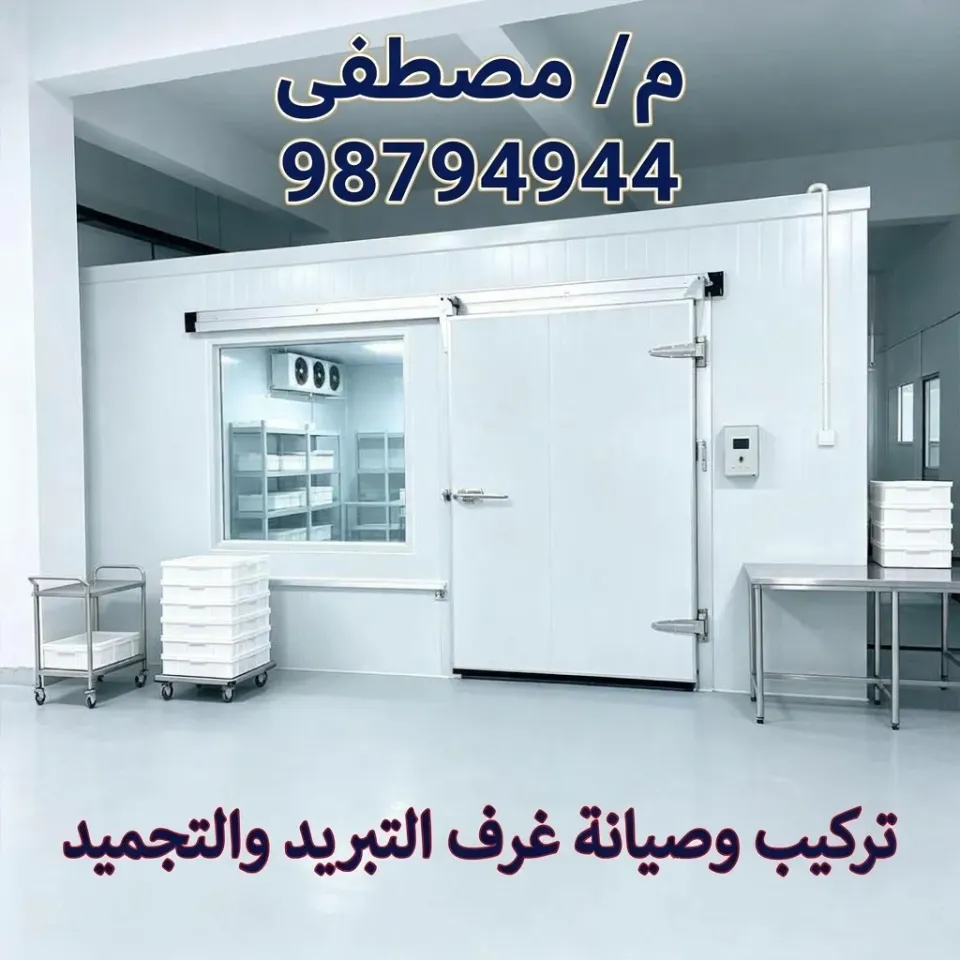
Cold Room Repair in Shuwaikh Industrial: Same-Day Technician
Do you need cold room maintenance in Shuwaikh Industrial, with a technician who can reach your premises on the same day, because your warehouse cold room has stopped cooling or its temperature has suddenly increased? The first priority is to keep your products within their required storage conditions, followed by diagnosing the fault before replacing any components. If you are looking for a cold room technician in Shuwaikh Industrial, arranging a same-day visit depends on appointment availability and the nature of the service request. Arrival on the same day cannot be guaranteed without a confirmed booking. Common problems include a compressor that repeatedly trips, a dirty condenser, an evaporator covered with ice, or a controller displaying inaccurate temperature readings. Identifying the actual cause helps you choose an appropriate repair and reduce the risk of recurring problems.
Food shops, restaurants, and commercial warehouses in Shuwaikh Industrial rely on cold rooms that maintain storage temperatures suitable for their products, particularly when receiving shipments, moving cartons, and opening doors frequently. Sometimes the room cools more slowly than usual, or the compressor runs continuously. In other situations, water appears near the evaporator, or frost accumulates around the door. Each of these symptoms can have several possible causes. It is therefore incorrect to assume that the problem is low refrigerant charge or a damaged compressor without inspection and measurements. The temperature displayed on the controller is also not always sufficient to determine whether every product inside the room has remained under suitable storage conditions.
Through Cold Room and Display Refrigerator Maintenance in Kuwait, you can inquire about commercial cold room inspection and repair services and the availability of a technician visit to Shuwaikh Industrial. This comprehensive guide explains common refrigeration faults in warehouses and retail stores, when compressor, evaporator, or thermostat inspections may be necessary, and how to respond to rising temperatures before a technician arrives. It also covers diagnostic and repair procedures, factors influencing maintenance costs, and the information you should prepare when requesting service. Understanding these details can help you describe the problem accurately, evaluate necessary repairs, and avoid purchasing replacement parts before confirming that they are faulty.
Cold Room Maintenance in Shuwaikh Industrial: What Does Inspection and Repair Include?
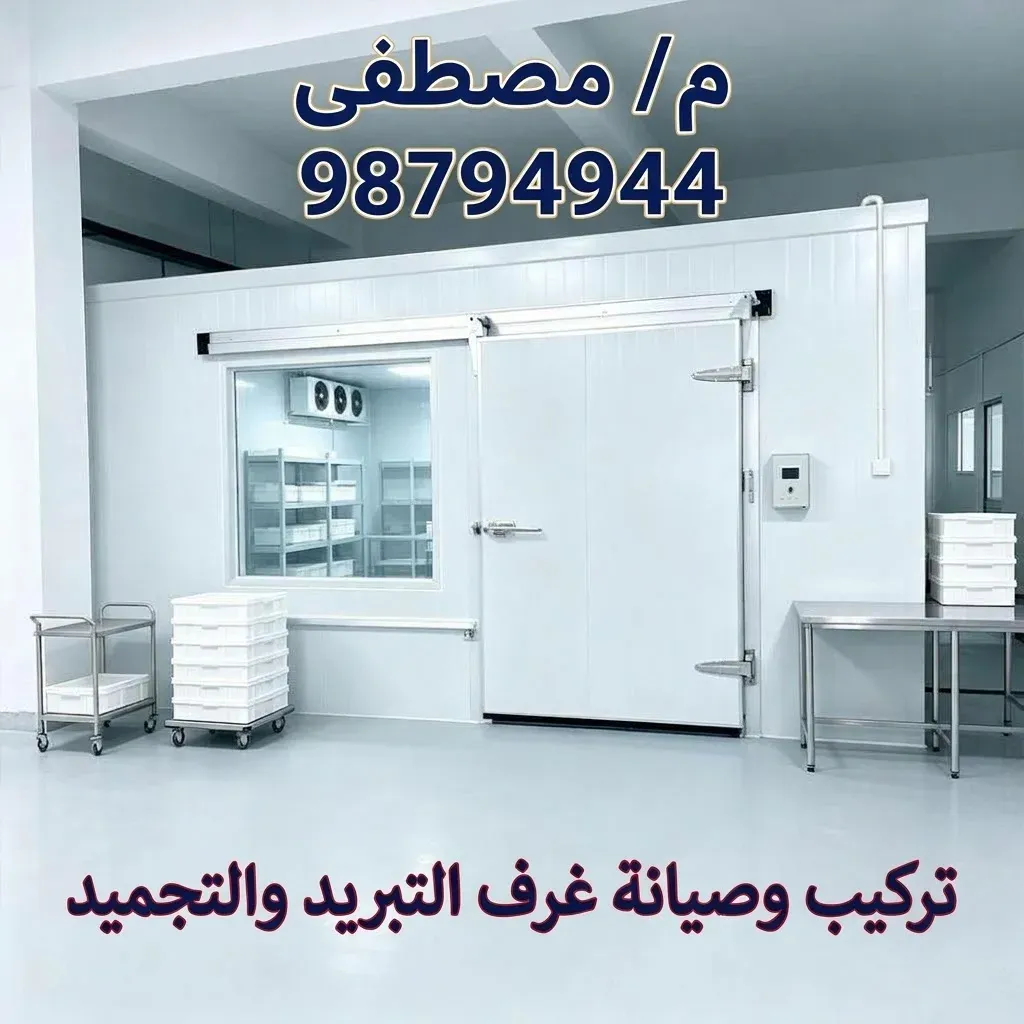
Cold room maintenance in Shuwaikh Industrial involves inspecting the room and its components to identify the possible causes of inadequate cooling, equipment failure, or unstable storage temperatures. The scope of work depends on the reported problem. A room whose compressor does not start requires a different diagnostic approach from one that reaches its target temperature but repeatedly develops ice accumulation or water leaks. Maintenance should therefore begin by reviewing the symptoms, equipment information, and operating conditions, followed by suitable measurements before choosing a repair.
In commercial shops and warehouses, a refrigeration system may include a compressor, condensing unit, evaporator, fans, thermostat, sensors, expansion valve, electrical connections, and protective devices. Some facilities have independent refrigeration systems for each room, while others use centralized systems serving several storage areas. Identifying the system type before inspection is essential because diagnostic procedures differ according to equipment design and the refrigerant used.
Main Cold Room Components That May Require Inspection
-
Compressor: Review operation, electrical protection, and the ability to meet the required refrigeration load.
-
Condenser: Check cleanliness, airflow, fan operation, and heat rejection conditions.
-
Evaporator: Verify airflow and check for frost accumulation that may restrict cooling.
-
Controller and Thermostat: Review temperature setpoints, readings, and alarm history.
-
Temperature Sensors: Check measurement accuracy and sensor installation locations.
-
Expansion Valve: Evaluate refrigerant feeding performance when necessary.
-
Refrigeration Circuit: Investigate signs of leakage or other operating problems.
-
Door and Gaskets: Inspect sealing and protection against unwanted outdoor air infiltration.
-
Thermal Insulation: Examine insulation panels, joints, and possible openings.
-
Defrost and Drainage Systems: Verify suitable frost removal and water drainage.
Does Every Cold Room Need the Same Maintenance Procedures?
No. A vegetable storage room has different requirements from a freezer storing frozen products, while small refrigeration systems differ from large warehouse installations.
The work should be determined according to operating temperature, product type, installed equipment, and the actual symptoms.
Does an Inspection Always Involve Replacing Parts?
Not necessarily. Some problems may require condenser cleaning, door seal repairs, or correcting unsuitable controller settings.
Other situations may require replacing a sensor, fan, or another component after testing confirms that it is defective.
Must the Cold Room Be Completely Shut Down During Maintenance?
This depends on the fault and the procedures required.
Some inspections can be performed during operation by qualified personnel, while other work requires electrical isolation or shutting down the refrigeration circuit.
Arrangements for protecting stored products should be agreed upon before any work that may affect room temperature.
What Is the Purpose of a Technical Inspection?
The objective is not simply to restart the equipment temporarily.
It is to identify the cause of the problem and verify that the system can maintain the required storage conditions after repair.
If you operate a cold room in Shuwaikh Industrial, begin by describing the symptoms and required operating temperature so that the appropriate inspection can be determined before equipment replacement is recommended.
Cold Room Technicians in Shuwaikh Industrial: How to Request a Visit and Check Same-Day Availability
Searching for a cold room technician in Shuwaikh Industrial often becomes urgent, particularly when the room contains chilled meat, dairy products, or other highly perishable foods. However, responding appropriately to a service request requires identifying the business location, the nature of the problem, and the possible risks to stored products. A complete refrigeration shutdown is different from a request for condenser cleaning or preventive maintenance on a room that is still functioning normally.
If you want to book a cold room technician in Shuwaikh today, it is preferable to prepare the essential information before asking about available appointments. An accurate description of the problem helps establish whether the visit may require electrical testing, refrigeration circuit diagnosis, or controller inspection. Same-day arrival depends on actual scheduling and service availability. It should not be treated as guaranteed until confirmed by the service provider.
What Information Should You Prepare Before Requesting a Technician?
-
The shop or warehouse address within Shuwaikh Industrial.
-
Business activity and types of stored products.
-
Approximate cold room dimensions.
-
Required operating temperature.
-
Current temperature, if a reliable reading is available.
-
When the problem first appeared.
-
Whether the compressor is running or stopped.
-
Whether the controller displays alarm messages.
-
Whether unusual noises, frost, or water leaks are present.
-
Equipment specifications or photographs of equipment labels, where possible.
Can I Book a Technician for the Same Day?
You can inquire about the nearest available appointment.
However, confirming a same-day visit depends on technician schedules, the nature of the fault, the business location, and the availability of the requested service.
It is advisable to obtain clear confirmation before relying on that appointment when planning how to protect your inventory.
What Should You Do If Refrigeration Stops Before the Technician Arrives?
Keep doors closed as much as possible, monitor and record temperatures, and identify when the problem began.
If product safety is at risk, activate a plan for transferring products to suitable alternative storage.
Do not rely exclusively on the appearance of food products when assessing their safety.
Should I Switch Off the Compressor?
Do not repeatedly switch refrigeration equipment off and on without understanding the problem.
If signs of electrical danger appear, such as smoke, a burning smell, or sparks, keep away from the equipment, follow applicable safety procedures, and seek qualified assistance immediately.
For other faults, follow the equipment instructions and guidance from a qualified technician.
Can Photographs Help Explain the Problem?
Yes. Photographs may help show controller alarm codes, the condition of the door, ice accumulation, or the location of refrigeration equipment.
However, photographs cannot replace the measurements required to assess compressor condition, refrigerant circuit performance, or electrical safety.
Are Nearby Service Requests Always Given Priority?
Not necessarily. Appointment scheduling depends on availability, the nature of the service request, and the procedures required.
It is therefore best to ask for the actual appointment time rather than assume a specific response time or priority before confirmation.
To inquire about cold room inspection appointments in Shuwaikh Industrial, visit the official website of Cold Room and Display Refrigerator Maintenance:
Warehouse Cold Room Repair in Shuwaikh: Causes of Poor Cooling and Rising Temperatures
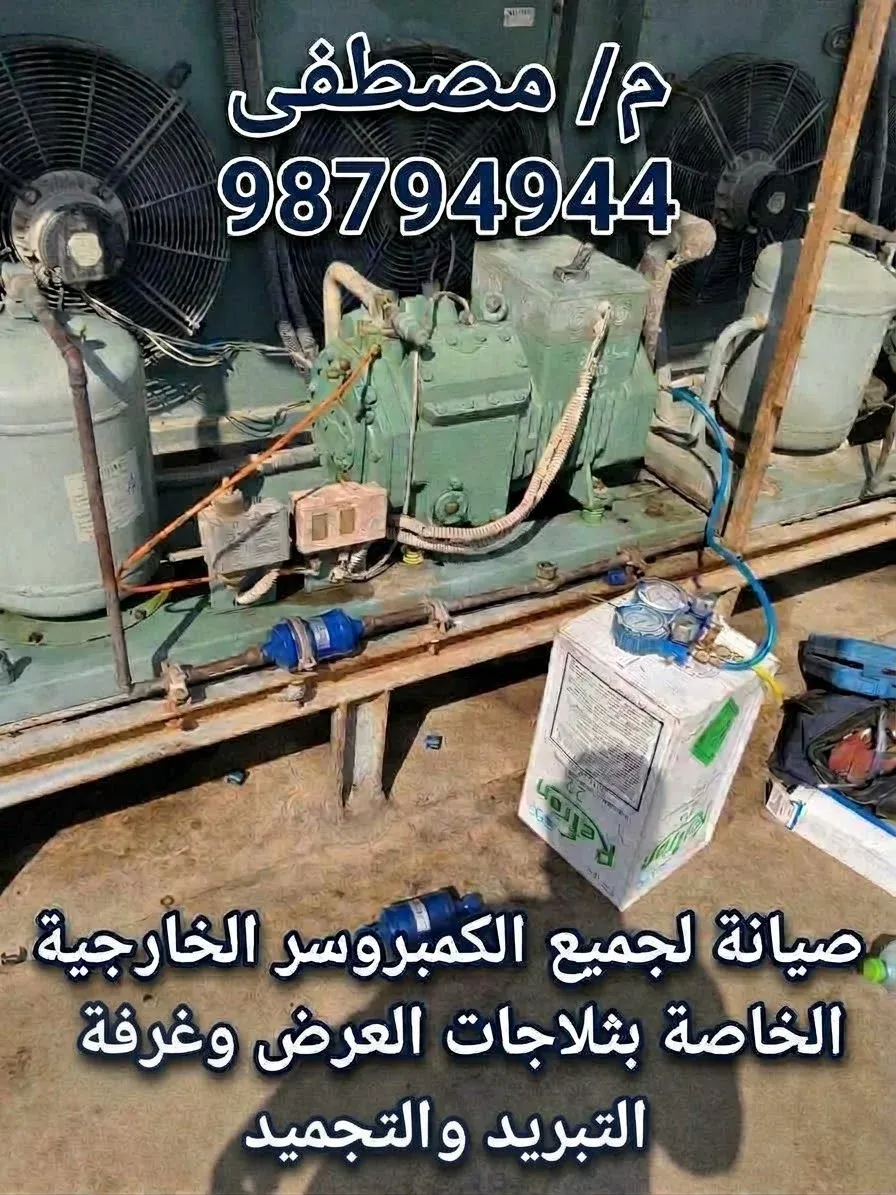
Repairing a warehouse cold room in Shuwaikh begins by determining whether the room cannot reach the required storage temperature or has experienced a sudden temperature increase after previously operating normally. Possible causes include condenser contamination, a stopped fan, increased refrigeration loads, or an inaccurate temperature sensor. Other cases may involve the refrigeration circuit, doors, or evaporator. A high room temperature is therefore a symptom that requires diagnosis rather than definite proof that a particular component has failed.
In warehouses receiving daily shipments, the temperature of incoming products must also be considered. When substantial quantities of goods arrive warmer than their required storage temperature, the refrigeration system needs time and energy to remove the additional heat. Stacking cartons directly in front of the evaporator may also restrict airflow, causing temperature differences between storage areas.
Common Causes of Inadequate Refrigeration
|
Observed Symptom |
Possible Causes |
Appropriate Inspection |
|
Room cannot reach its temperature setpoint |
Excessive load or insufficient refrigeration capacity |
Assess loads and equipment |
|
Compressor operates but cooling is inadequate |
Condenser, evaporator, or refrigeration circuit problems |
Check pressures, temperatures, and airflow |
|
Uneven temperatures inside the room |
Poor airflow distribution or overcrowding |
Inspect fans and storage arrangements |
|
Temperature rises after deliveries |
Warm incoming products or prolonged door opening |
Review receiving procedures and door activity |
|
High temperature with an alarm |
Control, sensor, or operating performance issue |
Review alarm history and measurements |
|
Increased water condensation |
Air infiltration or drainage problem |
Inspect doors, evaporator, and drainage |
Why Does the Room Cool Properly When Empty but Struggle When Products Are Added?
Products introduce an additional heat load, particularly when they enter at temperatures above those required for storage.
Product arrangements also influence airflow.
The refrigeration system should therefore be evaluated under representative operating conditions rather than solely through testing an empty room.
Is Low Refrigerant Charge a Common Cause?
Refrigerant leakage may be one possible cause, but it is not the only explanation.
Proper diagnosis requires examining the refrigeration circuit and operating measurements.
Refrigerant should not be added without checking for leakage and repairing confirmed leaks where necessary.
Can Increasing Fan Speed Solve the Problem?
Not necessarily. Air distribution depends on evaporator design, product characteristics, and storage clearances.
The appropriate solution may involve rearranging cartons, repairing a fan, or addressing frost accumulation rather than changing fan speed without technical justification.
How Does the Door Affect Warehouse Temperature?
A door that does not close properly allows warm, humid outdoor air to enter, increasing the refrigeration load.
Door gaskets, hinges, and closing mechanisms should therefore be inspected, especially in warehouses with frequent movement.
Is the Controller Temperature Reading Sufficient?
No. The controller reading may not represent every storage area or the actual temperature of the products.
Where product safety requires additional monitoring, measurements and records should be reviewed according to the facility's approved food safety procedures.
If your warehouse temperature rises, request an inspection that determines whether the problem is related to equipment, refrigeration loads, airflow, or doors instead of replacing the compressor before identifying the cause.
Commercial Refrigeration Technicians for Shuwaikh Shops: Restaurant, Display Refrigerator, and Cold Room Maintenance
A commercial refrigeration technician serving shops in Shuwaikh must consider that operating conditions differ between businesses. A restaurant storing chilled ingredients throughout the day operates differently from a wholesale shop that receives substantial quantities of cartons and distributes them in batches. Commercial cold rooms may also operate alongside refrigerated display cabinets or kitchen equipment, and the distribution of cooling loads or surrounding temperatures can affect refrigeration performance.
In restaurants, maintaining appropriate ingredient storage conditions and minimizing interruptions during meal preparation are important priorities. In food shops, problems may be associated with frequent door opening, overcrowded storage, or unsuitable shelving arrangements. The inspection should therefore consider how the facility uses the equipment rather than focusing on refrigeration components alone.
Which Businesses May Need Commercial Refrigeration Maintenance?
-
Restaurants and commercial kitchens.
-
Grocery stores and food shops.
-
Wholesale storage facilities.
-
Meat and fish shops.
-
Dairy product warehouses.
-
Fruit and vegetable storage facilities.
-
Food preparation and processing businesses.
-
Bakeries and pastry shops using refrigerated storage rooms.
-
Businesses operating frozen product storage rooms.
Does a Restaurant Cold Room Require the Same Maintenance as a Warehouse?
Some inspection procedures are similar, but cooling loads and operating methods differ.
A restaurant cold room may be opened repeatedly during food preparation, while a warehouse may experience substantial loads when receiving shipments.
Why Is Condensing Unit Ventilation Important?
The condenser needs suitable conditions to reject heat.
Poor ventilation, contamination, or obstructions may affect performance.
The condensing unit's location and airflow routes should therefore be inspected.
Can Kitchen Heat Affect Refrigeration Performance?
It may affect performance if the condensing unit is located in a hot or poorly ventilated environment.
The actual effect should be assessed according to equipment placement and design rather than assuming that every refrigeration problem is caused by surrounding kitchen temperatures.
Do Refrigerated Display Cabinets Have the Same Faults as Cold Rooms?
Some components and problems are similar, including compressor, fan, and sensor faults.
However, equipment design, airflow distribution, and operating methods differ.
Each system should therefore be inspected according to its specifications.
Is Preventive Maintenance Important for Restaurants?
Yes. It helps review doors, condensers, fans, and sensors and may identify certain problems early.
However, suitable maintenance intervals depend on equipment type, manufacturer instructions, and actual operating conditions.
If you operate a restaurant or food shop in Shuwaikh, explain the products, operating hours, and door-opening frequency when requesting an inspection so that recommendations match your business activities.
Food Cold Room Maintenance in Shuwaikh: Protecting Inventory During Refrigeration Failures
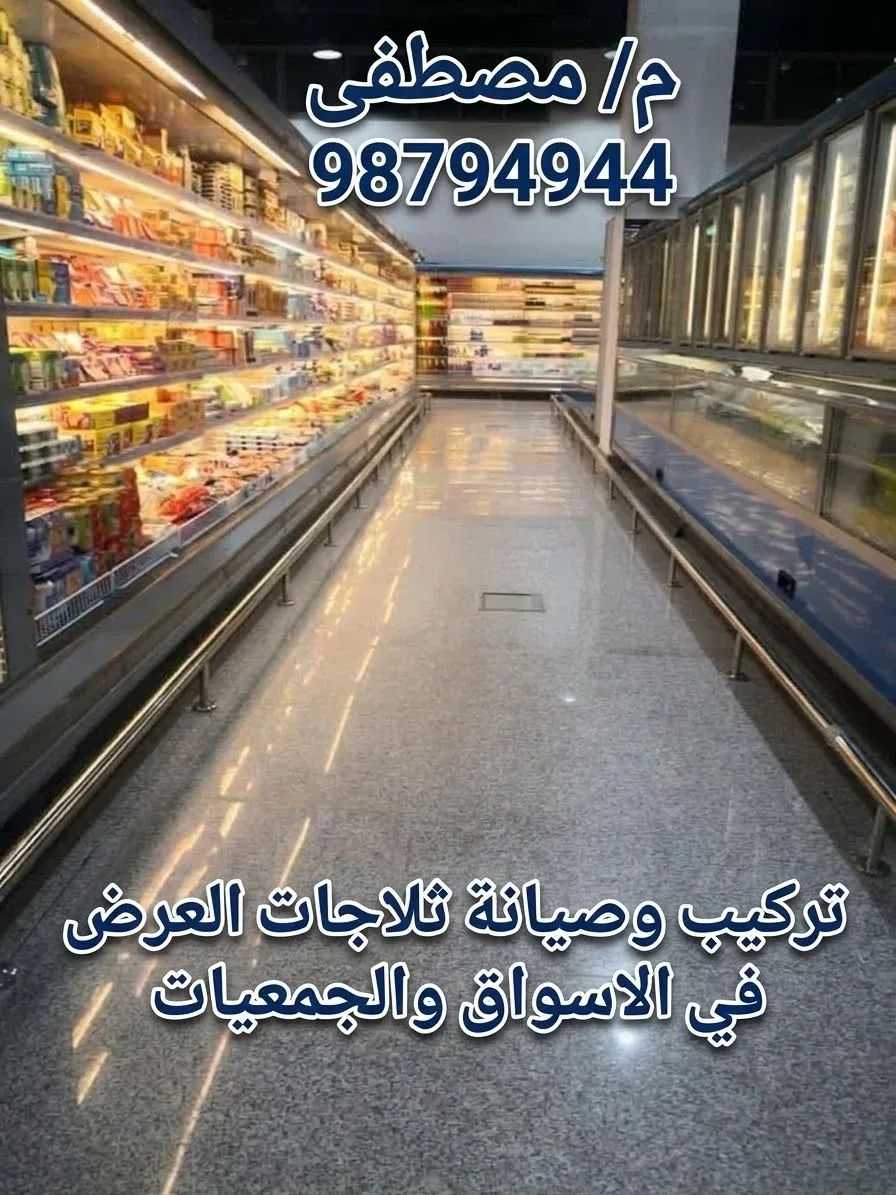
Maintaining food cold rooms in Shuwaikh requires attention to product safety as well as equipment repairs. The objective is not merely to restart the compressor. It is also important to evaluate storage temperatures and how long products may have been exposed to unsuitable conditions. This is particularly relevant to warehouses holding meat, dairy products, ready-to-eat foods, and other perishables. Prolonged refrigeration failure or improper inventory handling can cause financial losses and food safety risks.
If the room temperature rises abnormally, the time, readings, and observations should be recorded while unnecessary door opening is minimized. Products whose safety is uncertain must also be handled according to facility procedures and applicable food safety requirements. They should not automatically be considered safe because their surfaces still feel cool or because the room returns to its normal temperature after repair.
What Should You Do When the Cold Room Temperature Rises?
-
Record when the problem was first noticed.
-
Review the controller reading and alarm history, if available.
-
Minimize unnecessary door opening.
-
Identify temperature-sensitive products.
-
Review available product temperature information.
-
Prepare alternative storage arrangements when necessary.
-
Separate products requiring assessment according to quality procedures.
-
Do not rely solely on smell or appearance when assessing safety.
-
Keep records of what happened and the actions taken.
Does Restoring the Room Temperature Mean Every Product Is Safe?
No. Product safety depends on the temperatures experienced, exposure duration, product characteristics, and storage instructions.
Products must therefore be evaluated according to food safety requirements and approved procedures, rather than assuming that repairing the equipment automatically restores product safety.
Can Products Be Transferred During Maintenance?
Transfer may be appropriate when necessary to maintain suitable storage conditions, provided an appropriate alternative facility or transportation method is used.
The transfer should be planned to avoid exposing products to further unsuitable temperature changes.
Do Frozen Products Require Different Handling?
Yes. Frozen products require temperatures and storage conditions that differ from chilled foods.
Thawing or refreezing concerns must also be evaluated according to product characteristics, temperature history, and food safety requirements.
Can Ice Be Used as a Temporary Solution?
Ice should not be treated as a universal replacement for a failed commercial refrigeration system.
Certain products may have appropriate emergency handling procedures under specific conditions, but food safety instructions must be followed.
It should not be assumed that ice can maintain safe temperatures throughout an entire cold room or substantial inventory.
The Importance of Temperature Records
Recording temperatures helps establish when abnormal conditions began and supports the evaluation of affected products.
It also provides useful information for the technician when diagnosing the refrigeration fault and assessing performance after repair.
In food storage facilities, successful maintenance is not simply the return of compressor operation. It requires correcting the fault, verifying storage conditions, and handling affected inventory appropriately.
Cold Room Compressor Repair in Shuwaikh: Causes of Tripping, Shutdown, and Continuous Operation
Repairing a cold room compressor in Shuwaikh requires a technical diagnosis before deciding whether to repair or replace the unit. A compressor may stop because of an electrical problem, a protective device trip, or unsuitable operating conditions. This does not automatically mean that its internal mechanical components have failed. A compressor may also continue running without the room reaching the required temperature because of poor heat transfer, excessive loads, or problems within the refrigeration circuit.
Current measurement alone cannot establish the compressor's complete condition. Diagnosis may also require checking voltage, protective devices, pressures, temperatures, and actual operating performance against manufacturer specifications. In some cases, the appropriate solution involves repairing another component connected to the system. Other cases may require compressor replacement after testing confirms a fault or shows that the existing unit is unsuitable.
What Can Cause a Compressor to Stop?
-
Electrical supply interruption or faulty connections.
-
Activation of a protective device.
-
Contactor or control circuit problems.
-
Excessive operating pressures in certain conditions.
-
Faulty controller start commands.
-
Motor or internal mechanical faults.
-
Operation outside the equipment's permitted range.
Why Does the Compressor Run Continuously?
Possible causes include excessive refrigeration load, condenser contamination, inadequate airflow, refrigeration circuit problems, or incorrect controller settings.
Continuous operation alone is not sufficient evidence of compressor failure.
Does a Hot Compressor Mean It Is Damaged?
Compressors operate at different temperatures according to their design and operating conditions.
Feeling heat on the outside of the compressor is not sufficient to assess its condition.
Relevant operating measurements and protective devices should be reviewed according to manufacturer instructions.
Can Refrigerant Charging Repair a Compressor?
No. Adding refrigerant is not a general solution for compressor problems.
If a refrigerant shortage caused by leakage is confirmed, the cause must be identified and repaired before the system is charged using the appropriate procedure.
Can a Compressor Be Repaired Instead of Replaced?
This depends on the compressor type, the fault, technical specifications, and whether repair is practical and financially reasonable.
Hermetically sealed compressors may offer different repair options from certain serviceable compressor designs.
Common Cold Room Compressor Symptoms
|
Symptom |
Possible Causes |
Required Assessment |
|
Compressor does not start |
Electrical, controller, protective device, or internal fault |
Voltage, protection, and operating commands |
|
Compressor starts and then stops |
Load, pressure, or electrical protection issue |
Operating conditions and connections |
|
Compressor runs continuously |
Excessive load, poor performance, or control fault |
Refrigeration load, condenser, evaporator, and controller |
|
Unusual noise |
Mechanical problem, vibration, or mounting issue |
Noise source and unit condition |
|
Room does not cool despite compressor operation |
Inadequate capacity or refrigeration circuit or airflow issue |
Complete system performance |
|
Repeated alarms |
Operating fault, sensor problem, or pressure issue |
Alarm history and equipment information |
Does Replacing the Compressor Prevent the Problem from Returning?
Not necessarily, particularly when the original fault resulted from poor ventilation, an electrical problem, or unsuitable operating conditions.
The underlying cause should therefore be corrected before installing replacement equipment.
If your cold room compressor trips or fails to cool properly, do not approve its replacement before reviewing inspection results and understanding the cause. This helps avoid unnecessary replacement costs.
Cold Room Inspection for Shuwaikh Industrial Warehouses: Evaporators, Frost, and Controllers
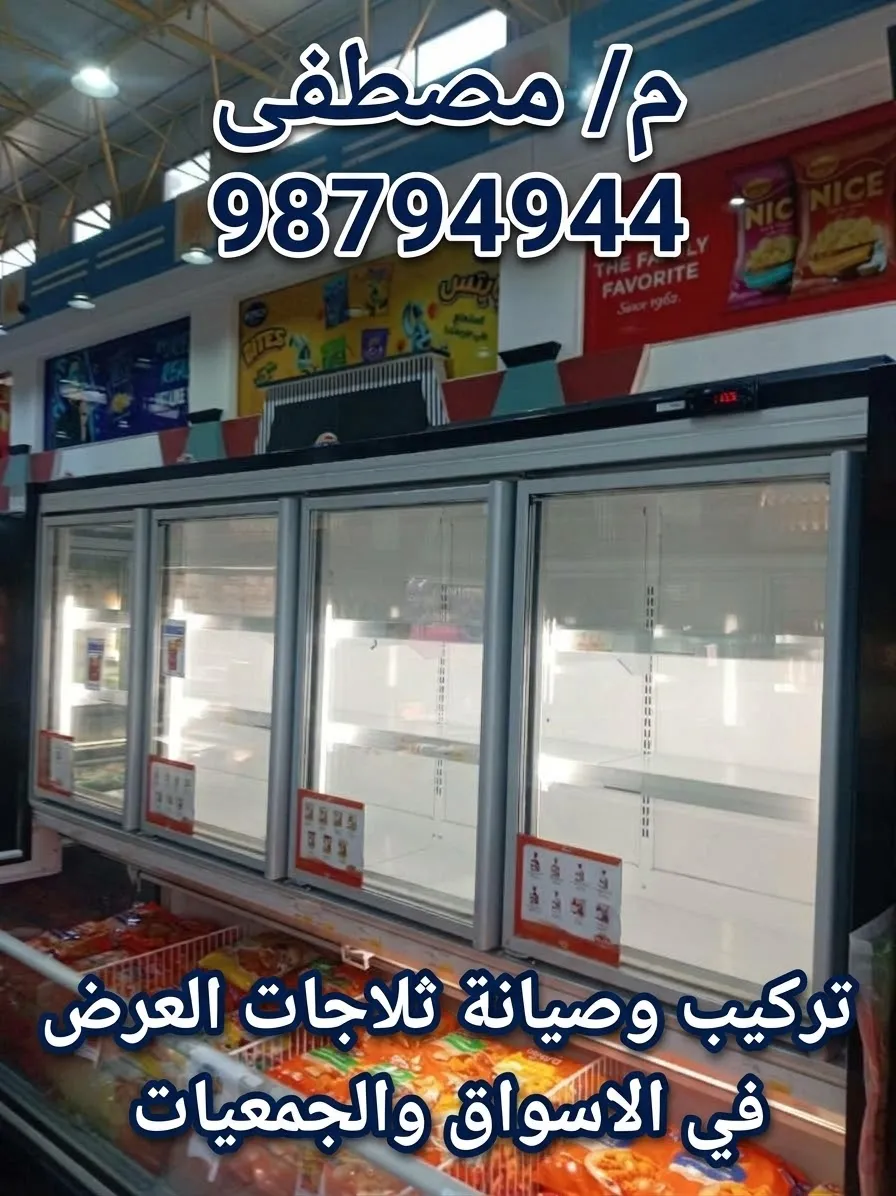
Inspecting a warehouse cold room in Shuwaikh Industrial involves reviewing the evaporator, controller, defrost system, and airflow distribution, particularly when the warehouse receives substantial shipments or operates for extended periods. The evaporator removes heat from the air inside the room. If excessive frost accumulates or its fans become ineffective, heat transfer performance may decline and temperatures may vary between storage areas.
Faulty thermostats or temperature sensors may also cause the controller to display inaccurate readings or send inappropriate operating commands. Controller settings should therefore not be changed randomly, particularly when the room contains food requiring specific storage temperatures. System operation, alarm history, and sensor performance should be assessed according to equipment instructions.
Why Does Ice Form on the Evaporator?
Frost can form when moisture is present in the air and evaporator surfaces are sufficiently cold.
The problem may increase when outdoor air enters or the defrost system does not operate properly.
However, the normal amount of frost varies according to equipment design and operating conditions.
What Causes Excessive Frost Accumulation?
-
Poor door sealing.
-
Frequent door opening.
-
Incorrect defrost programming.
-
Defrost heater faults where heaters are installed.
-
Evaporator sensor problems.
-
Drainage system faults.
-
Inadequate airflow in certain situations.
-
Unsuitable equipment operating conditions.
Can I Break Ice Off the Evaporator?
Do not use sharp tools or forceful methods to remove ice.
These may damage refrigerant tubes or cause leakage.
Manufacturer instructions should be followed, and a qualified technician should be consulted when severe frost accumulation occurs.
Will Replacing the Temperature Sensor Solve a Controller Problem?
It may solve the problem if testing confirms the sensor is defective.
However, reading accuracy, wiring, sensor placement, and controller settings must also be checked.
Some faults result from incorrect settings or connections rather than sensor failure.
Why Is Air Distribution Important?
Suitable airflow distribution helps maintain more consistent storage conditions throughout the room while accounting for its design and stored products.
Cartons that obstruct airflow can create warmer areas even when the controller displays an apparently suitable temperature.
Does Defrosting Increase the Room Temperature?
Some temperature readings may change during defrost cycles depending on the system design and control strategy.
However, operation should remain within the intended design and product storage requirements.
Evaluating defrost performance involves reviewing its timing, operation, and the system's return to normal refrigeration.
What Should a Useful Inspection Report Include?
A useful report identifies the symptoms, measurements, inspected components, diagnostic findings, and recommended repairs.
It should also clarify whether replacement parts are required.
Recording readings before and after repair can be particularly helpful when practical.
If your cold room repeatedly develops frost or experiences unstable temperatures, request a combined inspection of the evaporator, controller, and doors. Replacing one sensor may not resolve the underlying problem.
Cold Storage Warehouse Fault Repairs in Shuwaikh: Maintenance Steps from Reporting to Testing
Repairing faults in cold storage warehouses in Shuwaikh requires a clear process from the initial service request through verification after the repair. Certain faults appear during busy receiving periods or high outdoor temperatures and may temporarily disappear when the room is empty or its door has remained closed for an extended period. Symptoms should therefore be documented, and the system should be inspected under representative operating conditions wherever practical.
In commercial warehouses, maintenance should also be coordinated with product movement because some procedures may require temporarily stopping equipment or clearing the work area. The customer should understand whether the visit is for diagnosis only or includes repair work. Costs and replacement parts should be confirmed before approving the work.
Receiving the Service Request
The process begins by identifying the facility location, cold room type, reported fault, current temperature, and required temperature.
The condition of stored products and the potential need for urgent protective measures should also be discussed.
Reviewing the Problem History
The technician establishes when the fault first appeared and whether similar problems, recent repairs, or changes in operating procedures occurred.
Inspecting Electrical Systems and Controllers
The electrical supply, protective devices, operating commands, sensors, and alarms are reviewed by qualified personnel.
Inspecting the Condenser and Compressor
The inspection includes ventilation, fans, contamination, and relevant operating measurements when necessary.
Inspecting the Evaporator and Defrost System
The evaporator condition, airflow, frost, drainage, and defrost program are reviewed where applicable.
Inspecting the Refrigeration Circuit
Depending on the system type, procedures may include reviewing pressures, temperatures, leakage symptoms, and component performance.
Identifying the Technical Cause
After the findings have been collected, the confirmed or most likely cause is explained, together with components requiring repair or replacement.
Preparing the Repair Quotation
Labor costs, replacement parts, and additional work should preferably be explained before repairs begin, including any exclusions.
Carrying Out the Repairs
Maintenance work is performed according to the identified fault and manufacturer instructions, following appropriate electrical and refrigeration safety procedures.
Testing the System
Testing verifies that equipment operates appropriately and that the room is progressing toward the required temperature, while reviewing stability over a suitable testing period.
Additional monitoring under actual product loads may be required depending on the warehouse and the fault.
Documenting the Results
Records of replaced parts, inspection measurements, controller settings, and preventive maintenance recommendations are useful for future service.
Good maintenance does not end when the compressor starts. The cause of the fault should be corrected, and cold room performance should be reviewed after the repair.
Cold Room Maintenance Costs in Shuwaikh Industrial: Inspection and Replacement Part Prices
Cold room maintenance costs in Shuwaikh Industrial vary according to the type of fault, room size, number of refrigeration units, equipment accessibility, and scope of repair. Checking a temperature sensor or door gasket involves different work from diagnosing a refrigeration circuit problem or replacing a compressor or evaporator. Equipment age, replacement part availability, and the electrical work required may also influence the final cost.
There is no single fixed price covering every cold room fault in Shuwaikh. Some jobs require an initial inspection, while others involve condenser cleaning, door repairs, or replacement of a confirmed defective component. A clear quotation should be obtained after diagnosis, identifying whether inspection charges are included in the repair price or billed separately.
Main Factors Affecting Maintenance Costs
|
Cost Factor |
Effect on Pricing |
|
Type of fault |
Determines inspection and repair procedures |
|
Room dimensions |
May influence the amount of work required |
|
Number of compressors |
Determines how many units need inspection |
|
Refrigeration system type |
Independent and centralized systems require different procedures |
|
Replacement parts |
Prices depend on model, availability, and specifications |
|
Electrical repairs |
Costs vary according to affected components |
|
Refrigeration circuit repairs |
Depends on diagnosis and work scope |
|
Insulation and door condition |
Influences repair materials and labor |
|
Site conditions |
May affect equipment accessibility |
|
Appointment timing |
Depends on service policies and availability |
|
Testing requirements |
Determined by repair type |
Does the Inspection Fee Include Repairs?
Not necessarily. Inspection charges may be separate from repair labor and replacement parts.
The details should be confirmed before approving the service, including whether the diagnostic fee is deducted from the final repair price if such an arrangement is available.
Is Compressor Replacement More Expensive Than Controller Repair?
Compressor replacement may cost more in many situations, but pricing depends on the compressor, controller, specific fault, and work required.
A final comparison cannot be made without identifying the models and necessary components.
Is Refrigerant Charging Included in the Inspection?
Not necessarily.
Charging should also not be performed before identifying the reason for any confirmed refrigerant loss.
The quotation should clarify the scope of leak detection, repair, and refrigerant charging.
Does a Same-Day Visit Have an Additional Charge?
This depends on the service provider's policy and appointment availability.
Any additional charges should be confirmed before booking, without assuming a fixed emergency fee or guaranteed same-day attendance.
How Should Maintenance Quotations Be Compared?
Compare the inspection scope, diagnosed cause, replacement part specifications, testing procedures, and warranty conditions, rather than the final price alone.
A cheaper quotation may exclude components or work necessary to complete the repair properly.
What Should You Ask Before Approving Repairs?
-
What fault was diagnosed?
-
Can the component be repaired, or must it be replaced?
-
Which parts and models are required?
-
Does the price include labor and replacement parts?
-
Could additional work be necessary?
-
Will the system be tested after repair?
-
What warranty conditions apply, if any?
-
Can the work be documented in a report or invoice?
Request an Inspection Based on Your Specific Fault
If you have a cold room in a shop or warehouse in Shuwaikh Industrial, prepare information about the room, its equipment, and the symptoms.
To inquire about inspection and repair costs and the nearest available appointment, visit the official website of Cold Room and Display Refrigerator Maintenance:
Common Cold Room Faults in Shuwaikh Warehouses: Prevention and Choosing a Maintenance Provider
Common cold room faults in Shuwaikh warehouses include compressor, condenser, evaporator, door, and controller problems. However, prevention depends on the operating conditions of each facility. A warehouse receiving frequent shipments should pay particular attention to door movement and product arrangements, while a restaurant cold room may be more affected by the surrounding equipment environment and frequent use during food preparation.
Choosing a maintenance provider should involve reviewing the clarity of the diagnosis, scope of work, and testing procedures. Customers need to understand the cause of the problem and whether the proposed repair is suitable. Through Cold Room and Display Refrigerator Maintenance in Kuwait, you can inquire about commercial refrigeration maintenance options and explain the condition of your cold room in Shuwaikh Industrial, while confirming service availability, appointments, and warranty terms before entering into an agreement.
What Warning Signs Should Not Be Ignored?
-
Repeated increases in room temperature.
-
Continuous compressor operation without reaching the setpoint.
-
Frequent equipment shutdowns or protective device trips.
-
Unusual frost accumulation on the evaporator.
-
Water collecting near drainage areas.
-
Damaged door gaskets or noticeable air infiltration.
-
New noises or vibration.
-
Failed fans or poor airflow.
-
Repeated controller alarms.
-
Significant differences between required and actual storage temperatures.
How Can Recurring Faults Be Reduced?
-
Organize incoming and outgoing shipments.
-
Keep condensers clean.
-
Inspect door gaskets and closing mechanisms.
-
Avoid blocking airflow with cartons.
-
Monitor storage temperatures.
-
Review alarm histories.
-
Clean floors and drainage areas.
-
Inspect fans and sensors as part of a maintenance program.
-
Document previous faults and repairs.
-
Follow manufacturer instructions for maintenance intervals.
What Criteria Should You Review When Choosing a Maintenance Service?
|
Evaluation Criteria |
Benefit for the Business |
|
Diagnosing before replacing parts |
Reduces unnecessary repairs |
|
Inspecting related components |
Helps identify interconnected problems |
|
Considering food safety |
Supports protection of stored products |
|
Clear operating measurements |
Supports repair decisions |
|
Replacement part identification |
Clarifies required specifications |
|
Detailed cost quotation |
Supports comparisons |
|
Testing after maintenance |
Reviews system performance |
|
Documented work |
Supports future service |
|
Written warranty conditions |
Clarifies coverage and exclusions |
|
Confirmed appointment |
Helps plan business operations |
Does Preventive Maintenance Eliminate Every Fault?
No. It can help identify certain issues before they become more serious and reduce risks associated with neglected equipment.
Unexpected faults may still occur, particularly as equipment ages or operating conditions change.
Should the Condenser Be Cleaned at a Fixed Interval?
Appropriate cleaning intervals depend on manufacturer instructions, dust and grease levels, ventilation, and operating hours.
Equipment in heavily contaminated environments may require more frequent attention than equipment in cleaner locations.
Can Changing Controller Settings Fix a Refrigeration Fault?
Not always. The problem may involve the sensor, condenser, evaporator, or refrigeration load.
Storage temperatures should not be raised or lowered randomly to bypass a fault, particularly when perishable products are involved.
Does the Company Provide a Repair Warranty?
Warranty coverage depends on the service conditions, repair type, and replacement parts.
Written clarification of duration, coverage, and exclusions should be requested.
A comprehensive warranty covering an entire older cold room should not be assumed simply because one component has been replaced.
How Can You Request Service in Shuwaikh?
Prepare the facility address, cold room type, reported symptoms, and available temperature readings.
Equipment information can also be provided where possible.
Then inquire about inspection appointments, service scope, and diagnostic charges before confirming a booking.
If you want your cold room to return to suitable operation, focus on identifying and correcting the underlying problem and verifying performance rather than simply restarting the equipment temporarily.
Frequently Asked Questions About Cold Room Maintenance in Shuwaikh Industrial
Can I Book a Cold Room Technician in Shuwaikh Industrial Today?
You can inquire about the nearest available appointment through the company's website.
However, a same-day visit depends on technician availability, appointment schedules, and the nature of the service request.
You should receive confirmation before relying on the appointment.
What Causes a Cold Room to Stop Cooling Suddenly?
Possible causes include electrical problems, compressor protective device trips, controller faults, fan failures, or problems within the refrigeration circuit.
The exact cause cannot be established without appropriately inspecting the symptoms and components.
Does Repairing a Cold Room Compressor Always Require Replacing It?
No. The problem may involve electrical supply, protective devices, or system operating conditions.
Certain situations may require replacement, but compressor specifications and diagnostic measurements should be reviewed before making that decision.
How Much Does It Cost to Repair a Warehouse Cold Room in Shuwaikh?
Costs vary according to the fault, required equipment, cold room condition, replacement parts, and repair work.
It is preferable to request an inspection and quotation that clearly explains diagnostic charges, repair costs, and included components.
What Should I Do If the Temperature of a Food Cold Room Rises?
Minimize door opening and record the temperature and time when the problem began.
Review product conditions according to their storage requirements.
If products are at risk, arrange suitable alternative storage and request a technical inspection.
Do not assume that restoring the room's temperature automatically makes the affected inventory safe.
Conclusion: Request Cold Room Maintenance in Shuwaikh Industrial After Confirming Technician Availability
If you are searching for cold room maintenance in Shuwaikh Industrial with a technician available on the same day, the most important first step is to explain the fault, required operating temperature, and condition of the stored products, then confirm the actual inspection appointment. Cold room faults may involve the compressor, evaporator, controller, condenser, or door insulation. The cause cannot be established reliably from symptoms alone, and replacement parts should not be selected before appropriate diagnosis.
Whether you need warehouse cold room repair in Shuwaikh, cold room compressor repair in Shuwaikh, or a cold room inspection for a warehouse in Shuwaikh Industrial, proper diagnosis helps you understand the repairs required and their likely costs before approving the work. It also supports maintaining suitable product storage conditions and taking appropriate action if temperatures have been affected during the fault.
Through Cold Room and Display Refrigerator Maintenance in Kuwait, you can inquire about available inspection and repair services, explain your business activity and equipment problems, and confirm appointment availability, service scope, and repair conditions before entering into an agreement.
Is your cold room in Shuwaikh Industrial failing to cool, experiencing repeated compressor trips, or developing excessive frost?
Prepare the shop or warehouse location, equipment information, current temperature, and photographs of alarm messages where available.
Request a technical assessment explaining the likely cause, required repair, and cost.