Flower Cold Rooms in Kuwait | Temperature, Humidity & Costs
Flower Cold Rooms in Kuwait: Temperature, Humidity & Costs
If you own a flower shop or operate a floral arrangement business in Kuwait, you already understand that natural flowers require special care from the moment they arrive at your store until they are arranged into bouquets and delivered to customers. Choosing flower cold rooms in Kuwait, including the right temperature, humidity, and installation costs, can help you provide suitable storage conditions for cut flowers and reduce the risk of wilting and freshness loss caused by excessive heat or dehydration. However, not every flower requires the same refrigeration temperature. Roses, carnations, and chrysanthemums have different cold tolerance levels from certain tropical flowers, such as anthuriums. It is therefore essential to identify the types of flowers you intend to store before selecting a refrigeration system.
Whether you are preparing a small refrigerated storage room inside a flower shop, expanding a wedding and event floral design business, or establishing a refrigerated warehouse for imported wholesale flowers, selecting the appropriate dimensions, compressor capacity, and humidity conditions requires advance planning. Some flower shops receive limited quantities every day and sell their products quickly, while larger floral businesses must store substantial quantities of flowers and prepared bouquets before special occasions and seasonal events. With Kuwait's high outdoor temperatures, particularly during summer, effective thermal insulation, properly sealed doors, and suitable airflow distribution become important factors in maintaining flower quality and supporting reliable storage operations.
Through Cold Room and Display Refrigerator Maintenance in Kuwait, you can inquire about cold room installation solutions for flower shops, warehouses, and floral event businesses. This comprehensive guide explains the recommended storage temperatures for different types of flowers, humidity management, warehouse and shelving arrangements, preservation of finished bouquets, cold room capacity selection, installation procedures, and the factors that determine final project costs. Understanding these details can help you plan your refrigeration investment more effectively, select suitable equipment, and request a quotation based on the actual needs of your flower business.
Flower Cold Room Installation in Kuwait: What Does the Service Include?
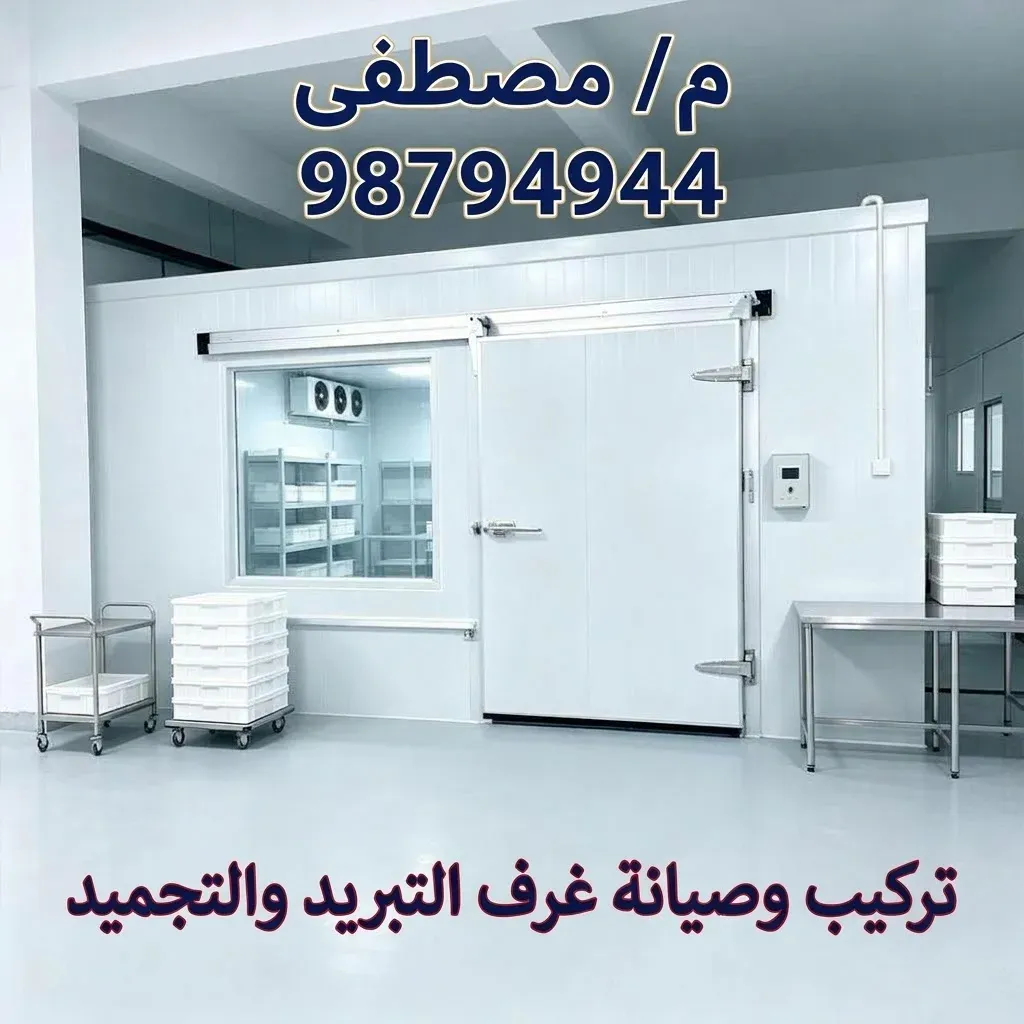
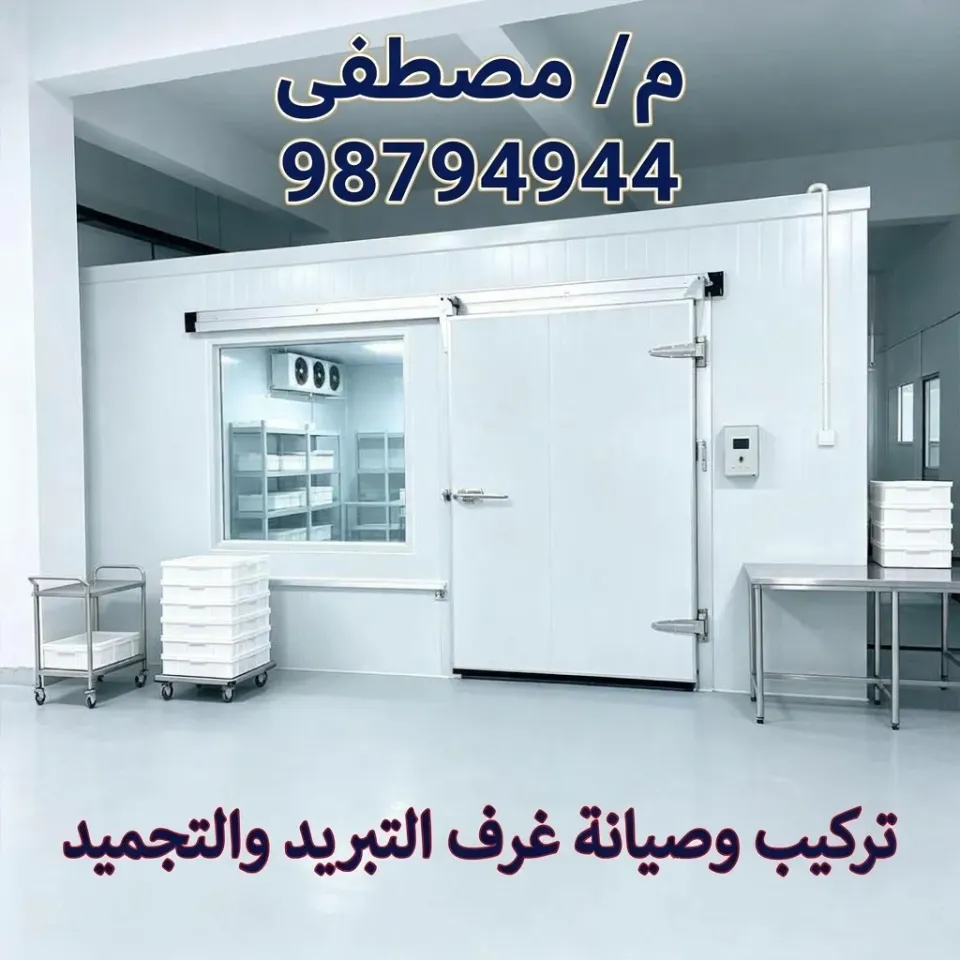
Installing flower cold rooms in Kuwait involves much more than assembling insulation panels and connecting a compressor to cool the room. Natural flowers are delicate products affected by temperature, humidity, airflow, and the way their stems and petals are handled. Cut flowers continue biological processes after harvesting, and wilting and deterioration may accelerate when they are exposed to high temperatures or unsuitable storage conditions. For this reason, the cold room design should reflect the flower varieties, inventory quantities, and handling procedures used in the business.
In smaller flower shops, the requirement may be a refrigerated room capable of accommodating daily bouquets and buckets containing cut flower stems. Larger floral arrangement businesses may need additional storage space to prepare orders for weddings, celebrations, and other events while preserving extra inventory before delivery. Wholesale flower importers have different requirements because shipments may arrive in refrigerated cartons that need suitable arrangement and airflow routes. The temperature of products when they arrive should also be considered during the planning process.
Essential Components of a Flower Cold Room
-
Thermal Insulation Panels: These help reduce heat transfer from the surrounding environment into the refrigerated room. Panel thickness and insulation material should be selected according to site conditions and the required operating temperature.
-
Compressor and Condensing Unit: Refrigeration capacity should be determined according to the calculated cooling load, including room dimensions, stored products, door-opening frequency, and surrounding environmental conditions.
-
Evaporator and Air Circulation Fans: These help cool the room and distribute refrigerated air, while avoiding strong airflow directed straight at flower petals and stems.
-
Thermostat and Control System: These regulate operating temperature and manage the refrigeration equipment.
-
Temperature and Humidity Sensors: These monitor storage conditions and help identify unusual changes in the refrigerated environment.
-
Insulated Doors: These reduce warm air infiltration and help maintain stable internal conditions.
-
Shelving and Storage Platforms: These organize bouquets, containers, and buckets while making movement and cleaning more convenient.
-
Electrical and Drainage Equipment: These should be installed according to the intended use of the room, equipment requirements, and relevant safety considerations.
Is a Flower Cold Room Different from a Beverage Refrigerator?
Yes. Some beverage refrigerators use relatively strong airflow to distribute cold air, which may increase moisture loss from sensitive flowers.
Storage equipment intended for cut flowers should consider not only temperature and humidity but also air velocity and the positioning of stems and petals.
These factors help reduce the likelihood of dehydration and damage while the flowers remain in refrigerated storage.
Does Every Flower Shop Need a Large Cold Room?
Not necessarily. The appropriate room size depends on the maximum inventory quantity, the type of flower business, the number of daily orders, and how flowers are stored before and after arrangement.
Some shops may only need a suitable refrigerated display or storage unit, while larger businesses require a walk-in cold room where employees can enter and organize products.
What Information Is Required Before Installing the Cold Room?
You should identify the main flower varieties, the expected number of bouquets, buckets, and cartons, the intended storage duration, and the methods used for receiving and distributing products.
The available installation dimensions should also be provided.
The key consideration: A suitable flower cold room should support the characteristics of the flowers and the shop's operations rather than simply providing an available refrigerated space.
Cut Flower Storage Temperatures: What Is the Right Temperature for Each Variety?
Selecting the correct storage temperature for cut flowers is one of the most important decisions when preparing a flower cold room. Different flower varieties have different temperature requirements, which can directly influence the quality of their petals and stems and how well they remain in good condition during storage. Most temperate-climate cut flowers, including roses, carnations, and chrysanthemums, benefit from low storage temperatures close to freezing under suitable conditions. However, certain tropical flowers may suffer chilling injury when exposed to excessively low temperatures.
One common mistake is setting a flower cold room to one temperature and placing every flower variety inside without checking its individual requirements. A temperature suitable for roses may be inappropriate for anthuriums or heliconias because these tropical flowers generally require warmer storage conditions to avoid chilling damage. It is therefore preferable to identify the main varieties handled by the business and divide them into compatible storage groups before approving the refrigeration controller settings.
Recommended Storage Temperatures for Selected Cut Flowers
|
Flower Variety |
Approximate Storage Temperature |
Storage Considerations |
|
Cut roses |
Approximately 0–2°C |
Suitable for cold storage while preventing freezing |
|
Carnations |
Approximately 0–2°C |
Require appropriate humidity and hygienic handling |
|
Chrysanthemums |
Approximately 0–1°C |
Quality depends on handling and flowering stage |
|
Tulips |
Approximately 0–2°C |
Growth stage and storage method should be considered |
|
Cut lilies |
Approximately 0–2°C for certain varieties |
Requirements vary according to variety and development stage |
|
Anthuriums |
Approximately 10–12°C |
Sensitive to excessive chilling |
|
Heliconias |
Approximately 10–13°C or warmer for certain varieties |
Require warmer storage than temperate flowers |
|
Bird-of-paradise flowers |
Approximately 10–12°C |
May suffer damage from excessively low temperatures |
Technical note: These temperatures are general guidelines rather than universal settings for every variety. Suitable conditions may differ according to flower type, opening stage, storage duration, packaging method, and supplier instructions.
Why Do Cut Roses Benefit from Low Storage Temperatures?
Cut roses are among the flowers that can benefit from suitably low storage temperatures because cooler conditions slow respiration and certain processes associated with deterioration and moisture loss.
However, the cold room should be designed to prevent flowers from reaching unsuitable freezing temperatures while maintaining appropriate humidity and airflow conditions.
Can Tropical Flowers Tolerate the Same Temperature as Roses?
No. Certain tropical flowers, including anthuriums, heliconias, and bird-of-paradise flowers, may develop chilling injuries when exposed to excessively low temperatures.
These injuries may include petal discoloration, spotting, or deterioration in texture. Such varieties therefore require different storage conditions from many temperate-climate flowers.
Does Lowering the Temperature Further Keep Flowers Fresh for Longer?
Not always. The most suitable temperature is one that provides effective cooling without exposing a particular flower variety to freezing or chilling injury.
Storage duration and product characteristics must also be considered.
It is therefore not advisable to lower the controller setting randomly on the assumption that colder conditions will preserve every flower variety more effectively.
How Should a Shop Handle Different Flower Varieties?
The preferable approach is to classify flowers according to their temperature requirements.
Some tropical varieties may need a separate cold room or storage unit with warmer conditions.
If several varieties must be stored in the same room, the arrangement should be based on compatible storage requirements rather than operational convenience alone.
Before setting the temperature of your flower cold room, prepare a list of your most frequently sold varieties. Flower type is the foundation for selecting suitable storage conditions.
Flower Cold Room Humidity Control: How to Prevent Wilting and Dry Petals
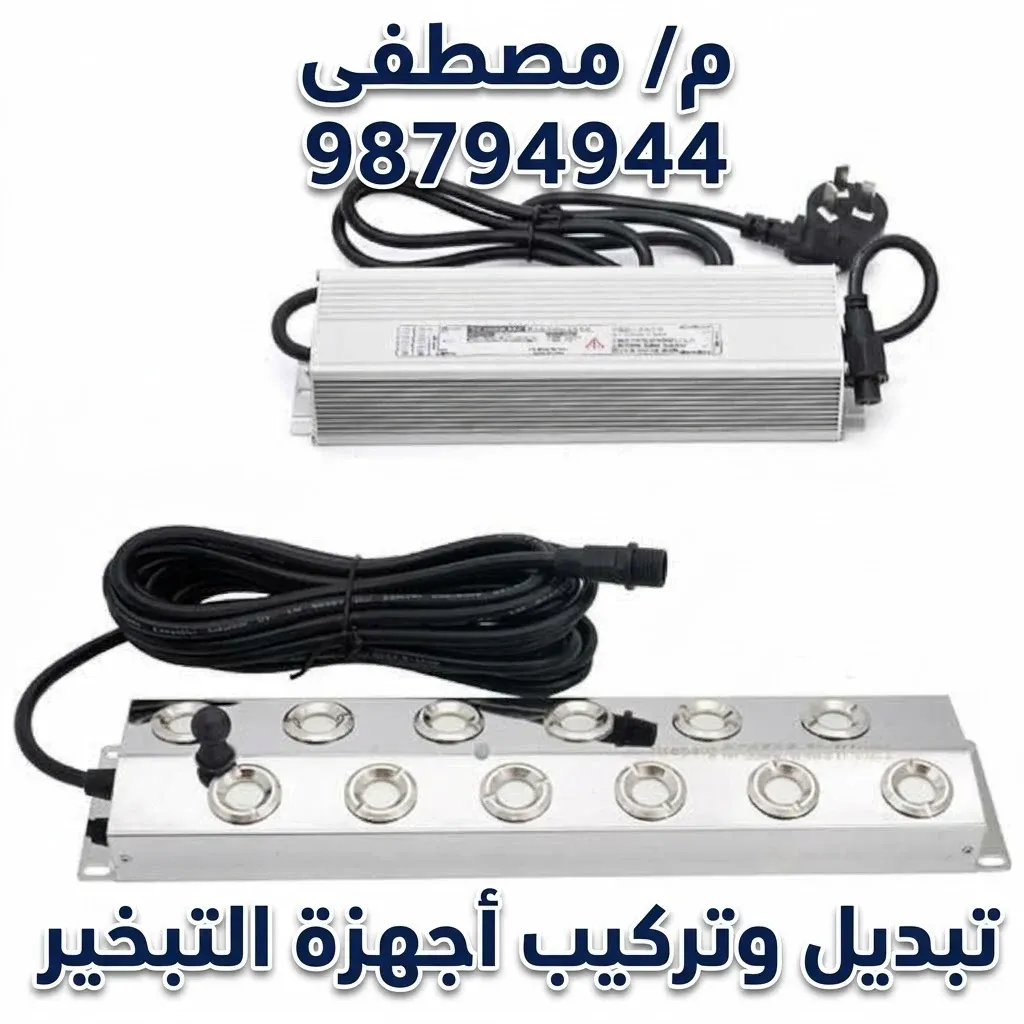
Controlling humidity inside a flower cold room is just as important as maintaining the correct temperature because cut flowers lose water through their stems, leaves, and petals. Wilting or loss of firmness may occur when water loss becomes faster than the flower's ability to replace moisture. Many cut flower varieties therefore benefit from relatively high humidity during refrigerated storage, provided excessive condensation does not form on petals, packaging, or surrounding surfaces.
One problem experienced by certain flower shops is that their storage room is cold, but the air remains too dry or circulation fans direct strong airflow toward the flowers. Petal edges may begin to dry even though the temperature displayed on the controller appears suitable. Conversely, excessively high humidity accompanied by condensation, standing water, or inadequate cleaning may contribute to fungal problems affecting certain flower varieties. Temperature, humidity, and airflow should therefore be managed as interconnected factors rather than separate settings.
What Relative Humidity Is Suitable for a Flower Cold Room?
Postharvest flower storage references indicate that relative humidity close to 90% is suitable for many cut flowers.
Some guidelines recommend a range of approximately 90–95% under certain refrigerated storage conditions.
However, the appropriate level depends on the flower variety, whether it is stored in water-filled buckets or dry packaging, the intended storage duration, and the refrigeration system.
What Happens When Humidity Is Too Low?
Unsuitably low humidity may increase water loss from flowers and leaves, leading to dehydration, wilting, or reduced firmness.
Some delicate petals may be affected more severely than others, particularly when exposed to strong direct airflow.
Can Excessively High Humidity Cause Problems?
Yes, particularly when high humidity is accompanied by continuous condensation, inadequate cleaning, or inappropriate moisture accumulation on flowers.
It is important to distinguish between maintaining suitable humidity in the air and allowing liquid water to collect on petals and other surfaces.
How Can Humidity Be Controlled?
-
Select a refrigeration system suitable for the characteristics of the stored flowers.
-
Use temperature and humidity sensors that can be checked and calibrated.
-
Avoid exposing flowers directly to strong air circulation fans.
-
Maintain effective door sealing to reduce outdoor air infiltration.
-
Review the quantity and condition of water in flower storage buckets.
-
Clean floors and surfaces and provide suitable drainage.
-
Monitor condensation on walls, ceilings, and packaging.
-
Evaluate the need for additional humidification equipment according to actual operating conditions.
Does a Flower Cold Room Require a Separate Humidifier?
Not necessarily. Some flower cold rooms can maintain suitable humidity through the refrigeration system design and the presence of flowers stored in water-filled buckets.
Other projects may require additional equipment after evaluating actual humidity readings and operating conditions.
Can High Humidity Replace Proper Flower Water Management?
No. Humidity can help reduce moisture loss, but it does not replace the need for clean water and suitable stem treatments according to supplier recommendations.
Buckets should be cleaned, and water or flower preservation solutions should be replaced according to procedures appropriate for the flower variety.
If your flowers wilt despite suitable refrigeration temperatures, review humidity, air velocity, water cleanliness, and stem condition before changing the controller settings.
Preparing a Natural Flower Storage Warehouse: Insulation, Shelving, and Airflow
Preparing a refrigerated warehouse for natural flowers requires a layout that accommodates bouquets, buckets, and cartons. Flowers differ from rigid packaged products because their petals need protection against pressure and overcrowding, while their stems must be arranged safely. Employee movement inside the warehouse also deserves attention, particularly in businesses that receive frequent shipments or prepare a large number of orders every day.
The installation location and shelving layout should be determined before construction begins. A warehouse may have sufficient floor area but still become difficult to use if its door is too narrow or the evaporator is positioned directly above a sensitive storage section. Such arrangements may obstruct movement or expose bouquets to unwanted airflow. The preferred approach is therefore to assess the space, movement routes, and product organization as one integrated design rather than purchasing equipment components separately without considering their interaction.
Choosing Thermal Insulation Panels
Sandwich insulation panels are commonly used in commercial cold room construction. Their specifications vary according to the insulation material, panel thickness, surface finish, and installation method.
The appropriate panels should be selected based on operating temperature, surrounding conditions, and hygiene requirements.
Joints and corners should also be carefully sealed to help prevent unwanted air and moisture infiltration.
Choosing the Right Flower Cold Room Door
The door should accommodate employee movement and the buckets and trolleys used to transport flowers.
A hinged door may suit some smaller flower shops, while larger operations may need a different door configuration or wider opening to support product movement.
The selection should reflect actual operating requirements.
Arranging Shelving Inside the Warehouse
Shelving should allow bouquets and containers to be stored without excessive pressure or overcrowding.
Employees should have enough space to reach and inspect flowers conveniently.
Shelving materials, permitted load capacity, and ease of cleaning must also be considered, especially when water-filled containers are used.
Why Is Evaporator Location Important?
The evaporator cools and circulates air throughout the cold room.
However, strong airflow directed toward bouquets may increase moisture loss from certain flower varieties.
The evaporator location and storage layout should therefore be selected according to the room design and the characteristics of the stored flowers.
Does the Flooring Require Special Preparation?
When a room contains water-filled buckets or undergoes frequent cleaning, the floor finish, slip resistance, and water management arrangements should be reviewed.
Drainage requirements should be considered as part of the room design, avoiding openings or modifications that may compromise thermal insulation.
The Importance of Warehouse Cleanliness
Plant debris, fallen petals, and dirty water may contribute to microbial contamination and affect flower quality.
The storage room therefore requires an appropriate cleaning program covering surfaces, buckets, shelving, floors, and locations where water may accumulate.
A successful flower warehouse design should combine appropriate cooling, convenient movement, organized bouquet storage, and effective cleaning procedures.
Wholesale Imported Flower Cold Rooms: How to Preserve Shipments After Arrival
A cold room for imported wholesale flowers must accommodate the receiving, storage, and distribution requirements of commercial flower shipments. Imported flowers may pass through several transportation stages before arriving in Kuwait. Some shipments arrive in cartons that have already been refrigerated, while others may have experienced transportation delays or unsuitable temperatures during unloading. It is therefore important to evaluate the products when they arrive rather than assuming that placing them in a cold room can reverse any deterioration that occurred earlier.
Wholesale flower businesses often need to receive substantial quantities within a short period and then distribute them to retail flower shops or event decoration companies. This activity requires suitable movement aisles, organized carton storage, and arrangements that protect products against crushing or damage. The project should also consider whether incoming flowers require additional precooling before longer storage periods.
Inspecting Flower Shipments Upon Arrival
It is preferable to examine cartons and flowers for visible damage, excessive condensation, or signs of wilting.
If temperature records accompany the shipment, reviewing them can help clarify transportation conditions and support the assessment of product quality before storage.
Can a Storage Cold Room Cool Warm Flower Cartons Quickly?
Not always. Some cold rooms are designed primarily to maintain the temperature of products that have already been cooled.
When a large shipment arrives at an elevated temperature, additional refrigeration capacity or suitable precooling procedures may be necessary depending on shipment size and flower varieties.
Arranging Flower Cartons Inside the Cold Room
-
Avoid stacking cartons in ways that place excessive pressure on flowers.
-
Follow supplier instructions regarding carton orientation.
-
Maintain suitable air circulation routes.
-
Separate damaged products from healthy flowers.
-
Organize shipments according to receiving date and product condition.
-
Avoid placing cartons directly in front of the evaporator.
-
Maintain access for inventory checks and distribution.
-
Keep storage areas clean and prevent plant debris from accumulating.
How Does Ethylene Affect Flower Quality?
Ethylene is a gas that can influence the aging processes of certain cut flowers.
Different flower varieties have different levels of sensitivity.
Carnations, for example, can be particularly sensitive to ethylene exposure. Sensitive flowers should therefore be protected against unsuitable ethylene sources, including some ripening fruits and combustion exhaust gases.
Can Flowers and Fruit Be Stored in the Same Cold Room?
Generally, this is not the preferable arrangement because certain ripening fruits produce ethylene, which may negatively affect sensitive flowers.
Fruit and flowers can also have different temperature and humidity requirements.
Separate storage should therefore be considered when products are not compatible.
Maintaining the Cold Chain
Receiving, storage, loading, and distribution activities should be organized to minimize the time flowers spend exposed to high temperatures.
In Kuwait, particularly during summer, leaving shipments in a hot unloading area for extended periods can reduce product quality even when the refrigerated storage room itself is operating properly.
If you import wholesale flowers, provide the expected shipment quantities, carton dimensions, and receiving schedules when requesting a cold room design. This information helps determine suitable capacity and refrigeration loads.
Installing Fresh Flower Bouquet Storage Rooms for Floral Arrangement and Event Businesses
Installing a refrigerated storage room for fresh flower bouquets requires consideration of how bouquets are prepared and how long they remain in storage before delivery. Wedding and event floral decoration businesses differ from ordinary daily retail operations because they may need to prepare large numbers of bouquets within a specific period. The storage room must help maintain their appearance and arrangement while allowing convenient movement from the refrigerated area to the event location.
One challenge faced by some floral design businesses is that a room may have sufficient space for separate flower stems but not enough space for completed bouquets, especially when their packaging, decorations, or supporting bases require additional room. The final dimensions of finished arrangements and their storage methods should therefore be considered rather than calculating capacity exclusively from the number of individual stems.
Are Finished Bouquets Stored in the Same Way as Unarranged Flowers?
This depends on the flower varieties, packaging materials, stem support methods, and intended storage duration.
Some finished bouquets can be preserved under conditions suitable for their component flowers.
However, arrangements containing several varieties may have limitations because their components do not always share identical temperature requirements.
How Should Flower Bouquets Be Organized Inside the Cold Room?
-
Allocate dedicated positions for completed bouquets.
-
Leave enough space to prevent pressure on petals.
-
Consider bouquet height and packaging dimensions.
-
Secure containers to prevent them from falling.
-
Avoid placing bouquets directly in strong air streams.
-
Create a designated area for orders approaching delivery.
-
Organize arrangements according to event schedules.
-
Inspect flower condition before dispatch.
Preserving Flowers Before Weddings and Large Events
During wedding seasons, graduation celebrations, holidays, and other occasions, floral design companies may need to prepare multiple orders over a short period.
It is therefore important to estimate the expected number of bouquets and review receiving and delivery schedules.
The cold room should accommodate the products without overcrowding or unsuitable loading arrangements.
Can Every Type of Bouquet Be Stored in the Same Cold Room?
Not necessarily.
If a bouquet contains temperate-climate roses alongside tropical flowers that are sensitive to chilling, suitable storage conditions must be evaluated for all components.
Certain packaging materials and decorative accessories may also be affected by humidity or condensation.
Their characteristics should therefore be considered during storage planning.
Does Refrigeration Preserve Bouquet Appearance After Delivery?
A cold room helps maintain suitable storage conditions while bouquets remain inside it.
However, their condition after removal also depends on transportation methods, packaging, heat exposure, and the time between preparation and delivery.
The delivery process should therefore be organized to avoid leaving bouquets in hot vehicles without suitable temperature protection.
If your business specializes in event floral arrangements, design the cold room according to the maximum number of bouquets expected during peak demand, taking different bouquet sizes and storage arrangements into account.
Determining Flower Shop Cold Room Capacity: Suitable Dimensions and Cooling Load Calculations
Determining the appropriate cold room capacity for a flower shop begins with estimating the maximum inventory expected during peak demand rather than relying exclusively on average daily sales. A shop may operate with limited inventory on ordinary days but receive several times that quantity during seasonal celebrations or before major events. The storage area must therefore accommodate product movement and suitable preservation conditions without overcrowding that could damage flowers or prevent employees from reaching them.
Floor area alone does not provide a complete picture of actual storage capacity. Bouquet height, bucket dimensions, carton sizes, aisles, door locations, and evaporator positioning all influence how effectively a room can be used. A space intended for separate flower stems may also require a different layout from one designed for finished bouquets or imported flower cartons.
Approximate Cold Room Dimensions for Flower Shops
|
Cold Room Dimensions |
Floor Area |
Potential Application |
|
2 × 2 metres |
4 square metres |
Small flower shop with limited inventory |
|
2 × 3 metres |
6 square metres |
Medium-sized shop or daily bouquet storage |
|
3 × 3 metres |
9 square metres |
Larger flower shop with space for bucket arrangements |
|
3 × 4 metres |
12 square metres |
Event floral business with medium-sized inventory |
|
4 × 5 metres |
20 square metres |
Flower warehouse or larger floral design business |
|
5 × 6 metres |
30 square metres |
Wholesale warehouse requiring a more extensive layout |
These dimensions are illustrative examples for comparison only. They are not final engineering recommendations or evidence of a fixed number of bouquets that can be stored.
What Information Is Required to Determine Capacity?
-
The main flower varieties handled by the shop.
-
The expected number of bouquets, buckets, and cartons.
-
Finished bouquet dimensions, including packaging.
-
The height of containers and shelving.
-
The number of shipments received each week.
-
The length of time products remain in storage.
-
The method used to move flowers inside the room.
-
Available room dimensions and internal height.
-
Potential expansion of event-related business activities.
Does Storage Capacity Determine Compressor Power?
Capacity is one of the factors, but it is not the only consideration.
The calculation should include heat transfer from outside, heat contained in products, air entering when doors are opened, and internal equipment loads.
Requirements may also differ depending on whether flowers arrive already refrigerated or require additional cooling after receiving.
Is a Smaller Cold Room Always More Economical?
Smaller cold rooms generally require fewer structural materials, but the final price does not necessarily decrease in the same proportion as the floor area.
Essential equipment is still required in every project.
A room that is too small may also create overcrowding and increase the risk of bouquet damage during handling. Conversely, a substantially oversized room may increase initial investment without delivering corresponding operational benefits.
Custom Flower Cold Rooms Based on Inventory Quantity
Customizing a flower cold room according to inventory quantities allows the dimensions and internal layout to match business operations rather than depending on a prefabricated room size that may not use the available space effectively.
The final design should follow an assessment of the site, inventory, flower characteristics, and potential expansion requirements.
Before requesting a quotation, prepare the available dimensions and estimate the maximum number of bouquets, buckets, and cartons you expect to store during peak periods. This helps determine specifications that reflect your actual needs.
Flower Shop Cold Room Prices and Floral Arrangement Business Refrigeration Costs in Kuwait
How much does a cold room for a flower shop cost in Kuwait? There is no fixed price suitable for every project because the final cost depends on room dimensions, internal height, required temperature, insulation materials, compressor and evaporator specifications, control systems, humidity requirements, doors, shelving, and installation work. Even two rooms with identical floor areas may have different prices because their equipment, operating methods, and additional installation requirements are not the same.
When evaluating the cost of a cold room for a floral arrangement business, you should consider operating conditions and seasonal demand. Some businesses need space for completed bouquets and several flower varieties, while others store loose stems in buckets or imported flowers inside cartons. The need for temperature and humidity monitoring equipment, electrical modifications, or specialized flooring may also influence total costs. It is therefore preferable to request a technical quotation that clearly identifies all included work.
Main Factors Affecting Flower Cold Room Installation Prices
|
Cost Factor |
Effect on the Price |
|
Room length, width, and height |
Determines insulation quantities and refrigerated volume |
|
Insulation material and thickness |
Affects structural costs and thermal efficiency |
|
Compressor and condensing unit |
Depends on refrigeration load and operating temperature |
|
Evaporator and air distribution |
Determined by room capacity and flower characteristics |
|
Controller and sensors |
Varies according to control and monitoring capabilities |
|
Humidity management equipment |
Additional equipment may be required |
|
Door type |
Depends on dimensions and operating methods |
|
Shelving and storage platforms |
Varies according to quantity, materials, and load capacity |
|
Flooring and drainage |
Depends on cleaning and operating requirements |
|
Electrical work and pipework |
Influenced by equipment locations and installation distances |
|
Testing and commissioning |
Depends on the agreed scope of work |
Does the Price per Square Metre Include the Compressor and Installation?
Not necessarily.
Some quotations cover the insulated structure only, while others include refrigeration equipment, doors, and installation work.
The complete list of included components should therefore be reviewed before comparing prices or accepting a proposal.
Are Flower Cold Rooms More Expensive Than Ordinary Cold Rooms?
Costs may differ if the project needs specialized humidity arrangements, different airflow conditions, or additional monitoring equipment.
However, it is not possible to establish a fixed price difference because the final technical specifications vary from one project to another.
How Can You Obtain a Suitable Price?
Begin by identifying the available space, flower varieties, inventory quantities, and storage arrangements.
Then request a quotation explaining the refrigeration equipment, insulation, doors, controllers, shelving, and electrical work.
If you receive several quotations, compare technical specifications and included services rather than focusing exclusively on the final amount.
Can Installation Costs Be Reduced Without Affecting Flower Preservation?
Costs may be managed by choosing dimensions that match actual inventory, arranging shelving efficiently, and defining the required installation work before the project begins.
However, reducing expenses by compromising thermal insulation, selecting insufficient refrigeration capacity, or ignoring humidity and airflow requirements is not advisable.
Request a Flower Cold Room Installation Quotation
If you operate a flower shop or floral arrangement business and want to understand the cost of a suitable cold room, prepare the available dimensions, flower varieties, and expected inventory quantities.
You can inquire about installation solutions through the official website of Cold Room and Display Refrigerator Maintenance.
Flower Cold Room Installation Steps: From Site Inspection to Commissioning
Installing a flower cold room involves a structured process that begins with understanding the business before purchasing refrigeration equipment. Cut flower storage requires an assessment of temperature, humidity, airflow velocity, bouquet and carton arrangements, and door-opening frequency. The site, inventory, and intended operating procedures should therefore be evaluated together to ensure the room is suitable for daily activities and does not become difficult to use.
In Kuwait, the location of the condensing unit and its surrounding ventilation conditions are also important, particularly when equipment will be installed outdoors and exposed to high temperatures. Electrical connections, refrigeration pipework, and maintenance access should be considered. Doors and movement aisles must allow buckets and bouquets to be transported without damaging flowers or interrupting operations.
Site Inspection and Dimension Measurements
The first stage involves measuring the room length, width, and height, then reviewing flooring, doors, movement routes, and proposed equipment locations.
Surrounding temperature conditions, pipework arrangements, and future maintenance access should also be assessed.
Identifying Flower Varieties and Storage Methods
The main flower varieties, inventory quantities, receiving schedules, and required storage periods are identified.
The project should also establish whether the space will be used for finished bouquets, loose stems in buckets, or imported flower cartons.
Calculating the Refrigeration Load
The refrigeration load calculation includes heat transferred through insulation, outdoor air infiltration, heat from incoming products, internal equipment loads, and repeated door opening.
Equipment capacity should be selected according to these factors rather than floor area alone.
Preparing the Technical Design
The design should identify room dimensions, insulation specifications, compressor capacity, evaporator arrangements, doors, shelving, controllers, and sensors.
Required humidity conditions and airflow arrangements should also be evaluated according to the characteristics of the flowers.
Preparing the Quotation
A suitable quotation should clearly identify equipment, materials, and installation services included in the project, together with exclusions or additional requirements.
Warranty and maintenance conditions should also be reviewed before approval.
Preparing the Site and Installing Panels
The site is prepared, and thermal insulation panels, sealed joints, and doors are installed according to the approved design.
Installation quality is important for limiting unwanted air and moisture infiltration.
Installing Refrigeration and Control Equipment
Qualified technicians install compressors, evaporators, pipework, and controllers according to manufacturer instructions and applicable safety requirements.
Inspection and Trial Operation
Technical checks should verify the condition of connections and refrigeration circuits, the operation of controllers and sensors, and the system's ability to reach the required storage conditions.
However, successful operation of an empty room does not, by itself, demonstrate performance under the maximum inventory load expected during peak periods.
Handover and Operating Instructions
The handover should include instructions on monitoring temperature and humidity, cleaning equipment, and responding to alarms or unusual operating conditions.
Test results and the agreed service conditions should also be reviewed.
Before accepting your flower cold room installation, verify that the equipment and dimensions match the written specifications and that the airflow distribution and storage conditions are appropriate for your main flower varieties.
Why Choose Cold Room and Display Refrigerator Maintenance? Common Mistakes to Avoid
Choosing a provider to install a flower cold room should involve reviewing technical specifications, project costs, and the scope of services. The installation will be used to preserve delicate products that may deteriorate rapidly when stored or handled incorrectly. Flower shop owners and floral business operators should therefore understand which equipment is required, what work is included, and how system performance will be reviewed before approving the project.
Through Cold Room and Display Refrigerator Maintenance in Kuwait, you can begin by inquiring about commercial cold room installation solutions and explaining your business activity, available dimensions, flower varieties, and inventory quantities. The purpose is to base the request on clear information that helps identify suitable technical options. Service scope, equipment specifications, and warranty conditions should be confirmed before signing an agreement.
What Criteria Should You Review When Choosing an Installation Service?
|
Evaluation Criteria |
Benefit for the Business |
|
Identifying flower varieties |
Helps select suitable storage temperatures |
|
Refrigeration load calculations |
Clarifies equipment requirements |
|
Insulation specifications |
Helps evaluate the suitability of the structure |
|
Air distribution |
Reduces exposure to unsuitable air streams |
|
Humidity monitoring |
Helps identify dehydration and condensation risks |
|
Shelving arrangements |
Supports organized storage and employee movement |
|
Detailed quotation |
Clarifies included equipment and installation work |
|
Commissioning tests |
Helps evaluate performance before handover |
|
Warranty conditions |
Explains coverage and responsibilities |
|
Maintenance arrangements |
Supports ongoing operational planning |
Mistake One: Storing Every Flower Variety at the Same Temperature
Temperate-climate flowers and tropical flowers have different tolerances for low temperatures.
Compatibility between varieties should therefore be established before choosing one shared operating temperature.
Mistake Two: Focusing on Cooling While Ignoring Humidity
A room may be cold while flowers still become dehydrated because humidity is unsuitable or airflow is excessively strong.
The appropriate solution is to assess storage conditions together rather than relying exclusively on temperature readings.
Mistake Three: Directing Evaporator Airflow Straight at Bouquets
Strong airflow may increase moisture loss from certain flowers and affect the appearance of petals and leaves.
Evaporator positioning and storage layouts should therefore be designed appropriately.
Mistake Four: Neglecting Bucket and Water Cleanliness
Dirty water and accumulated plant debris may affect flower preservation even when the storage temperature is suitable.
Buckets and surrounding surfaces should be cleaned regularly, and care instructions for each flower variety should be followed.
Mistake Five: Storing Flowers Near Ethylene-Producing Products
Certain ripening fruits and combustion sources may release ethylene, a gas that accelerates the aging of some flower varieties.
Sensitive flowers should therefore be protected against unsuitable ethylene sources.
Mistake Six: Choosing a Cold Room That Is Too Small During Peak Seasons
A room may accommodate normal daily inventory but become insufficient during holidays and special events.
Storage capacity should therefore be evaluated according to peak demand rather than average daily operations alone.
Mistake Seven: Ignoring Preventive Maintenance
Poor door sealing, dirty condensers, or sensor problems may affect cold room performance.
Routine monitoring and maintenance can help identify issues before they develop into more serious faults that affect inventory.
Does the Company Provide an Installation Warranty?
This depends on the conditions of the agreed quotation.
It is important to request written clarification of warranty duration, covered equipment and installation work, and any exclusions.
A comprehensive warranty or a guaranteed emergency response time should not be assumed unless officially confirmed.
How Can You Begin Requesting the Service?
Prepare the available site dimensions, main flower varieties, number of bouquets or cartons, and expected storage duration.
You can then request a quotation explaining the technical specifications, installation costs, and included services.
If you want a cold room that helps organize your flower inventory and maintain product quality, begin by identifying your business requirements and choosing equipment suited to your daily operations.
Frequently Asked Questions About Flower Cold Rooms in Kuwait
What Is the Suitable Temperature for a Natural Flower Cold Room?
Many temperate-climate cut flowers, including roses and carnations, benefit from storage temperatures of approximately 0–2°C, depending on the variety and storage conditions.
Certain tropical flowers, such as anthuriums and heliconias, may require temperatures around 10–13°C or warmer depending on the species to avoid chilling injuries.
How Much Does Flower Shop Cold Room Installation Cost in Kuwait?
The cost depends on room dimensions, internal height, insulation materials, compressor capacity, evaporator specifications, controllers, humidity equipment, shelving, doors, and installation work.
For an accurate quotation, provide the project details and request a comprehensive technical proposal.
What Relative Humidity Is Suitable for Natural Flower Storage?
Relative humidity close to 90% is suitable for many cut flowers, while some references recommend approximately 90–95% for certain storage conditions.
However, the final humidity requirement depends on flower variety, storage method, and duration. Excessive condensation should also be avoided.
Can Roses and Tropical Flowers Be Stored in the Same Cold Room?
Generally, this is not the preferable arrangement.
Roses can be stored at relatively low temperatures, while some tropical flowers are sensitive to excessive chilling.
It is better to classify products according to their storage requirements and consider separate rooms or equipment when necessary.
How Do I Determine the Right Cold Room Size for My Flower Shop?
The appropriate dimensions depend on the maximum number of bouquets, buckets, and cartons, product sizes, internal height, movement aisles, shelving arrangements, and intended storage duration.
The room should not be selected according to floor area alone without evaluating actual inventory requirements.
Conclusion: Request a Flower Cold Room That Matches Your Business and Budget in Kuwait
Choosing flower cold rooms in Kuwait with suitable temperatures, humidity conditions, and installation specifications requires evaluating the characteristics of the flowers being stored, the temperature and humidity requirements of each variety, bouquet arrangements, shipment movement, and the intended storage period. The most appropriate cold room is not necessarily the largest or most expensive. It is the one that provides suitable preservation conditions while allowing the inventory to be organized in ways that support daily business operations.
Whether you are researching flower shop cold room prices, planning a natural flower storage warehouse, or evaluating the cost of a cold room for a floral arrangement business, planning the project before installation helps you choose appropriate dimensions and refrigeration equipment while avoiding unnecessary modifications and expenses.
Through Cold Room and Display Refrigerator Maintenance in Kuwait, you can inquire about flower cold room solutions for retail shops, warehouses, and event floral businesses. By explaining your operating requirements, you can obtain information about available technical options and their related installation costs.
Do you own a flower shop or floral arrangement business and want to know how much a suitable cold room will cost?
Prepare the available site dimensions, flower varieties, number of bouquets and cartons, and required storage duration.
Request a detailed quotation explaining the insulation, compressor, controller, humidity requirements, shelving, and included installation work.