Small Cold Room Installation Costs in Kuwait for Grocery Stores
·
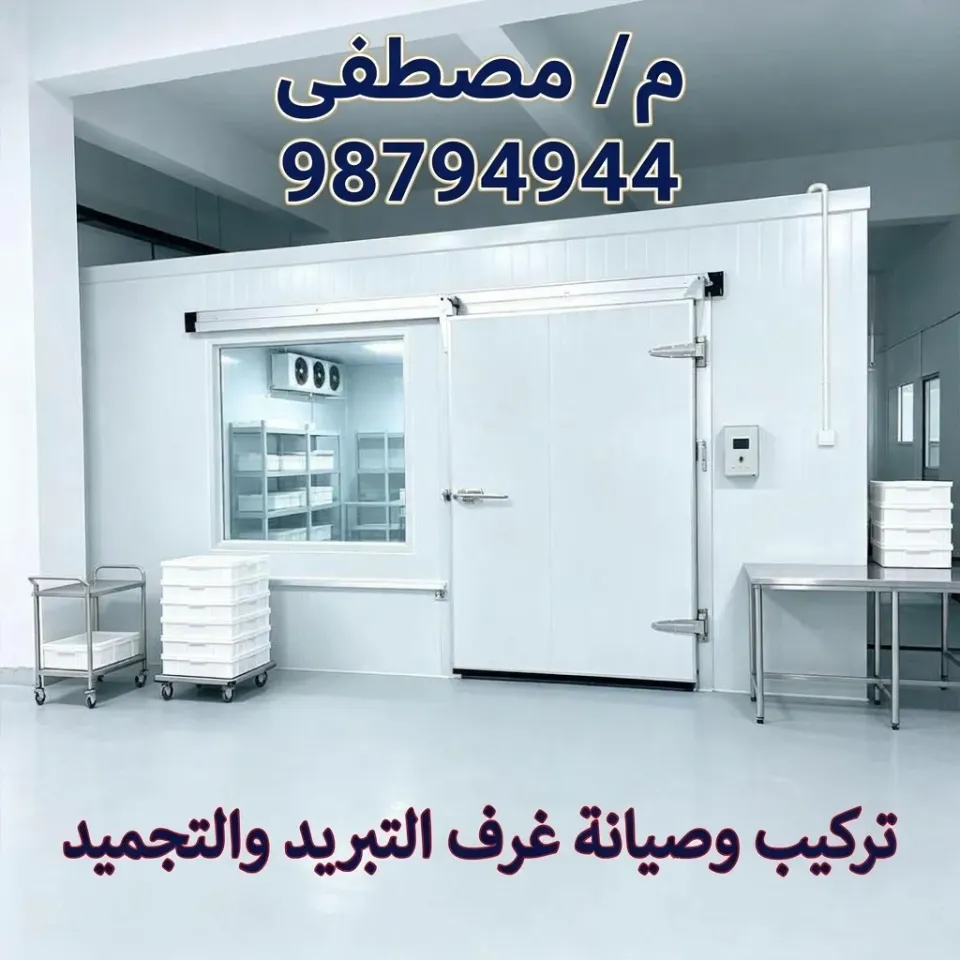
Small Cold Room Installation Costs for Grocery Stores in Kuwait
If you own a grocery store or minimarket in Kuwait and struggle with limited refrigerator space or the increasing number of beverage and dairy cartons that require refrigerated storage, you are probably looking for a practical solution that provides additional storage capacity while maintaining suitable product temperatures.
Before making a decision, however, you need to understand the cost of installing a small cold room for grocery stores and retail shops, the equipment required, and whether your premises have sufficient space for a functional refrigerated storage area.
Installation costs vary according to the available dimensions, shelving arrangement, insulation specifications, refrigeration equipment, and installation location.
In this guide from Cold Room and Display Refrigerator Maintenance, we explain how to choose a cold room suitable for your business, make effective use of limited space, and avoid unnecessary expenses caused by selecting equipment that does not match your actual storage requirements.
1. Installing a Small Cold Room for Grocery Stores in Kuwait: When Is It Necessary?
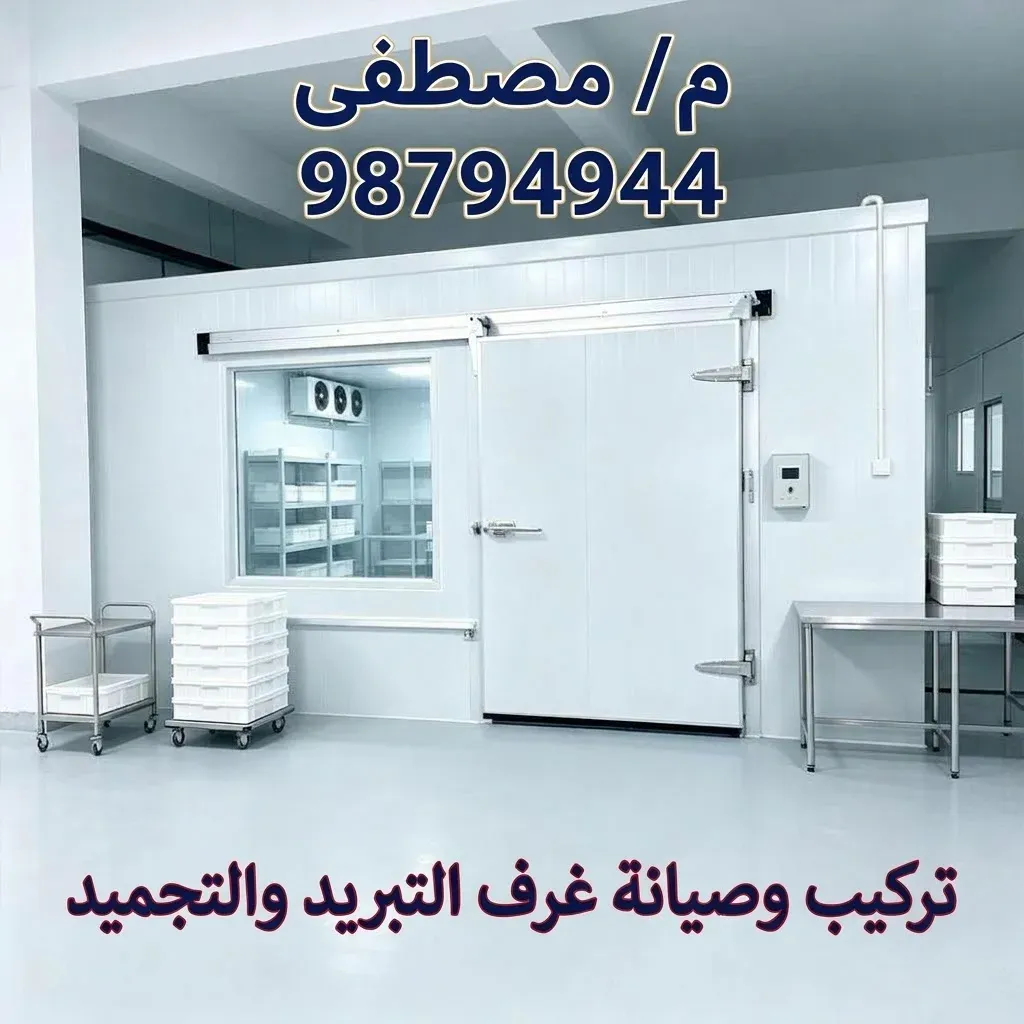
Direct answer: A grocery store may need a small cold room when its refrigerated display cabinets no longer provide enough capacity for backup inventory, or when the business requires an organized refrigerated space to receive and store products before transferring them to display refrigerators.
However, not every grocery store needs a separate cold room. The decision depends on inventory quantities, available premises, sales volume, product characteristics, and operating costs compared with alternative refrigeration solutions.
When Is a Cold Room Better Than Adding Another Display Refrigerator?
A refrigerated display cabinet is primarily designed to present products to customers and make them accessible for purchase. A cold room, on the other hand, provides storage space for additional inventory away from the customer-facing retail area.
If your business regularly receives cartons of beverages and chilled dairy products, you may need a dedicated location to organize surplus stock instead of overcrowding existing display refrigerators.
However, if your inventory is limited and your current refrigeration equipment can accommodate it without overcrowding or compromising temperature performance, adding a suitable display cabinet or improving your existing storage arrangements may be worth considering.
The correct choice depends on how much refrigerated stock your store actually needs to hold and how frequently you replenish the products displayed to customers.
Signs Your Grocery Store May Need Refrigerated Storage
-
Display refrigerators are constantly full: When backup inventory occupies space intended for displayed products, it may reduce product visibility and make merchandise more difficult to organize.
-
Receiving deliveries has become difficult: Several cartons of refrigerated goods arriving simultaneously require suitable storage arrangements so that products are not left outside appropriate temperature conditions for excessive periods.
-
New and older inventory becomes mixed: A separate, organized storage area can help employees monitor product dates and rotate inventory according to expiration dates.
-
Display refrigerators require frequent restocking: Having refrigerated backup inventory near the retail area may make replenishment easier, provided the store layout supports efficient movement.
-
Your product range is expanding: Introducing additional temperature-sensitive products may place greater demands on existing refrigeration equipment, particularly in stores with limited space.
Is a Small Cold Room Suitable for Every Grocery Store?
Some grocery stores mainly sell dry goods, canned products, and other items that do not require refrigeration. Their refrigerated inventory may be relatively limited.
For these businesses, constructing a separate cold room may not represent the most suitable investment.
However, stores with substantial sales of chilled beverages, dairy products, and temperature-sensitive foods may benefit from a dedicated storage area after their requirements have been properly evaluated.
It is also important to remember that food products have different storage requirements.
You should not automatically assume that a single cold room can accommodate every refrigerated product without reviewing its required temperature, humidity conditions, and any necessary separation between product categories.
How Can You Determine Whether a Cold Room Is Worth the Investment?
Start by calculating how much inventory needs to remain refrigerated outside the display cabinets during normal operating periods and times of increased demand.
Next, compare the estimated cost of a dedicated cold room with the cost of installing additional refrigeration appliances.
This comparison should consider electricity consumption, maintenance, the space occupied by equipment, and how conveniently employees can access stored products.
The goal is not to install a cold room simply because other grocery stores have one. It is to choose a storage solution that genuinely supports the size and operating requirements of your business.
Technical guidance from Danfoss explains that refrigeration applications in grocery stores and smaller retail establishments should account for product movement, door-opening frequency, and storage accessibility rather than selecting refrigeration equipment solely according to room volume.
2. Cost of Equipping a Small Cold Room for a Retail Store
When asking about the cost of equipping a cold room for a small shop, it is important to distinguish between the price of an insulated room structure and the cost of a complete refrigeration system ready for operation.
Some quotations focus on insulation panels and doors, while your business may require a complete installation that includes refrigeration equipment, controls, connecting pipework, electrical systems, and commissioning.
One important consideration is that a small cold room does not necessarily cost proportionally less simply because its dimensions are compact.
Certain essential components are required regardless of the room's size.
Cost of Insulation Panels, Walls, and Ceiling Construction
Insulation panels are among the most important components affecting project costs because they help limit heat transfer from the surrounding store into the refrigerated room.
Their price depends on the insulating material, thickness, surface finish, and methods used to connect and seal the panels.
In small grocery stores, a cold room may be positioned against existing building walls.
However, the presence of a wall does not automatically mean that it provides sufficient thermal insulation.
The construction arrangement must be assessed carefully to avoid unnecessary heat gain or moisture-related problems resulting from unsuitable materials.
The ceiling, door, and panel joints must also form a properly insulated enclosure.
Poor sealing can affect refrigeration performance even when the selected refrigeration equipment is technically suitable.
Cost of the Refrigeration Unit and Evaporator
A refrigeration system consists of several interconnected components that remove heat from the cold room and reject it outside the refrigerated space.
Its required capacity is determined by factors such as product quantities, product temperatures on arrival, target storage temperature, door-opening frequency, and surrounding environmental conditions.
In Kuwait, particular attention should be given to the temperature and ventilation conditions surrounding the condensing unit.
This is especially important when equipment is installed outdoors or in locations exposed to high ambient temperatures.
Choosing a compressor simply because the room is small is not a reliable approach.
A compact room may still experience a significant refrigeration load if employees frequently open the door or if substantial quantities of warmer products enter the storage area.
These conditions should be evaluated through appropriate refrigeration load calculations.
Cost of the Cold Room Door and Accessories
A cold room door should be selected according to the opening dimensions and the way employees will use the storage space.
If employees carry cartons into the room by hand, the door requirements may differ from those of a room used with small transport trolleys.
Effective door gaskets, reliable closing mechanisms, and safe internal opening arrangements are important considerations.
Relevant safety requirements must also be incorporated into the design.
An unsuitable door can restrict movement, make handling products more difficult, or increase the amount of warm air and moisture entering the refrigerated space during frequent use.
Cost of Electrical Systems, Controls, and Drainage
The installation may require an appropriate electrical supply, protective devices, temperature sensors, a refrigeration controller, and the necessary wiring.
Depending on the system design, suitable drainage arrangements may also be required for condensate or defrost water.
Drainage should be planned to prevent water accumulation inside the store or in areas where employees regularly walk.
These expenses differ according to the existing electrical infrastructure, the location of refrigeration equipment, and the distances between the various system components.
Therefore, two grocery stores with identical cold room dimensions may still have different installation costs.
Cost of Installation, Inspection, and Commissioning
The installation process includes assembling the insulated enclosure, fitting the door, positioning refrigeration equipment, and completing the necessary connections.
Appropriate inspections and tests should then be carried out before the cold room is handed over for use.
These checks should address refrigeration connections, electrical systems, temperature controls, door operation, drainage, and cooling performance under the specified testing conditions.
Including these services in the quotation makes it easier to distinguish between the cost of purchasing separate components and the cost of receiving a complete, operational cold room.
What Is the Most Important Question to Ask Before Accepting a Quote?
Ask the installation company whether the quoted price includes everything required to operate the cold room or whether additional work will be charged separately.
Request a written breakdown of components, installation activities, and exclusions.
Clarifying these details from the beginning can help prevent misunderstandings, unexpected expenses, and disagreements during the project.
3. Small Cold Rooms for Minimarkets: Practical Designs That Save Space
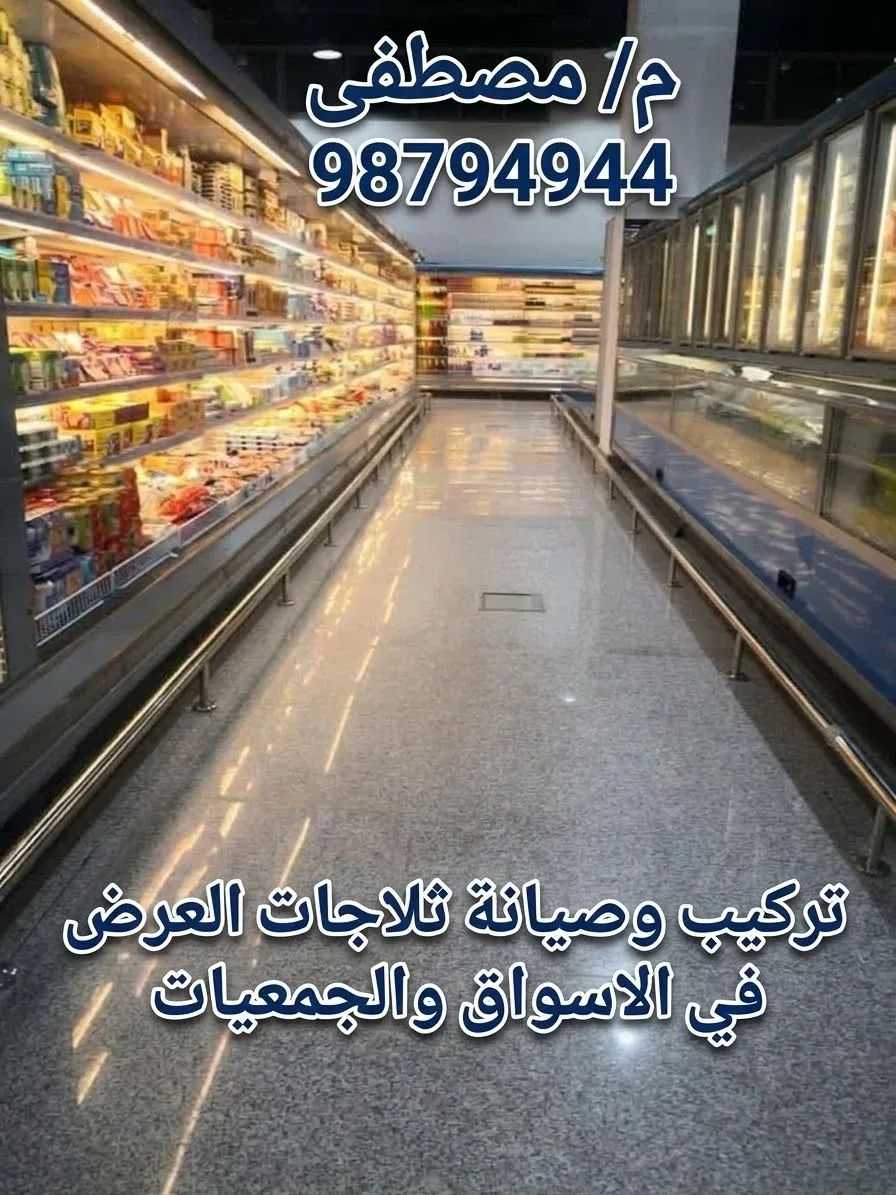
Minimarkets need to balance customer-facing retail space with sufficient room for storing backup inventory.
Every square meter within a small retail establishment has operational value.
When choosing a small cold room for a minimarket, the goal should not simply be to construct the smallest possible enclosure.
Instead, the room must accommodate the required inventory while allowing employees to enter, retrieve products, clean the interior, and move safely without overcrowding.
Where Should the Cold Room Be Installed?
A rear section of the premises may be suitable if it is close to the delivery area and does not obstruct employees, customers, or normal store operations.
However, the location must also be assessed in relation to doorways, access routes, emergency exits, ventilation, and existing building services.
For example, installing a cold room in an area that makes it difficult to transport cartons could turn the process of restocking display refrigerators into an unnecessarily demanding task.
This could happen even if the cold room itself has been designed correctly.
The layout must also provide adequate access to refrigeration equipment and service connections.
Using every available centimeter without allowing space for maintenance can create practical difficulties after installation.
How Should Shelves Be Arranged Inside a Minimarket Cold Room?
Shelving arrangements depend on carton dimensions, product weights, and the way employees retrieve goods.
It is better to identify the main inventory categories before finalizing the shelving layout.
Beverage cartons may require different shelf heights and clearances from dairy containers and smaller packaged food products.
Adequate space must also be maintained for air circulation.
Products should not block evaporator outlets, obstruct return airflow, or be stacked against areas requiring ventilation.
Shelves should be suitable for their expected loads, and the arrangement should allow employees to clean the floor and reach products stored toward the back of the room.
Does a Small Cold Room Need a Large Door?
Not necessarily.
A larger door may make it easier to move certain products, but it also occupies valuable space and may increase air exchange when opened.
The correct dimensions depend on carton sizes, the methods used to move products, and the width of the available access route.
The direction in which the door opens should not interfere with shelving or surrounding equipment.
If the store is particularly narrow, the door position, opening direction, or door configuration may need to be evaluated according to the available space and applicable safety requirements.
How Does Cold Room Design Affect Display Refrigerator Restocking?
When refrigerated backup inventory is organized and conveniently positioned, employees can identify products more quickly and restock display refrigerators with less unnecessary movement.
Poorly organized storage can have the opposite effect.
If products are stacked without a clear system, employees may spend longer searching for particular items, increasing the time the cold room door remains open.
A practical layout therefore supports more than visual organization.
It can improve daily inventory handling, make products easier to locate, and help employees complete routine tasks more efficiently.
Can a Cold Room Replace Refrigerated Display Cabinets?
In most cases, it cannot, because cold rooms and refrigerated display cabinets serve different purposes.
A cold room maintains backup inventory under appropriate refrigerated storage conditions.
Display refrigerators allow customers to see products, compare options, and select items conveniently.
For this reason, the role of each refrigeration appliance should be evaluated within the store's overall operation.
Installing a new cold room does not automatically eliminate the need for existing display refrigeration equipment.
4. Refrigerated Storage Installation Prices for Grocery Stores
If you are researching the price of installing refrigerated storage for a grocery store, understanding the factors that influence the total cost will help you distinguish essential components from optional additions.
There is no single fixed price suitable for every grocery store in Kuwait.
Differences in product inventory, available space, installation conditions, and operational requirements can significantly change the specifications of the project.
Is Storage Area the Main Factor Affecting Price?
Floor area affects the quantity of insulation panels, the size of the enclosure, and the internal storage arrangement.
However, it is not the only factor, nor is it necessarily the most significant.
Two grocery stores may require similar storage dimensions but have very different refrigeration needs.
The first may receive beverages that have already been chilled and simply maintain their temperature.
The second may receive large quantities of products at higher temperatures and need to cool them before placing them on sale.
The second application creates an additional product-cooling load and may require different refrigeration equipment.
Room height also affects internal volume and insulation surface area, even when length and width remain unchanged.
How Do Product Quantities Affect Installation Costs?
As the quantity of products requiring cooling within a specified period increases, calculating the associated refrigeration load becomes increasingly important.
However, doubling the number of cartons does not automatically mean that compressor capacity must be doubled.
The calculation depends on the product type, incoming temperature, required cooling time, and other operating conditions.
For example, a grocery store receiving pre-chilled beverages from its supplier has different requirements from a store receiving beverages at ambient temperature and attempting to cool them quickly for sale.
The installation company should therefore understand both the condition of the products upon arrival and the rate at which inventory moves through the store.
Providing only the number of cartons inside the room may not be sufficient.
Does the Refrigeration Unit's Location Change the Price?
Yes.
The location of the condensing unit affects the required pipework, mounting arrangements, ventilation conditions, and maintenance accessibility.
If the store has a suitable outdoor installation location close to the cold room, the project may require different arrangements from a facility where refrigeration connections must travel a longer distance.
Installing heat-rejecting equipment in an enclosed or poorly ventilated area can also affect refrigeration system efficiency.
Therefore, the equipment location should be selected according to the manufacturer's requirements and the conditions of the installation site.
Technical design guidance from Danfoss emphasizes the importance of considering ambient temperature and condenser conditions when selecting refrigeration equipment, particularly in hot environments.
Are Shelves Included in the Installation Cost?
That depends on the quotation.
Some installations include shelving as part of the cold room package, while others treat shelving as a separate item priced according to material, dimensions, and load capacity.
For grocery stores, shelving should support safe product placement, clear inventory organization, and convenient cleaning.
It is not advisable to purchase numerous shelves before the internal layout has been finalized.
Poorly positioned shelving may leave inadequate movement space or obstruct air circulation, reducing the practical usefulness of the cold room.
How Can You Compare Two Quotations for the Same Storage Room?
|
Comparison item |
What should you check? |
|
Dimensions |
Internal and external measurements, including height |
|
Insulation |
Insulating material, thickness, and surface finish |
|
Refrigeration equipment |
Actual cooling capacity and operating specifications |
|
Door |
Dimensions, insulation, sealing, and safety arrangements |
|
Electrical work |
Electrical supply, controls, protection, and connections |
|
Shelving |
Whether it is included or priced separately |
|
Installation |
Included work, testing, and commissioning |
|
Warranty |
Written coverage, conditions, and exclusions |
A lower quotation may be a suitable choice if it satisfies the store's requirements and covers all necessary equipment and installation work.
However, it is not possible to determine which offer provides better overall value without comparing the technical specifications and services included.
Want to understand the cost of a cold room suitable for your grocery inventory?
You can contact Cold Room and Display Refrigerator Maintenance to discuss your required dimensions and refrigeration equipment and request a quotation based on your business's storage needs.
5. Custom Cold Room Installation Inside a Food Retail Store
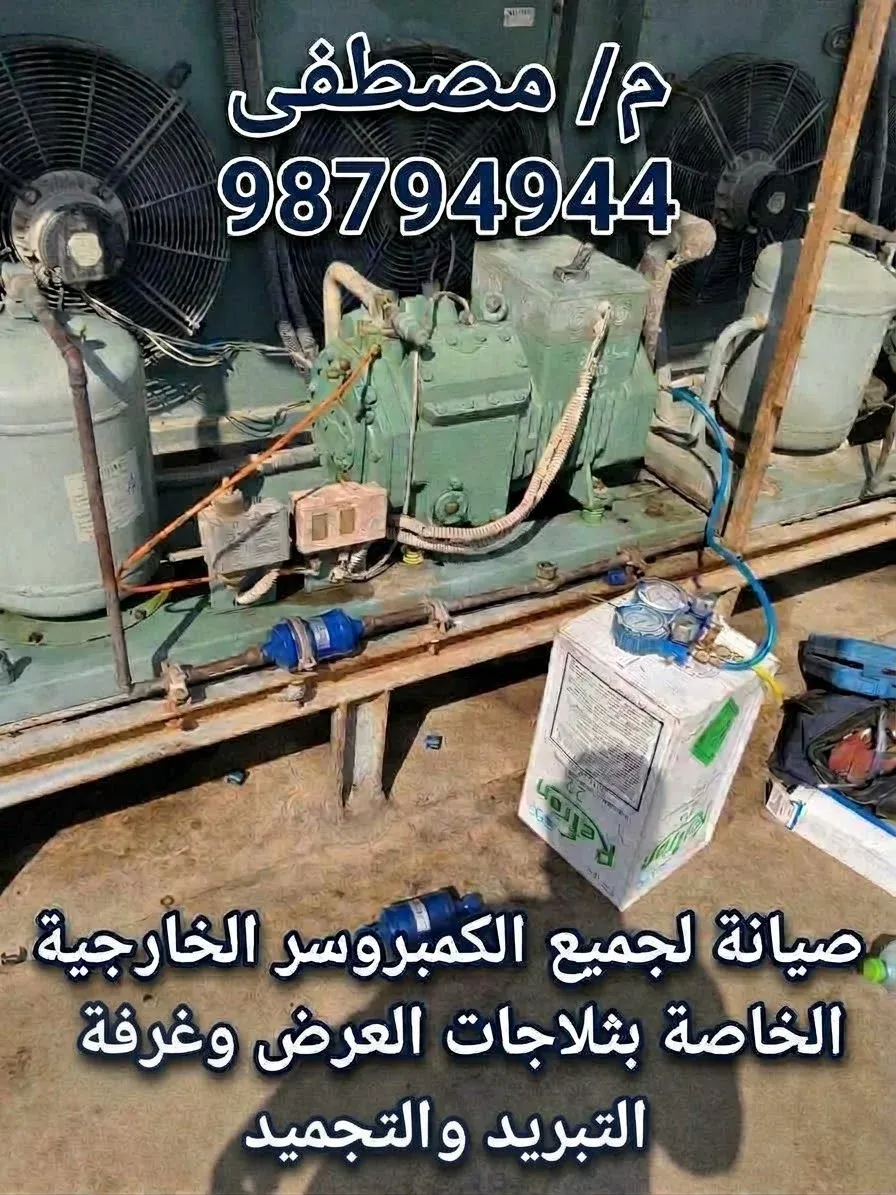
Choosing a prefabricated cold room with standard dimensions may not be suitable for every retail establishment, particularly when the available space contains structural columns, unusual corners, or narrow access routes.
For this reason, custom cold room installation inside a food retail store may be worth considering when the business needs to make effective use of limited space while maintaining appropriate insulation, refrigeration performance, and inventory accessibility.
However, custom installation does not mean that insulated panels can simply be placed inside any available space.
The proposed location must be suitable for construction, safe operation, and future maintenance.
Designing the Cold Room Around the Store's Actual Dimensions
Some grocery stores have a long, rectangular storage area, while others have a compact space closer to a square.
The installation location may also contain a structural column, a rear doorway, or electrical equipment that affects the room's arrangement.
The design process should begin with accurate measurements and identification of all obstacles.
Areas that must remain accessible for equipment maintenance, emergency exits, and building services should also be identified.
Once these conditions are understood, the cold room shape and shelving arrangement can be evaluated to make practical use of the available space without compromising operational safety.
Can an Unused Corner Be Converted Into a Cold Room?
An unused corner may be suitable for a small refrigerated enclosure, but the decision depends on its dimensions, insulation requirements, door position, ventilation conditions, and available service routes.
For example, a corner next to a significant heat source or equipment requiring regular maintenance access may be unsuitable without modifications.
Installing a cold room in an extremely confined area can also make it difficult to open the door or service the evaporator.
Therefore, an unused corner should be assessed according to its practical operating requirements rather than selected simply because no other equipment currently occupies it.
Choosing the Right Door Position
Door placement directly affects shelf positioning and the amount of space employees need to move safely.
If the door is installed in an unsuitable location, a substantial portion of the cold room may need to remain clear merely to allow it to open.
In some cases, changing the entrance position or rearranging shelves can improve the usable storage space.
Any changes must still provide safe access and exit arrangements.
The type of goods being moved also matters.
An employee carrying beverage cartons by hand needs a different movement arrangement from someone using a small trolley to transport stock.
Customizing the Cold Room for Different Product Categories
A store specializing in dairy products may need shelving that makes it easier to separate product categories and monitor expiration dates.
A beverage retailer, by comparison, may require shelves suitable for cartons, bottles, and other packaged drinks.
Stores handling a wider range of food products should evaluate whether those items have compatible storage conditions before placing them in a shared room.
Products must also be organized to avoid contamination risks and allow suitable cleaning procedures.
A successful design connects room dimensions with product characteristics and everyday handling requirements instead of applying one standard layout to every business.
When Is a Custom Cold Room Better Than a Prefabricated Room?
A custom installation may be appropriate when the available space cannot accommodate a standard room efficiently or when the door, equipment, and shelving need a particular arrangement.
However, if the store can accommodate a prefabricated room with suitable specifications, comparing both options may be useful in terms of cost and installation convenience.
The best approach is to request a technical assessment explaining the advantages, limitations, expenses, and work required for each alternative.
6. Installing a Cold Room in a Narrow Space: Making Every Meter Count
One of the challenges facing small grocery stores in Kuwait is limited storage space behind the retail area or between existing facilities.
When considering cold room installation in a narrow space, the goal is to make effective use of the available area without obstructing normal store activities or compromising airflow and safe equipment access.
The important question is not simply whether a cold room can physically fit inside the available space.
It is whether the room can be operated, cleaned, accessed, and maintained conveniently after installation.
Measuring the Site Before Choosing Room Dimensions
Planning should begin with accurate measurements of length, width, and height.
Structural columns, doors, existing pipework, electrical connections, and other obstacles should also be identified.
The installation must allow sufficient space for placing insulation panels, opening the door, and transporting equipment into the site.
If the available area is extremely limited, using its entire footprint may not be practical.
The cold room still requires internal clearance for employee movement and access to stored goods.
It is also useful to determine how cartons will move between the cold room and display refrigerators.
This helps prevent the installation from creating unnecessary obstacles during routine store operations.
Using Available Height Instead of Increasing Floor Area
If floor space is limited but adequate height is available, carefully designed vertical shelving may improve inventory organization.
However, shelves must be suitable for the expected product loads, and employees should be able to retrieve goods safely.
Products should not obstruct evaporator airflow or interfere with maintenance access.
Additional height also does not automatically provide an equivalent increase in usable storage capacity.
Certain upper areas may need to remain clear for refrigeration equipment, air circulation, or servicing.
Shelving should not be installed so high that handling heavy cartons becomes unsafe for employees.
Avoid Installing Refrigeration Equipment Without Proper Ventilation
A store owner may be tempted to place the condensing unit inside a narrow, enclosed space to preserve usable floor area.
However, this arrangement requires careful technical assessment.
The condensing unit must reject heat into its surrounding environment, and insufficient ventilation can increase condensing temperatures and negatively affect system performance.
Suitable access should also be provided for inspection, servicing, and cleaning.
Equipment should not be hidden behind obstacles that make routine maintenance difficult.
The refrigeration equipment location is an essential part of the overall design, not a decision that should be postponed until after the room has been assembled.
Why Air Distribution Matters in Small Cold Rooms
Even compact cold rooms can experience uneven temperatures when shelves or cartons obstruct airflow from the evaporator.
The evaporator position and air discharge arrangement should therefore match the room dimensions and planned inventory layout.
Products should not block return-air paths or occupy every available gap.
Maintaining appropriate clearances helps air circulate through the refrigerated space.
A clear storage arrangement also makes it easier to inspect products, clean the room, and retrieve inventory efficiently.
Can a Cold Room Be Installed Inside an Existing Storage Room?
Yes, this may be possible if the existing storage area has suitable dimensions and can accommodate the required ventilation, services, and safety arrangements.
However, the installation must not obstruct essential exits or building equipment.
The supporting structure, available access, and existing electrical and drainage infrastructure should also be evaluated.
Some storage rooms may require changes to flooring, wiring, or drainage before cold room installation can begin.
For this reason, it is better to assess the site before purchasing insulation panels and refrigeration equipment.
7. Refrigerated Storage for Beverages and Dairy Products in Grocery Stores
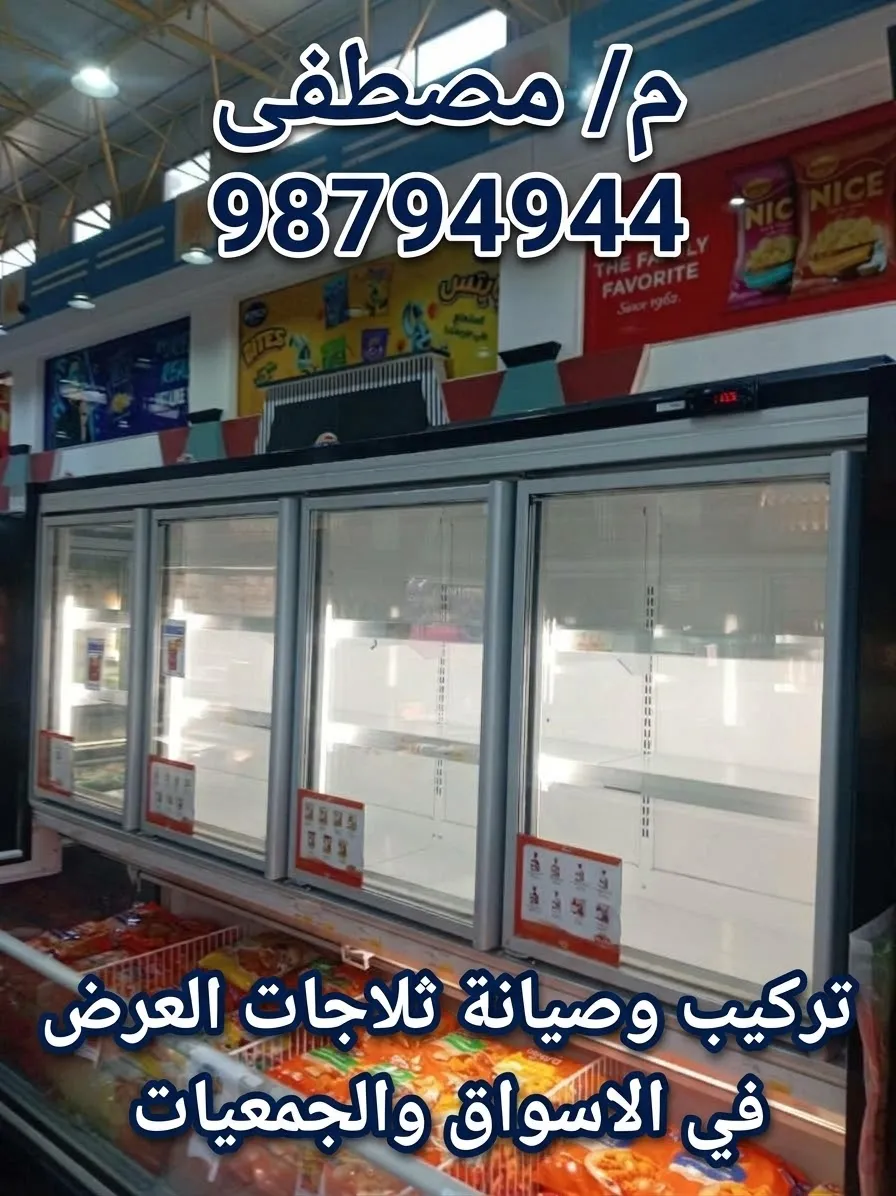
Preparing refrigerated storage for beverages and dairy products requires particular attention when installing a cold room inside a grocery store or minimarket.
These products may differ in temperature requirements, receiving procedures, and storage conditions even when they are all sold through refrigerated display cabinets.
Beverages that can safely remain at ambient temperature are different from chilled dairy products that require continuous compliance with the storage conditions stated on their packaging.
Storing Dairy Products According to Their Requirements
Milk and other dairy products should be handled according to the manufacturer's instructions and the specific storage conditions applicable to each product.
The cold room must maintain a suitable temperature, while receiving, transporting, and placing products in storage should follow appropriate food safety practices.
Inventory should also be organized to make expiration dates easy to monitor.
Products must not be stacked in a way that restricts airflow or prevents proper cleaning.
Importantly, installing a cold room does not automatically correct problems involving products that arrived at unsuitable temperatures or in an unacceptable condition.
Receiving procedures and temperature monitoring therefore remain essential.
Organizing Chilled Beverage Inventory
A grocery store may use its cold room to hold beverages before transferring them to display refrigerators.
However, it is important to distinguish between beverages that require refrigeration for safe storage and those that are chilled primarily to provide a cold drink to customers.
This difference affects inventory management, refrigeration loads, and the quantity of products that need cooling during the day.
If beverages enter the room at ambient temperature, the refrigeration system must be designed with consideration for the heat that needs to be removed and the time available to reach the desired selling temperature.
A room intended mainly to maintain the temperature of already chilled products may have different requirements.
Can Beverages and Dairy Products Be Stored in the Same Cold Room?
That depends on their required storage temperatures, packaging characteristics, contamination risks, and inventory arrangement.
If the products have compatible storage requirements, shared storage may be possible with suitable organization.
However, you should not assume that all beverages and dairy products require identical refrigerated conditions.
It is better to review the product labels and storage instructions before selecting a common temperature.
When combined storage is appropriate, allocating clearly identified sections to different product categories can help employees maintain an organized inventory.
Why Inventory Rotation Based on Expiration Dates Matters
A common challenge in smaller stores occurs when newly delivered products are placed in front of older inventory.
This can make it difficult to retrieve items approaching their expiration dates.
Shelving should therefore allow employees to organize stock according to expiration dates and access products without repeatedly moving large quantities of cartons.
Assigning clear locations to similar products also reduces the time spent searching inside the room.
An organized system can improve stock visibility and reduce the likelihood of products being forgotten in rear corners or less accessible shelving areas.
How Frequent Door Opening Affects Product Refrigeration
Every time the cold room door opens, warmer and potentially more humid air from the surrounding environment can enter the refrigerated space.
This introduces additional heat and moisture that the refrigeration system may need to remove.
The impact depends on the door size, how long it remains open, the surrounding temperature, and the movement of employees and products.
It is therefore useful to organize restocking activities and avoid leaving the door open unnecessarily.
Technical guidance from Danfoss identifies door-opening frequency and incoming warm products as factors that influence refrigeration loads and temperature stability.
These considerations are particularly relevant to cold room designs for grocery stores with frequent inventory movement.
When Should Additional Temperature Monitoring Be Considered?
If the stored products are sensitive to temperature changes or the inventory represents a substantial investment for the store, additional temperature monitoring and recording equipment may be worth considering.
Some systems can also provide alerts when temperatures move outside predefined limits.
The appropriate monitoring arrangements depend on the application, the refrigeration equipment, the stored products, and any relevant operational requirements.
Temperature monitoring can help identify certain problems earlier, but it does not replace routine maintenance or appropriate checks on product temperatures when necessary.
8. Choosing a Cold Room Contractor for Small Retail Stores in Kuwait
When searching for a cold room contractor for small retail stores, your main priorities should include whether the proposed design suits the grocery business, whether the technical specifications are clear, and whether the quotation identifies all included work.
Installing a refrigerated room inside a small store requires careful consideration of storage capacity, door placement, product movement, and service connections.
An unsuitable design can make everyday operations unnecessarily difficult after the project is completed.
Why Is a Site Inspection Important Before Installation?
A site inspection helps establish the actual dimensions of the available area and identify the condition of existing walls, flooring, doors, and utilities.
It may also reveal obstacles that are not obvious from photographs or floor plans.
For example, the proposed installation may have limited access to an outdoor condensing unit location, or existing connections may interfere with the intended room position.
The inspection can also help evaluate how employees will move between the storage area and the retail section.
This makes it easier to determine whether the space is suitable for a separate cold room or whether the proposed layout requires modification.
For these reasons, requesting an inspection before approving the final cost is particularly useful for an existing grocery store that continues operating during the planning process.
What Questions Should You Ask the Contractor?
-
Are the proposed dimensions suitable for my inventory? Explain the quantities you intend to store rather than providing only the available room dimensions.
-
What insulation materials will be used? Request details of panel materials, insulation thickness, surface finishes, and installation methods.
-
How will the refrigeration system be selected? Equipment capacity should reflect the calculated refrigeration load and operating conditions rather than floor area alone.
-
Where will the condensing unit be installed? Understand the equipment location, ventilation requirements, maintenance access, and pipework arrangements.
-
Does the price include electrical work and drainage? Confirm which services are included to deliver a fully operational system.
-
What commissioning tests will be performed? Ask how the contractor will check refrigeration performance and system operation after installation.
-
What warranty and maintenance conditions apply? Request written information about any warranty coverage or follow-up services included in the agreement.
Why Clear Specifications Matter Before Paying for Installation
Different contractors may provide quotations for cold rooms with identical dimensions while offering different equipment and installation services.
For example, one quotation may include electrical connections, refrigeration controls, and drainage, while another may require the customer to arrange some of these services separately.
Insulation specifications, door quality, evaporator design, and condensing unit performance may also differ.
Consequently, comparing the final quoted amounts alone may not provide a fair assessment.
It is better to request a detailed proposal identifying the main components, their technical specifications, the included services, and any exclusions.
Is Choosing the Lowest-Priced Contractor Always Better?
Price is important, particularly for grocery store owners and smaller businesses operating within limited budgets.
However, it should not be the only consideration.
A lower quotation may represent a good choice if it includes equipment that satisfies the store's requirements and covers the necessary installation work.
On the other hand, a lower price resulting from omitted services or unsuitable equipment could lead to additional expenses or operating problems later.
The better approach is to assess the price together with the technical specifications and how well the proposed system meets your refrigeration needs.
Why Consider Cold Room and Display Refrigerator Maintenance?
If your business needs additional refrigerated storage inside a small retail space, it is important to communicate your requirements clearly and obtain a quotation that can be reviewed from both technical and financial perspectives.
You can contact Cold Room and Display Refrigerator Maintenance through its website to discuss your grocery store or minimarket requirements and inquire about a site inspection or quotation, subject to service availability.
Providing the available dimensions, product categories, inventory quantities, and location within Kuwait will help make discussions about the required equipment more specific.
Do not rely exclusively on general promotional promises.
Instead, request clear information about the refrigeration system, insulation, installation work, and applicable service conditions before approving the project.
9. Small Grocery Cold Room Costs Including Installation: Managing Your Budget
When calculating the cost of a small grocery cold room including installation, simply adding together the prices of insulation panels, a compressor, and a door is not enough.
The total project may also involve site preparation, refrigeration pipework, electrical connections, temperature controls, inspection, and commissioning.
Operating costs after installation must also be considered because the cold room will become part of the store's daily activities.
The objective is to select a system that performs the required storage function without making the business pay for unnecessary equipment or overlooking essential safety and operating requirements.
Define Inventory Quantities Before Choosing Room Dimensions
Begin by calculating how much chilled inventory your grocery store needs to hold during normal business days and periods of increased demand.
If your store receives frequent deliveries in smaller quantities, its storage requirements may differ from those of a business receiving larger shipments that remain in storage for several days.
Shelving, access aisles, and staff movement also require space.
The total geometric volume of a cold room is therefore not equivalent to the amount of space available for merchandise.
The more accurately you describe your inventory, the easier it becomes to select appropriate dimensions and avoid constructing a room that is unnecessarily large or too small.
Avoid Oversizing the Refrigeration Unit
Some store owners assume that installing a larger compressor will always provide better refrigeration.
However, equipment capacity must be selected using suitable technical calculations.
An undersized refrigeration system may struggle to maintain the target temperature.
An excessively large system selected without proper engineering assessment may increase initial expenses or create operating difficulties, depending on the refrigeration design and control arrangements.
The required capacity should be determined by evaluating product loads, heat transfer through insulated surfaces, air infiltration, ambient conditions, and other relevant factors.
Equipment should then be selected according to its actual performance data under the expected operating conditions.
Technical guidance from Danfoss explains that condensing unit selection depends on total refrigeration load and operating conditions rather than cold room volume alone.
Choose Suitable Insulation Instead of Simply Buying the Cheapest Option
Insulation panels influence the rate at which heat passes from the surrounding store into the refrigerated room.
Insufficient insulation can increase the refrigeration load and make maintaining stable storage temperatures more difficult.
However, choosing the thickest available insulation does not automatically represent the best decision for every project.
The appropriate specifications should reflect the required temperature, surrounding conditions, and intended use.
Attention should also be given to sealing panel joints and doors, as poor connections can reduce the effectiveness of an otherwise suitable insulated enclosure.
Review Existing Store Infrastructure Before Adding New Work
Some grocery stores may already have electrical infrastructure or drainage routes that could potentially be used after an appropriate technical assessment.
Other stores may require new wiring, additional protective devices, or changes to existing service connections before refrigeration equipment can be operated safely.
A nearby electrical connection should not automatically be considered suitable for the cold room.
Its adequacy depends on the equipment's electrical requirements, expected loads, and protection arrangements.
Essential work should never be omitted merely to reduce the installation price, particularly where electrical safety and drainage are concerned.
Compare Construction Expenses With Operating Costs
The least expensive cold room to install is not necessarily the least expensive option to operate over time.
Insulation performance, refrigeration equipment characteristics, temperature controls, door-opening habits, and product organization can all influence electricity consumption and maintenance requirements.
You should also consider how easily the room can be cleaned and how conveniently technicians can reach the equipment if a fault develops.
When reviewing quotations, consider the overall project cost, including installation, operating requirements, and anticipated maintenance needs.
Avoid relying on unsupported promises of specific electricity savings.
Can a Cold Room Be Installed in Stages to Reduce Costs?
Depending on the project, certain preparatory activities may be completed separately from refrigeration equipment installation.
However, a cold room should not be placed into service before all essential systems have been installed and verified.
The insulation, door, refrigeration circuit, electrical equipment, and controls must be suitable for the intended application before products are stored.
If you expect the business to expand, it is useful to discuss future requirements during the design stage.
Some installations may allow relatively straightforward expansion, while others could require substantial changes to the room structure or refrigeration equipment.
The feasibility of future expansion cannot be guaranteed without reviewing the specific design.
When Is Investing in a Small Cold Room Worth Considering?
A small cold room may be worth considering when a grocery store requires dedicated refrigerated storage and the expected product quantities justify a separate room.
The available space and everyday handling procedures should also support practical operation.
If the store's refrigeration requirements are very limited, comparing a cold room with additional refrigerated cabinets may be a more sensible first step.
Even if your budget allows for a larger installation, the chosen equipment should reflect actual needs rather than purchasing unnecessary capacity.
Want to know the cost of installing a small cold room in your grocery store in Kuwait?
You can contact Cold Room and Display Refrigerator Maintenance and request a detailed quotation covering the required insulation, refrigeration equipment, and installation work.
10. Requesting a Grocery Store Cold Room Site Inspection: Installation Steps
Requesting a site inspection for grocery store cold room installation is an important step before selecting final dimensions or purchasing refrigeration equipment.
This is especially relevant when the store has limited space or already contains shelving, appliances, and other fixed installations.
An inspection helps determine whether the proposed location is suitable, identify installation requirements, and recognize potential obstacles before work begins.
Step One: Prepare Your Store Information
Before contacting an installation provider, gather basic details about your business and the proposed location of the cold room.
Explain whether the grocery store is already operating or is still being prepared for opening.
This distinction may affect how installation activities need to be organized.
It is also useful to know the approximate dimensions of the available area, the types of products you need to refrigerate, and the expected daily inventory quantities.
Providing this information helps clarify the project's requirements before the design stage begins.
Step Two: Assess the Available Space and Installation Site
Site evaluation begins with reviewing the length, width, height, and any obstacles such as doors, structural columns, or existing utility connections.
The available access routes for employees and product deliveries should also be considered.
The proposed room should not obstruct essential exits or interfere with necessary building services.
In narrow spaces, changing the entrance location or shelving layout may improve the practicality of the design.
The evaluation should also address possible refrigeration equipment locations and the maintenance access required after installation.
Step Three: Determine the Appropriate Refrigeration System
Once the product categories and required temperatures have been identified, the expected refrigeration load and operating conditions can be evaluated.
This assessment should consider inventory quantities, incoming product temperatures, door-opening frequency, insulation performance, and surrounding environmental conditions.
Based on the results, an appropriate refrigeration system can be selected in terms of capacity, components, and temperature control.
This stage helps avoid relying on approximate equipment selection that may not match the store's daily operating requirements.
Step Four: Prepare the Detailed Quotation
An appropriate quotation should describe the required equipment and installation activities, including essential components and any additional work.
It should identify the insulation panels, door, refrigeration equipment, pipework, electrical connections, controls, and drainage where applicable.
The proposal should also explain the included installation services and any warranty or follow-up arrangements offered under the agreement.
Before approving the quotation, review the details carefully so that you understand what is included and can compare alternatives fairly.
Step Five: Prepare the Site and Install the Cold Room
After the design and specifications have been agreed upon, site preparation and installation can begin.
The work may include assembling insulation panels, installing the door, positioning refrigeration equipment, and completing the necessary connections.
If the grocery store is already operating, the installation may need to be coordinated with the owner to manage equipment deliveries and construction activities without unnecessary disruption.
Electrical wiring, refrigeration piping, controls, and drainage should be installed according to the approved system design.
Technical work should be performed by appropriately qualified personnel following relevant safety requirements and equipment instructions.
Step Six: Inspect and Commission the System
Once installation is complete, suitable tests should be carried out to verify the refrigeration circuit, electrical connections, temperature controls, and overall system operation.
These checks may include examining door seals, confirming sensor operation, reviewing drainage arrangements, and verifying that the system reaches the required temperature under the specified testing conditions.
The installer should also check that airflow distribution is compatible with the planned shelving and storage arrangement.
Temperature-sensitive products should not be placed in the room until its operation has been verified against the applicable storage requirements.
Step Seven: Operating Instructions and Ongoing Maintenance
After commissioning, grocery store employees should understand how to organize inventory, monitor temperature, and maintain suitable cleanliness inside the cold room.
They should avoid leaving the door open unnecessarily or placing cartons where they obstruct airflow.
It is also useful to monitor unusual changes in temperature, unexpected equipment noises, or drainage problems.
If an abnormal condition develops, appropriate technical inspection should be arranged.
Even a properly designed cold room requires correct everyday use and maintenance according to the equipment requirements and operating conditions.
Frequently Asked Questions About Small Cold Room Installation Costs
How Much Does It Cost to Install a Small Cold Room in a Grocery Store in Kuwait?
The cost depends on room dimensions, height, insulation specifications, refrigeration equipment, door design, electrical connections, pipework, and installation requirements.
An accurate price cannot be determined without reviewing the store's needs and evaluating the proposed installation location.
The best approach is to request a detailed quotation that identifies the complete system and the required installation work.
Can I Install a Cold Room in a Grocery Store With Very Limited Space?
Yes, installation may be possible if the available area can accommodate a cold room that operates safely and practically.
The design must allow sufficient space for the door, shelving, airflow, services, and access to refrigeration equipment.
If the available space is extremely restricted, alternative refrigerated storage solutions may be more suitable.
Is a Small Cold Room Suitable for Storing Beverages and Dairy Products?
A small cold room can be suitable when it is designed around the storage requirements of the intended products.
It must maintain appropriate temperatures, and the products should have compatible storage conditions if they are kept together.
Shelving arrangements should also support airflow, inventory organization, and monitoring of expiration dates.
Does the Cold Room Installation Price Include the Compressor and Insulation?
That depends on the quotation.
Some proposals cover only insulation panels, while others include refrigeration equipment, the door, electrical connections, pipework, and installation.
Always request a written list of included components and services, along with any exclusions, before accepting the quoted price.
How Can I Request a Site Inspection for a Grocery Store Cold Room?
You can contact Cold Room and Display Refrigerator Maintenance through its website and provide your store's location, available dimensions, and the products that require refrigeration.
You can then inquire about site inspection availability and the information needed to obtain a quotation suitable for your project.
Conclusion: Install a Small Cold Room That Suits Your Grocery Store and Budget
If you own a grocery store or minimarket in Kuwait and need additional space to store beverages, dairy products, and other refrigerated goods, installing a small cold room may provide a practical way to organize inventory and make restocking display refrigerators more convenient.
However, the right decision begins with understanding your product quantities, available space, and storage requirements rather than simply choosing the smallest room or searching for the lowest advertised price.
Throughout this guide, we have explained that the cost of installing a small cold room for grocery stores and retail shops depends on insulation, refrigeration equipment, door specifications, installation location, electrical infrastructure, and commissioning requirements.
We have also discussed how to make practical use of narrow spaces, organize shelving, select refrigeration equipment, and plan refrigerated storage for grocery stores and minimarkets.
Before proceeding with installation, make sure the room design provides suitable access, cleaning arrangements, and airflow distribution.
The refrigeration system should also be selected according to the expected operating loads and the actual requirements of the stored products.
Review every item in the quotation so that you understand the equipment and installation services included in the total cost.
Planning to Install a Small Cold Room in Your Grocery Store in Kuwait?
Contact Cold Room and Display Refrigerator Maintenance and provide your store dimensions, product types, and expected inventory quantities.
You can inquire about a site inspection or request a detailed quotation, subject to service availability, to help you select a refrigerated storage solution appropriate for your business requirements and budget.
Visit Cold Room and Display Refrigerator Maintenance to Request a Quote