Fruit & Vegetable Cold Rooms in Kuwait | Temperatures & Costs
·

Fruit and Vegetable Cold Rooms in Kuwait: Temperatures & Costs
If you own a fruit and vegetable shop, a wholesale warehouse, or a business importing fresh agricultural produce into Kuwait, you already understand that maintaining product freshness involves much more than operating an air conditioner or placing boxes inside a refrigerated storage area. Choosing fruit and vegetable cold rooms in Kuwait, including the correct storage temperatures and installation costs, begins with understanding the specific crop, its required temperature, and its humidity requirements. Some vegetables can tolerate temperatures close to freezing, while others may suffer chilling injury when exposed to excessively low temperatures. For this reason, installing a properly designed cold room can help reduce quality deterioration and preserve fresh produce throughout storage and distribution.
Whether you are preparing a refrigerated warehouse for imported vegetables, developing a fruit storage facility for wholesale traders, or establishing a temperature-controlled storage area to supply restaurants, cooperative societies, and local markets, selecting a suitable refrigeration system requires careful consideration of product quantities, storage arrangements, and how frequently the doors will be opened. The challenge is not simply making the room cold. The more important objective is maintaining appropriate storage conditions for different crops during everyday operations. Poor air distribution, unsuitable humidity levels, or choosing a compressor with insufficient refrigeration capacity can affect inventory quality and increase operational expenses.
Through Cold Room and Display Refrigerator Maintenance in Kuwait, you can inquire about fruit and vegetable cold room installation solutions and equipment specifications suitable for your commercial activities. This comprehensive guide explains recommended temperatures for different crops, humidity management, selecting the correct storage capacity, shelving and insulation requirements, and the main factors influencing installation prices. Understanding these details will help you plan your project more effectively and request a quotation based on your actual storage requirements rather than general assumptions.
Fruit and Vegetable Cold Room Installation in Kuwait: What Does the Service Include?
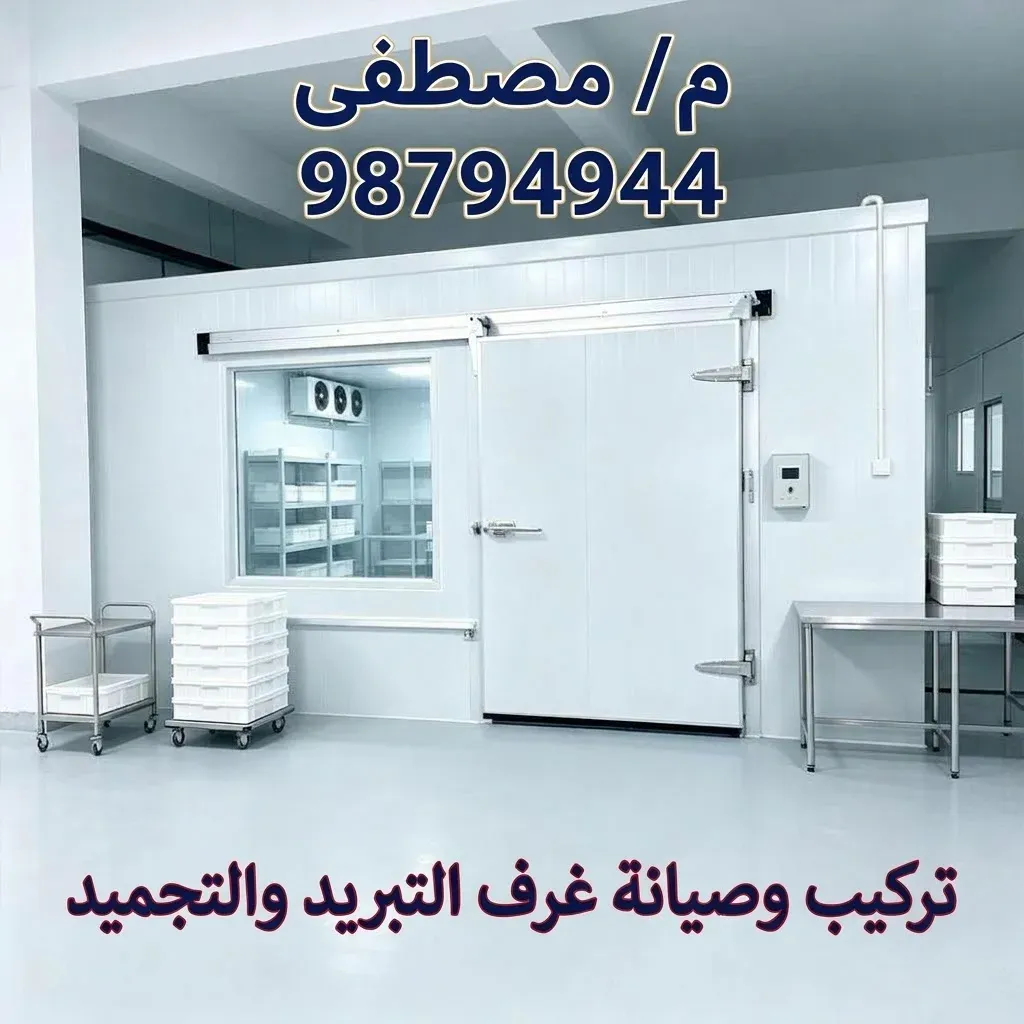
Installing fruit and vegetable cold rooms in Kuwait requires a design specifically suited to the characteristics of fresh agricultural produce. It involves much more than constructing an insulated room and connecting a refrigeration compressor. Fruits and vegetables continue their biological respiration processes after harvesting, and their condition can be affected by temperature, humidity, ventilation, and naturally occurring gases released by certain crops during ripening. These characteristics make fresh produce storage different from storing packaged food products that do not respond to environmental conditions in the same way.
If you operate a wholesale vegetable business, you may receive substantial daily quantities of tomatoes, cucumbers, lettuce, carrots, and peppers. Each product has storage requirements that may differ significantly from those of other vegetables. Similarly, fruit importers may handle apples, grapes, bananas, mangoes, and oranges, which cannot all be stored at the same temperature. Identifying the main products your business handles is therefore an essential step before selecting the refrigeration system and developing the cold room design.
Main Components of Fruit and Vegetable Cold Rooms
-
Thermal Insulation Panels: These reduce heat transfer from the outside environment into the refrigerated storage area. The insulation material and thickness should be selected according to the room location and required operating temperatures.
-
Refrigeration Unit and Compressor: The capacity should be determined according to calculated refrigeration loads, product quantities, incoming product temperatures, and daily operating hours.
-
Evaporator and Air Circulation Fans: These help distribute refrigerated air throughout the storage area without obstructing product movement or exposing sensitive crops to unsuitable airflow conditions.
-
Thermostat and Control System: These regulate storage temperatures and monitor refrigeration operation, with additional sensors and alarm functions available depending on the selected specifications.
-
Humidity Control Equipment: Additional humidification or dehumidification equipment may be required depending on the crops, storage conditions, and technical requirements of the facility.
-
Cold Room Doors: Doors should provide suitable thermal insulation and effective sealing to reduce the entry of warm outdoor air and external moisture.
-
Storage Shelving and Loading Platforms: These help organize product containers while allowing easier movement, cleaning, and inventory inspection.
-
Electrical and Drainage Equipment: These should be installed according to the operating requirements, safety considerations, and technical specifications of the selected equipment.
Are Vegetable Cold Rooms Different from Meat Cold Rooms?
Yes. The main differences involve the storage conditions required and the handling characteristics of the products. Certain fruits and vegetables need relatively high humidity to reduce moisture loss, whereas meat storage has different requirements involving temperature control, hygiene, and contamination prevention.
Even within the fruit and vegetable category, there can be significant differences between crops. It is therefore important not to select a single operating temperature based only on the general type of business. The storage system should instead be designed according to the specific products that will actually be stored.
The key consideration: Cold room design should begin with the products you intend to store rather than the available room dimensions alone. The more accurately you identify your crops and inventory quantities, the easier it becomes to determine suitable refrigeration equipment and storage arrangements.
Vegetable Storage Temperatures: What Is the Right Temperature for Each Crop?
Determining the correct vegetable storage temperature inside a cold room is one of the most important steps when preparing a refrigerated warehouse. Lower temperatures do not automatically mean better preservation. Certain crops, including carrots, lettuce, and cabbage, can be stored at temperatures close to 0°C under suitable conditions. Other vegetables, such as cucumbers, eggplants, and certain peppers, are sensitive to excessive chilling and may develop cold-related damage. For this reason, operating temperatures should be selected according to the crop, its maturity, and the intended storage period.
A common problem among some traders is placing different vegetables in one cold room and setting the controller to a low temperature, assuming that additional cooling will preserve every product for longer. However, sensitive crops may develop surface pitting, changes in texture, discoloration, or increased susceptibility to deterioration after leaving the refrigerated environment. It is therefore preferable to classify products into compatible storage groups before deciding on temperature settings.
Recommended Storage Temperatures for Selected Vegetables
|
Crop |
Approximate Storage Temperature |
Approximate Relative Humidity |
|
Lettuce |
0–2°C |
95–100% |
|
Carrots |
0–1°C |
98–100% |
|
Broccoli |
Approximately 0°C |
95–100% |
|
Cabbage |
Approximately 0°C |
98–100% |
|
Cucumbers |
10–12.5°C |
Approximately 95% |
|
Eggplants |
10–12°C |
90–95% |
|
Sweet peppers |
7–10°C |
90–95% |
|
Firm ripe tomatoes |
Approximately 8–10°C |
90–95% |
Technical note: These figures are general guidelines for healthy produce stored under appropriate conditions. They are not universal settings for every variety. Recommendations may vary according to cultivar, maturity, intended storage duration, and previous transportation conditions. The temperature of the room air may also differ from the temperature inside the product itself.
Why Should Cucumbers Not Be Stored Like Lettuce?
Lettuce can generally tolerate storage temperatures close to freezing, while cucumbers are sensitive to prolonged exposure to excessively low temperatures.
Postharvest guidance from the University of California, Davis, indicates that cucumbers are generally best stored between 10°C and 12.5°C. Prolonged exposure to lower temperatures may lead to chilling injury and deterioration.
Consequently, storing cucumbers and lettuce in a single room at one fixed low temperature may force unsuitable storage conditions on one of the products.
Do Tomatoes Require Extremely Cold Storage?
No. Appropriate tomato storage temperatures depend on the stage of ripeness.
Mature-green tomatoes have different requirements from firm red tomatoes, and unsuitable low temperatures may affect flavor, texture, and ripening characteristics.
Before selecting the temperature, the warehouse operator should determine whether the tomatoes are intended for gradual ripening or are already ready for distribution and sale.
How Do You Choose the Temperature for a Mixed Vegetable Cold Room?
If your business must store several crops together, try to group products that have compatible requirements for temperature, humidity, and ethylene sensitivity.
Where crops have substantially different requirements, it is better to consider separate refrigerated rooms or dedicated storage zones.
Do not rely exclusively on the thermostat setting. Monitoring actual product temperatures and storage conditions helps determine whether the system is maintaining an appropriate environment.
Fruit Cold Room Humidity Control: How to Maintain Freshness
Controlling humidity inside fruit cold rooms is just as important as regulating temperature because fresh agricultural products contain substantial quantities of water and continue losing moisture during storage. When humidity is too low for a particular fruit, dehydration may cause wilting, shriveling, weight loss, and deterioration in appearance. These problems may become more noticeable when air circulates continuously around exposed products. However, excessively high humidity combined with condensation on produce or surrounding surfaces can increase the risk of mold development and quality deterioration in certain crops.
For this reason, the highest possible humidity level is not always the best option. Apples, grapes, and other fruits vulnerable to moisture loss may have different storage needs from relatively dry crops such as onions and garlic. The appropriate humidity level also depends on packaging materials, container arrangements, product temperatures, and airflow patterns inside the refrigerated space. These factors should be considered together when selecting and adjusting the refrigeration system.
What Is the Difference Between Suitable Humidity and Condensation?
Relative humidity describes the amount of water vapor present in the air compared with the maximum amount the air can hold at the same temperature.
Condensation occurs when air or a surface becomes cool enough for part of the water vapor to change into liquid droplets.
Maintaining suitable humidity for stored fruit does not mean allowing water to collect on ceilings, shelving, containers, or products. Such conditions can create hygiene problems and potentially affect inventory quality.
How Is Humidity Controlled Inside a Fruit Cold Room?
-
Select an evaporator and refrigeration system suitable for the required storage environment.
-
Use appropriate humidity sensors and check their calibration and readings.
-
Install a humidification system when justified by a technical assessment.
-
Avoid directing unnecessarily strong airflow toward crops sensitive to dehydration.
-
Maintain effective door seals and reduce external air infiltration.
-
Arrange containers to allow suitable ventilation without overcrowding.
-
Monitor condensation on surfaces, containers, and stored products.
-
Select packaging materials that match the storage requirements of the particular crop.
Does Every Fruit Cold Room Need a Humidifier?
Not necessarily. The decision depends on the products being stored, target humidity, room dimensions, and the design of the refrigeration system.
Some facilities may require additional humidification equipment, while others may be able to maintain suitable conditions without a separate humidifier, depending on operating calculations and actual performance.
Any humidification equipment used in a food storage environment should also be suitable for that application, with appropriate water quality management, cleaning, and maintenance procedures.
How Does Opening the Door Affect Humidity?
In Kuwait, warm and humid outdoor air entering the cold room may increase the refrigeration load and contribute to condensation under certain conditions.
At other times, the entry of drier air can affect the humidity balance inside the storage area.
Reducing unnecessary door-opening periods and organizing product movement can help stabilize internal conditions and improve operating efficiency.
Practical advice for fruit traders: If fruit begins to shrivel or loses an unusual amount of weight, do not simply increase humidity without investigating the cause. Review product temperatures, airflow, packaging, and sensor readings before changing the system settings.
Preparing Refrigerated Fruit Warehouses for Traders: Product Organization and Inventory Movement
Preparing a refrigerated fruit warehouse for commercial traders requires careful planning of how products enter and leave the facility. Wholesale storage operations frequently receive shipments of different sizes throughout the week. Some fruits arrive already cooled to suitable storage temperatures, while other products may arrive warmer and require appropriate handling before storage. The receiving, sorting, storage, and distribution processes should therefore be organized to avoid unnecessary disruption and protect the condition of products already inside the refrigerated warehouse.
One major challenge for fruit traders is that different crops vary in their sensitivity to ethylene, a naturally occurring gas produced by certain fruits during ripening. Storing ethylene-producing products near highly sensitive crops may accelerate changes in color, ripening, or quality. A suitable warehouse design must therefore consider product compatibility rather than focusing exclusively on temperature and humidity.
Which Products Should Not Be Stored Together?
-
Ripe apples should not be stored without appropriate controls alongside certain ethylene-sensitive vegetables, such as lettuce and cucumbers.
-
Bananas should not be placed in extremely cold storage conditions intended for crops that require much lower temperatures.
-
Products with strong odors should be separated from fruits that may absorb those odors.
-
Crops requiring high humidity should not automatically be combined with products that need relatively dry storage conditions.
-
Healthy produce should be separated from shipments showing spoilage or mold unless suitable inspection and handling procedures are followed.
The Importance of a Receiving Area
It is advisable to provide a receiving area that protects products from prolonged exposure to high temperatures, especially when unloading trucks during Kuwait's summer months.
Leaving containers outside suitable storage conditions for extended periods can affect product quality before they even enter the refrigerated warehouse.
The receiving process should allow employees to inspect shipments and record their temperature and condition before distributing them to designated storage locations.
Organizing Inventory According to Arrival Dates
A suitable stock rotation system helps ensure that products are distributed at the appropriate time.
However, rotation decisions should consider ripeness, shelf life, and product condition rather than relying exclusively on the date of arrival.
Some fruits require faster distribution because of their ripening characteristics, while others can tolerate longer storage periods when appropriate conditions are maintained.
Choosing Storage Containers and Shelving
Storage containers should be suitable for handling agricultural produce and provide the necessary airflow while preventing excessive loading that could damage fruit or crush containers at the bottom of a stack.
Shelving and loading platforms should be selected according to expected weights, trolley or forklift use, and hygiene requirements.
If you are preparing a wholesale fruit distribution warehouse, provide information about your main products and daily shipment quantities when requesting a design. These details help determine suitable storage capacity and movement routes.
Refrigeration Design for Imported Vegetable Warehouses in Kuwait: From Receiving to Distribution
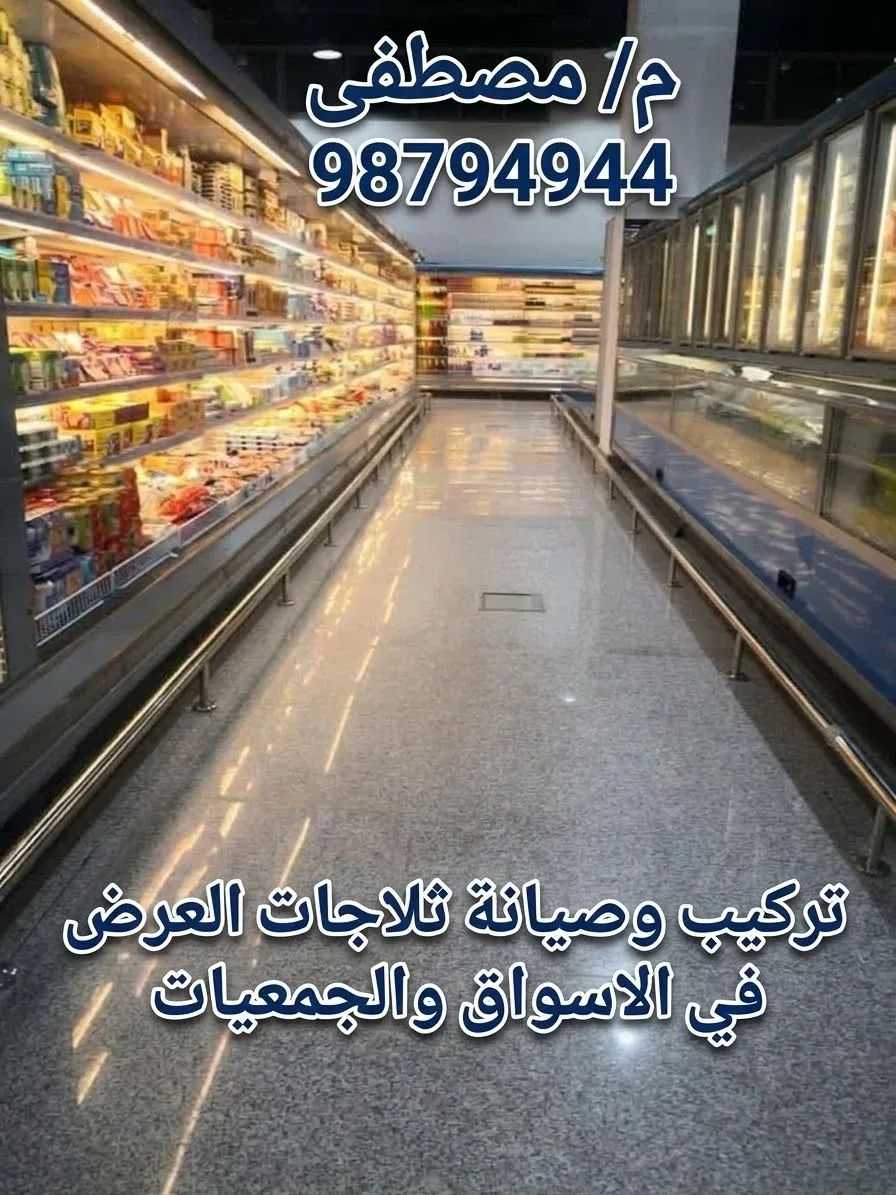
Designing a refrigerated warehouse for imported vegetables requires particular attention to the temperature of products when they arrive. Imported produce may pass through several transportation and storage stages before reaching a warehouse in Kuwait. If a shipment has already been exposed to unsuitable conditions during transportation, placing it in a cold room cannot necessarily restore its original quality. For this reason, warehouse design should be connected to procedures for receiving shipments and reviewing transportation and temperature records.
Some warehouses in Kuwait receive vegetables from countries with different climates and growing conditions. Product varieties, shipment quantities, and distribution schedules may change regularly. As a result, refrigeration equipment should not be selected according to room dimensions alone. The calculated refrigeration load should account for the products, packaging, airflow requirements, door opening, and surrounding temperatures.
Evaluating Products Before Storage
Shipments should be inspected upon arrival to identify visible deterioration, water leakage, or damaged containers.
Reviewing transportation temperature records can also help establish whether the products arrived under the required conditions.
Where products are damaged or their safety is uncertain, they should be handled according to the appropriate quality control and food safety procedures.
Can an Ordinary Storage Cold Room Rapidly Cool Warm Shipments?
Not always. A refrigerated storage room is primarily intended to maintain suitable storage temperatures and may not be designed to remove large quantities of field heat or transportation heat within a short period.
If shipments need rapid cooling, the project may require a suitable precooling system, such as forced-air cooling for certain crops, depending on their characteristics and packaging methods.
Managing Kuwait's High Ambient Temperatures
High outdoor temperatures make insulation quality, door sealing, and appropriate condensing unit selection especially important.
Installing equipment in poorly ventilated locations may also affect refrigeration performance and increase operating pressures.
Truck access, unloading areas, and product movement routes should be considered so that produce spends as little time as reasonably possible exposed to hot outdoor conditions.
Storing Products According to Crop Characteristics
Leafy vegetables have different storage requirements from fruiting vegetables and root crops, and their suitable storage periods may also vary.
The main products handled by the warehouse should therefore be classified into compatible groups before the cold room design is finalized.
A suitable warehouse for an importer is more than a cold storage space. It forms part of a continuous cold chain intended to preserve product conditions from receiving through distribution.
Choosing Fruit and Vegetable Cold Room Capacity: Dimensions and Refrigeration Loads
Choosing the correct capacity for a fruit and vegetable cold room requires evaluating inventory volumes, crop characteristics, packaging methods, shipment frequency, and stock turnover. The refrigerated volume measured in cubic metres does not automatically determine how much produce can be stored safely. Space must also be allocated for air circulation, movement aisles, shelving, and refrigeration equipment.
A small warehouse may receive limited daily quantities and require a relatively straightforward container layout. A wholesale trader handling multiple shipments and palletized products may need much wider access routes and more substantial loading arrangements. Refrigeration loads also vary depending on whether products arrive already chilled or require additional cooling after delivery.
Approximate Fruit and Vegetable Cold Room Dimensions
|
Cold Room Dimensions |
Floor Area |
Potential Application |
|
2 × 3 metres |
6 square metres |
Fruit and vegetable shop with limited inventory |
|
3 × 3 metres |
9 square metres |
Small warehouse supplying daily orders |
|
3 × 4 metres |
12 square metres |
Larger retail shop or medium-volume trader |
|
4 × 5 metres |
20 square metres |
Distribution warehouse requiring additional movement space |
|
5 × 6 metres |
30 square metres |
Larger wholesale storage facility, subject to layout requirements |
These dimensions are preliminary examples for comparison rather than final design recommendations or evidence of a specific storage capacity in tonnes.
Actual capacity depends on internal height, packaging dimensions, shelving, movement routes, and refrigeration requirements.
What Factors Are Included in Refrigeration Load Calculations?
-
Heat transfer through walls, ceilings, and floors.
-
Heat contained in products when they arrive at the warehouse.
-
Heat generated by the respiration of fruits and vegetables.
-
Outdoor air entering whenever doors are opened.
-
Heat generated by lighting, fans, and other equipment.
-
The presence of employees inside the refrigerated room during operations.
-
The quantity of newly delivered products that must be cooled each day.
-
The required storage temperature and relative humidity.
Is a More Powerful Compressor Always Better?
Not necessarily. Selecting excessive compressor capacity without a suitable system design may lead to inefficient operation, difficulties controlling humidity, or unnecessary investment costs.
Conversely, a system with insufficient refrigeration capacity may struggle to maintain the required storage temperatures during periods of high demand.
The appropriate equipment capacity should therefore be determined through technical calculations, with the evaporator, controller, and other components selected as a compatible system.
How Should You Plan for Future Expansion?
If you expect business activity to increase, discuss this possibility during the initial design stage.
It may be more practical to consider future expansion options or the addition of a separate room for incompatible crops rather than installing a substantially oversized facility that is not currently required.
Before requesting a quotation, prepare the available dimensions, product list, daily inventory quantities, and loading method. These details help establish the appropriate storage capacity and technical requirements.
Wholesale Vegetable Cold Room Prices and Fruit Distribution Storage Costs
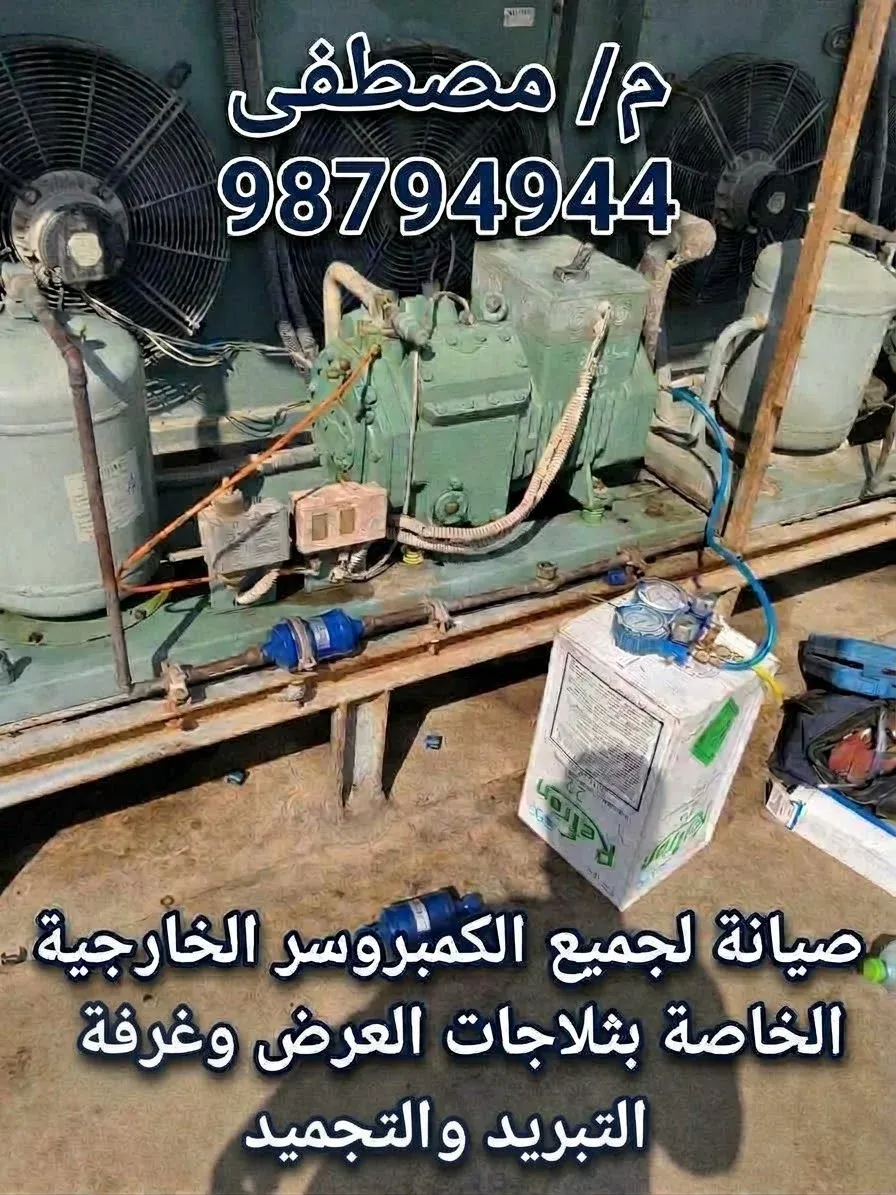
How much do wholesale vegetable cold rooms cost in Kuwait? There is no universal price for every installation, because the final cost depends on the room dimensions, internal height, insulation materials, compressor, evaporator, control system, humidity requirements, doors, and installation location. A cold room designed for crops with compatible requirements at one temperature may cost differently from a warehouse that needs separate temperature zones or additional control equipment.
Similarly, the cost of a cold room for fruit distribution is influenced by daily shipment movement, distribution methods, shelving or loading platforms, and the frequency of door opening. If a project requires refrigerated receiving areas or additional temperature and humidity monitoring equipment, these components should be clearly included in the proposed scope of work.
Factors Affecting Cold Room Installation Prices
|
Cost Factor |
How It Affects the Price |
|
Room length, width, and height |
Determines insulated panel quantities and refrigerated volume |
|
Insulation type and thickness |
Affects structural costs and thermal performance |
|
Compressor and condensing unit |
Depends on refrigeration load and operating conditions |
|
Evaporator and air distribution |
Varies according to capacity and product characteristics |
|
Humidity control |
May require additional sensors or equipment |
|
Doors |
Prices vary according to dimensions, opening type, and insulation |
|
Shelving and loading platforms |
Depend on materials, load capacity, and quantity |
|
Flooring |
Determined by insulation, expected loads, and cleaning methods |
|
Electrical work and pipework |
Depends on equipment locations and installation distances |
|
Testing and commissioning |
Depends on the agreed scope of work |
Do Vegetable and Fruit Cold Rooms Have Different Prices?
They can, because the cost depends on the technical specifications rather than the product category alone.
Certain crops require low temperatures and high humidity, while others may need different conditions or separation from ethylene-producing products.
If the warehouse stores several incompatible crops, the need for separate zones may affect construction, refrigeration, and control system costs.
Does the Price per Square Metre Include All Equipment?
Not necessarily. Some quoted prices cover only the insulated room structure, while other packages include refrigeration equipment and installation.
Special doors, shelving, flooring, electrical modifications, or other equipment may also be charged separately.
It is therefore important to request a clear quotation identifying what is included and excluded so that different offers can be compared fairly.
How Can You Reduce Project Costs Without Compromising Its Function?
Begin by selecting a capacity based on actual inventory requirements, grouping compatible crops, and organizing shelving and movement routes efficiently.
Reviewing the installation location and pipework routes early may also help avoid unnecessary modifications.
However, reducing costs by compromising essential insulation, safety equipment, or the refrigeration capacity required for the project is not advisable because these factors directly affect performance and product protection.
Request a Quotation That Matches Your Project
If you are preparing a vegetable warehouse or refrigerated fruit storage facility in Kuwait, begin by identifying the available space, the crops you intend to store, and your expected inventory quantities.
You can then inquire about installation costs and technical specifications through the official website of Cold Room and Display Refrigerator Maintenance.
Installing Vegetable Cold Rooms According to Crop Type: Site Inspection and Preparation Steps
Installing a vegetable cold room according to crop type requires a clear process that begins before any construction work starts. The appropriate operating temperature, humidity, and air distribution depend on the products and how they are handled. These requirements should therefore form part of the original design rather than becoming adjustments made after the refrigerated room has already been installed.
Kuwait's climate and the intended use of the warehouse must also be considered. A cold room that is opened frequently to receive shipments may have different refrigeration requirements from a facility that stores products for longer periods with relatively limited movement. Similarly, storage layouts designed for forklifts and pallets differ from those intended for manual handling.
Site Inspection
The process begins by measuring the available space and internal height, reviewing the floor condition, identifying the door location, and examining the routes used to move containers or trolleys.
Equipment locations, pipework arrangements, and accessibility for maintenance should also be evaluated.
Identifying the Crop List
The main products and expected inventory quantities are identified and classified according to their temperature, humidity, and ethylene sensitivity requirements.
This helps determine whether a single cold room is suitable or whether the operation requires multiple storage zones.
Calculating the Refrigeration Load
The calculation considers heat transfer from outside, product temperatures, loads caused by door opening, crop respiration, and equipment operation.
Daily operating conditions should also be included.
The required refrigeration capacity is then determined based on the relevant technical information.
Preparing the Design and Quotation
The proposed design should identify room dimensions, insulation specifications, refrigeration units, door locations, evaporator positions, shelving layouts, and temperature and humidity control equipment where required.
All specifications and the scope of work should preferably be approved in writing before installation begins.
Preparing the Site and Installing Panels
Site preparation, insulated panel installation, joint sealing, and door installation are completed according to the approved design.
The work should be carried out in a manner that reduces unwanted air infiltration and moisture entry while supporting appropriate cleaning procedures.
Installing Refrigeration and Control Equipment
Qualified technicians install refrigeration equipment, pipework, sensors, and controllers according to the system specifications.
Manufacturer instructions and relevant safety requirements should be followed throughout the installation.
Testing and Trial Operation
Testing includes checking connections, refrigeration circuit integrity, sensor operation, control functions, and the ability to achieve the required operating conditions.
It is important to understand that testing an empty room does not, by itself, establish performance under a full storage load.
Acceptance procedures should therefore be determined according to the agreed technical scope of the project.
Handover and Daily Operation
Employees should receive clear instructions on adjusting controller settings, monitoring temperature and humidity, cleaning equipment, and responding to alarms or unusual operating conditions.
Before accepting the warehouse installation, verify that the delivered specifications match the agreement and understand how storage conditions should be monitored, particularly when handling high-value or highly perishable crops.
Why Choose Cold Room and Display Refrigerator Maintenance for Your Warehouse in Kuwait?
Choosing a company to prepare a fruit and vegetable cold room should be based on technical clarity, the scope of services, and project costs. The installation will be used to store perishable products whose quality can deteriorate quickly under unsuitable conditions. For this reason, warehouse owners should understand the equipment required and the specifications they need to review before accepting any installation proposal.
Through Cold Room and Display Refrigerator Maintenance in Kuwait, you can inquire about commercial refrigeration solutions and explain the nature of your business, whether you operate a fruit and vegetable shop, wholesale warehouse, or distribution company. Providing details about available dimensions, crop types, inventory quantities, and delivery schedules helps make your quotation request more specific.
What Criteria Should You Review Before Signing an Installation Agreement?
|
Evaluation Criteria |
Benefit for the Project |
|
Identifying crop types |
Helps determine suitable storage conditions |
|
Calculating capacity and refrigeration load |
Clarifies refrigeration equipment requirements |
|
Insulation specifications |
Helps evaluate the insulated structure |
|
Humidity assessment |
Identifies possible additional equipment requirements |
|
Air distribution planning |
Supports suitable product storage arrangements |
|
Detailed quotation |
Explains the cost of individual components |
|
Commissioning tests |
Helps review performance before handover |
|
Warranty conditions |
Clarifies coverage and responsibilities |
|
Maintenance arrangements |
Supports continuous operational planning |
Why Is a Technical Quotation Important?
A technical quotation identifies the equipment, materials, and dimensions included in the project.
It allows you to compare available options instead of making a decision based only on the total price.
Two offers may have similar prices while differing significantly in insulation specifications, controller features, or humidity control equipment.
Does the Warranty Cover Every Component?
This depends on the warranty conditions and the agreement provided by the company.
You should request written clarification of the warranty duration, covered components, exclusions, and responsibilities for installation and maintenance work.
Do not assume that emergency services or a particular response time are included unless these arrangements are explicitly confirmed.
The Importance of Planning for Future Maintenance
Fruit and vegetable cold rooms require regular monitoring of door condition, evaporators, condensers, sensors, and drainage arrangements.
When equipment is positioned for convenient access and maintenance, operational problems can generally be addressed in a more organized way.
If you want to prepare a warehouse that supports the preservation of your products, begin by requesting specifications suited to the crops and your operating methods rather than simply selecting the lowest available price.
Common Fruit and Vegetable Cold Room Storage Mistakes and How to Avoid Product Losses
Even when a cold room is properly designed, incorrect operating practices can affect the quality of stored produce. Some mistakes involve unsuitable temperature settings, while others result from overcrowded containers, storing incompatible crops together, or failing to monitor humidity. When these problems continue, they may contribute to weight loss, undesirable changes in appearance and texture, or an increase in products that can no longer be sold at their intended quality level.
Preserving inventory therefore requires both a suitable technical design and effective daily procedures. Employees receiving shipments should understand how to handle incoming products, warehouse personnel should review temperature and humidity readings, and management should establish clear procedures for responding to refrigeration problems.
Storing Every Crop at the Same Temperature
One common mistake is assuming that lettuce, cucumbers, tomatoes, bananas, and apples can all be stored at one temperature.
In reality, these products differ significantly in their tolerance for low temperatures and their humidity requirements.
The appropriate solution is to classify products and identify compatible storage groups before placing them together.
Mixing Ethylene-Producing Fruits With Sensitive Crops
Certain fruits naturally produce ethylene, and exposing sensitive crops to this gas may cause undesirable changes in ripening, color, or quality.
The compatibility of different products should therefore be considered when allocating storage locations.
Stacking Containers in Front of Evaporators
Overcrowded containers that obstruct airflow can contribute to uneven storage conditions inside the cold room.
Excessive stacking may also place pressure on fruit or damage containers at lower levels.
The storage layout should preserve suitable air movement and allow employees to access products conveniently.
Increasing Humidity Without Considering Condensation
Suitable humidity is important for many crops, but increasing humidity without proper control may lead to condensation or problems affecting cleanliness and certain product qualities.
Temperature and humidity should be reviewed together, and airflow conditions should be assessed before changing settings.
Introducing Large Quantities of Warm Shipments
If a refrigerated storage room is not designed to cool warm shipments rapidly, introducing substantial quantities of these products may increase the internal temperature and affect the inventory already stored.
Appropriate procedures for managing incoming product temperatures should therefore form part of the warehouse operating plan.
Ignoring the Condition of Door Gaskets
Damaged door gaskets or poor sealing can allow outdoor air to enter the refrigerated space.
This may increase the thermal load and contribute to changes in humidity and condensation conditions.
Regular inspection, cleaning, and replacement when necessary help maintain effective door sealing.
Relying Exclusively on the Controller Display
A controller reading indicates the temperature measured by its sensor at a particular location.
It does not automatically prove that every product inside the warehouse has reached the required temperature.
Appropriate product temperature checks and monitoring procedures are particularly important when receiving new shipments.
Neglecting Preventive Maintenance
Dirty condensers, sensor problems, or blocked drainage systems may affect refrigeration performance over time.
A suitable inspection and maintenance program should therefore reflect the warehouse conditions and daily operating hours.
Operating Without an Emergency Response Plan
If a cold room stops working while substantial quantities of produce are stored inside, delays in responding may increase the risk of quality deterioration.
Warehouse operators should have procedures for monitoring temperatures, evaluating products, and transferring inventory to suitable alternative storage when necessary.
The essential principle: A well-designed cold room helps preserve produce, but inventory quality also depends on correct receiving procedures, organized storage, and continuous monitoring.
Frequently Asked Questions About Fruit and Vegetable Cold Rooms in Kuwait
What Is the Correct Temperature for a Fruit and Vegetable Cold Room?
There is no single temperature suitable for every crop.
Certain leafy and root vegetables can tolerate storage temperatures close to 0°C, while cucumbers and some tropical crops require higher temperatures to avoid chilling injury.
The correct setting depends on the product, its maturity, and the intended storage period.
How Much Does Wholesale Vegetable Cold Room Installation Cost in Kuwait?
Installation costs vary according to room dimensions, internal height, insulation materials, compressor capacity, evaporator specifications, temperature and humidity control systems, shelving, doors, and installation work.
For an accurate price, provide the project details and request a comprehensive quotation.
Can Bananas, Apples, and Cucumbers Be Stored in One Cold Room?
Generally, this is not recommended without suitable separation and environmental controls because their temperature requirements and ethylene sensitivity differ.
Bananas require warmer storage conditions than apples, while cucumbers are sensitive to certain low temperatures and ethylene exposure.
Separating incompatible crops is usually the better approach.
Does a Fruit Cold Room Require a Humidifier?
This depends on the stored crops, required humidity, and refrigeration system design.
Some facilities may need additional humidification equipment, while others may not.
The decision should follow an assessment of operating conditions and product requirements.
How Do I Determine the Required Fruit and Vegetable Cold Room Capacity?
Capacity depends on maximum inventory quantities, container dimensions, internal height, movement aisles, loading methods, daily shipment frequency, and incoming product temperatures.
Storage capacity in tonnes should not be determined from floor area alone.
Conclusion: Request a Fruit and Vegetable Cold Room That Matches Your Inventory and Budget in Kuwait
Choosing fruit and vegetable cold rooms in Kuwait with the correct temperatures and installation specifications requires careful attention to technical details that affect product quality and operating expenses. Different crops have different temperature and humidity requirements, and they also vary in their sensitivity to chilling and ethylene exposure. For this reason, the correct design begins with understanding the products, inventory quantities, and receiving and distribution procedures before selecting room dimensions, compressors, and insulation materials.
Whether you are comparing wholesale vegetable cold room prices, researching the cost of a fruit distribution cold room, or planning a refrigerated warehouse for imported vegetables, defining the specifications before installation helps you choose equipment suitable for your business and reduce the likelihood of unnecessary expenses.
Through Cold Room and Display Refrigerator Maintenance in Kuwait, you can inquire about commercial cold room installation solutions and equipment specifications suitable for retail shops, warehouses, and distribution companies.
Do you operate a fruit and vegetable shop or wholesale warehouse and want to know how much a cold room installation will cost?
Prepare your available dimensions, main crop types, and expected inventory quantities. Then request a quotation explaining the refrigeration equipment, insulation, controls, and required installation work.