Vegetable Misting System Installation in Kuwait: Cost & Setup
·
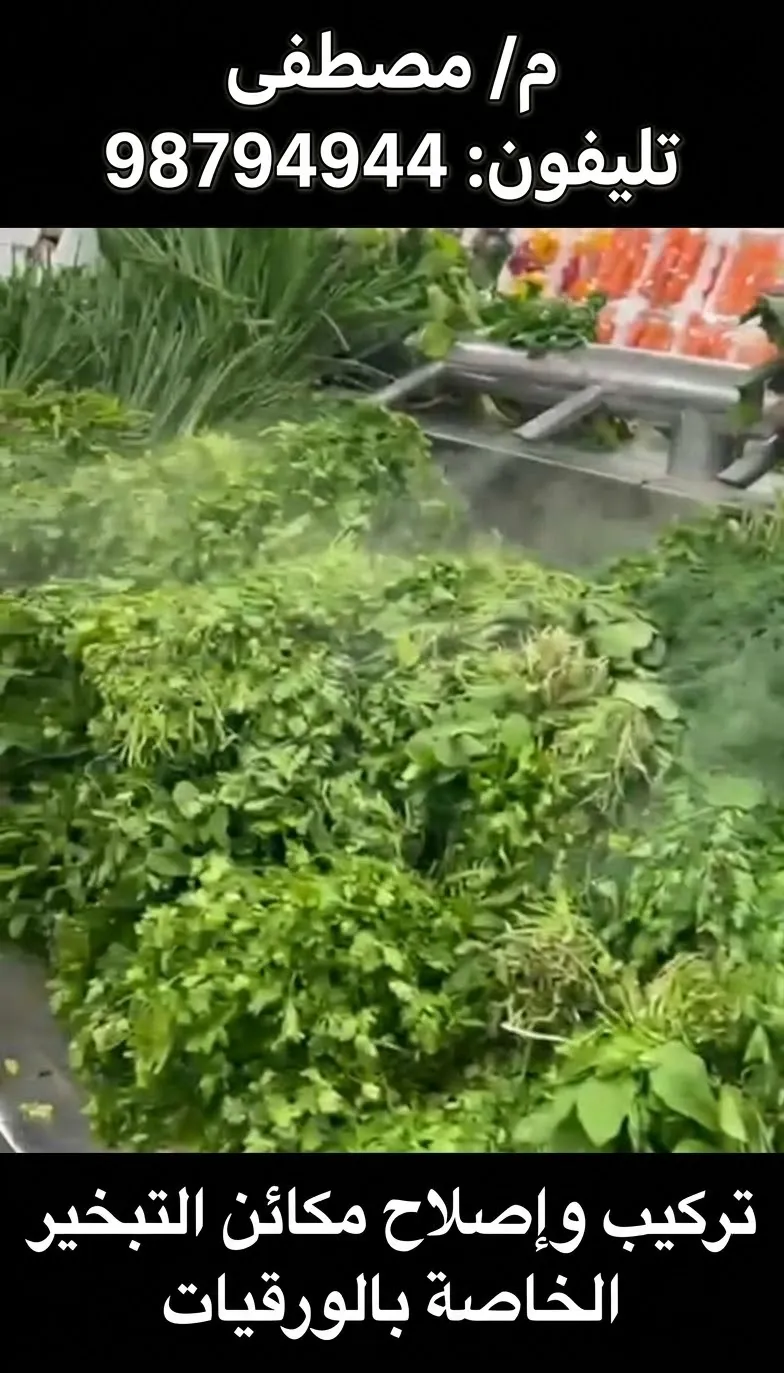
Installing a Vegetable Misting System for Leafy Greens in Supermarkets
If you own or manage a supermarket or cooperative society in Kuwait and notice that lettuce, arugula, parsley, and mint are losing their freshness while on display, you may need to consider installing a vegetable misting system for leafy greens in your supermarket.
A suitable misting system can help reduce moisture loss in certain fresh products. However, it requires potable water, appropriate nozzles, and carefully planned controls to prevent excessive moisture from causing vegetable deterioration or water accumulation.
Installation costs vary according to shelving length, the number of nozzles, pump type, and water supply and drainage requirements.
In this guide from Cold Room and Display Refrigerator Maintenance, we explain the specifications of vegetable misting equipment, the difference between misting and refrigeration, and how to equip fresh produce departments in cooperative societies and supermarkets.
We also cover the factors that determine installation prices and the steps involved in requesting this service in Kuwait.
1. Installing a Vegetable Misting System in Kuwait: How Does It Work, and What Are Its Benefits?
Direct answer: Installing a vegetable misting system in Kuwait involves equipment that distributes fine water droplets over selected fresh vegetables to help reduce moisture loss during display.
The system typically consists of a safe water source, suitable filtration equipment, a pump or mist-generating unit depending on the technology, pipes, nozzles, and a control panel that regulates operating intervals.
However, a misting machine is not a substitute for refrigeration, and it is not suitable for every type of vegetable or fruit.
Successful operation depends on the products being displayed, water quality, display temperature, shelving design, and the system's cleaning procedures.
What Is a Vegetable Misting Machine?
It is a system designed to distribute a light water mist across a vegetable display area using suitable nozzles or mist-generating technology.
The nozzles may be installed above the shelves or incorporated into specialized vegetable display equipment so that the mist reaches the intended area without unnecessarily wetting aisles or nearby equipment.
Droplet size and distribution vary according to the appliance, operating pressure, and nozzle specifications.
The intended result is controlled moisture application, not spraying the largest possible quantity of water.
Why Do Leafy Vegetables Lose Their Freshness While on Display?
Leafy vegetables contain a high proportion of water and may lose some of their moisture because of temperature, humidity, and air movement during storage and display.
As leaves lose moisture, they may begin to wilt, become less firm, and appear less attractive to customers.
However, wilting should not automatically be taken as proof that a store needs a misting machine.
The problem could be associated with unsuitable refrigeration, storage methods, or product quality when the vegetables were received.
The entire display area should therefore be assessed before selecting equipment.
What Are the Potential Benefits of a Misting System?
-
Reducing moisture loss: Appropriate misting may help limit wilting in certain leafy vegetables.
-
Improving product presentation: When leaves maintain their natural condition, the products may appear more attractive to customers.
-
Controlling moisture application: A control system allows operating intervals to be adjusted according to product requirements.
-
Covering specific areas: Nozzles can be arranged to serve selected sections of shelving.
-
Reducing repeated manual spraying: A suitable system may provide more consistent moisture application.
-
Serving larger produce departments: A system can be designed to cover several shelves or display zones within a supermarket.
These are potential benefits, not guarantees that the system will prevent deterioration or increase sales.
Actual results depend on product quality, refrigeration, hygiene, and management of the fresh produce department.
Does a Vegetable Misting Machine Refrigerate the Produce?
Misting may provide some evaporative cooling depending on the surrounding air conditions, but it does not replace refrigeration equipment designed to maintain products at suitable temperatures.
If the vegetable department requires a particular refrigeration temperature, that requirement must be provided for and maintained independently.
Spraying water onto products stored at unsuitable temperatures does not make their storage safe.
It is therefore essential to distinguish between moisturizing product surfaces and controlling display temperatures.
Is the System Suitable for Every Product?
No. Different vegetables and fruits respond differently to moisture and direct water contact.
Certain leafy vegetables may benefit from high-humidity conditions, while other products may deteriorate when they become excessively wet or when water accumulates around them.
Fresh produce safety guidance indicates that excessive misting may contribute to mold, spoilage, and microbial contamination risks under certain conditions.
The products requiring misting should therefore be identified, rather than directing water indiscriminately over every item in the department.
Does the Machine Require Special Water?
Water that may come into direct contact with fresh vegetables must be potable and comply with applicable health requirements.
Components that contact the water should also be suitable for cleaning and sanitizing according to the manufacturer's instructions.
A food-contact misting system should not be operated using water of unknown quality or stagnant water without appropriate treatment.
Unapproved additives, fragrances, and chemicals should also never be introduced into the misting water.
When Is Installing a Misting System Appropriate?
Installation may be suitable when a produce department contains particular vegetables that benefit from reduced moisture loss and when safe water, routine cleaning, and appropriate drainage can be provided.
However, if vegetables are wilting because of poor refrigeration or excessive storage time, misting alone will not correct the underlying cause.
It is therefore preferable to begin by assessing the shelves, products, and display conditions.
If you have a leafy vegetable department in your supermarket, contact Cold Room and Display Refrigerator Maintenance to inquire whether a misting system is suitable for the department's size and installation requirements.
2. Price of a Leafy Vegetable Humidifier: What Determines the Purchase Cost?
When asking about the price of a leafy vegetable humidifier, it is important to distinguish between the price of the machine itself and the cost of a complete system ready to operate inside a supermarket.
Some devices are sold as standalone units, while commercial projects may require pumps, pipes, nozzles, controls, filtration, water supply connections, drainage arrangements, and installation.
For this reason, a final vegetable misting system price cannot be established without knowing the shelving length, product types, and components included in the required system.
Is There a Standard Price for a Vegetable Misting Machine?
There is no single price that represents every system because humidification equipment differs in technology, capacity, and the way it produces mist.
Prices may also vary depending on whether the machine serves one shelf or several rows in a large produce department.
In some cases, the mist-generating unit is supplied separately from the piping, nozzles, and installation work.
You should therefore establish whether the quoted price covers only the machine or every component necessary for the department to operate the system.
What Components Are Included in the System Cost?
-
Mist-generating unit: Specifications and costs vary according to the operating technology.
-
Pump: Where the system relies on water pressure, the pump is selected according to the design and nozzle requirements.
-
Nozzles: Their number and type depend on shelving length and the coverage required.
-
Water pipes: Quantities depend on installation routes and distances between the unit and the nozzles.
-
Filtration: The system may require suitable equipment to protect components and maintain water quality.
-
Control panel: Regulates misting intervals, shutdown periods, and other available functions.
-
Drainage: Helps prevent water accumulation in display areas and walkways.
-
Installation and testing: Includes connecting components and checking mist distribution according to the agreed scope.
-
Maintenance and sanitization: Cleaning, consumable components, and ongoing monitoring costs must also be considered.
Does Increasing the Number of Nozzles Increase the Price?
Adding more nozzles, pipes, and associated components may increase the cost, but the relationship is not necessarily linear.
Some system components, such as the control panel or pump, may be capable of serving several shelves if their capacity is suitable.
On the other hand, long pipe runs or different shelving arrangements may require additional equipment.
The total project cost cannot therefore be calculated simply by multiplying the price of one nozzle by the number required.
Does Shelf Length Determine the Machine's Capacity?
Shelf length is an important factor, but it is not the only one.
The depth of the display area, nozzle height, number of shelf levels, and product arrangement must also be considered.
The required mist characteristics and the pressure or technology used by the device should be reviewed.
Two shelving units of identical length may require different nozzle arrangements because of differences in their design and intended coverage.
Are Filters Included in the Machine Price?
That depends on the system and commercial quotation.
Certain systems require filtration to protect nozzles from clogging, but filter selection should be based on water quality and equipment instructions.
Mechanical filtration alone does not mean that water has become microbiologically safe.
A distinction must therefore be maintained between protecting components from particles and ensuring water is suitable for use on food products.
Does Installation Cost Differ Between a Grocery Store and a Cooperative Society?
It may differ according to department size, shelving length, number of misting points, and water supply and drainage arrangements.
Installing a system for one shelf in a small store is different from equipping several rows inside a cooperative society.
The site may also require electrical work, mounting arrangements, or modifications to the display shelves.
Installation costs must therefore reflect the site and required equipment rather than being determined by the business category alone.
Does the Lowest Price Always Mean Better Savings?
Not necessarily. A lower-priced device may be suitable for a small project, but it could lack the specifications required by a large department or features that make cleaning easier.
At the same time, purchasing an expensive system with substantially greater capacity than required may be unnecessary.
It is better to compare component quality, maintenance accessibility, controls, replacement part availability, and warranty conditions.
Water safety and ease of cleaning are essential considerations that should not be sacrificed simply to reduce the purchase price.
How Can You Request a Clear Quotation?
Identify the shelving length, number of shelves, water source location, and the products intended for misting.
Then request a quotation that specifies the machine, nozzles, piping, controls, filtration, drainage, and installation work.
It is also important to establish which items are excluded, along with cleaning, maintenance, and warranty conditions where applicable.
This allows you to compare the cost of the complete system rather than just the misting machine.
3. Installing a Supermarket Misting System: Site Inspection, Installation, and Commissioning
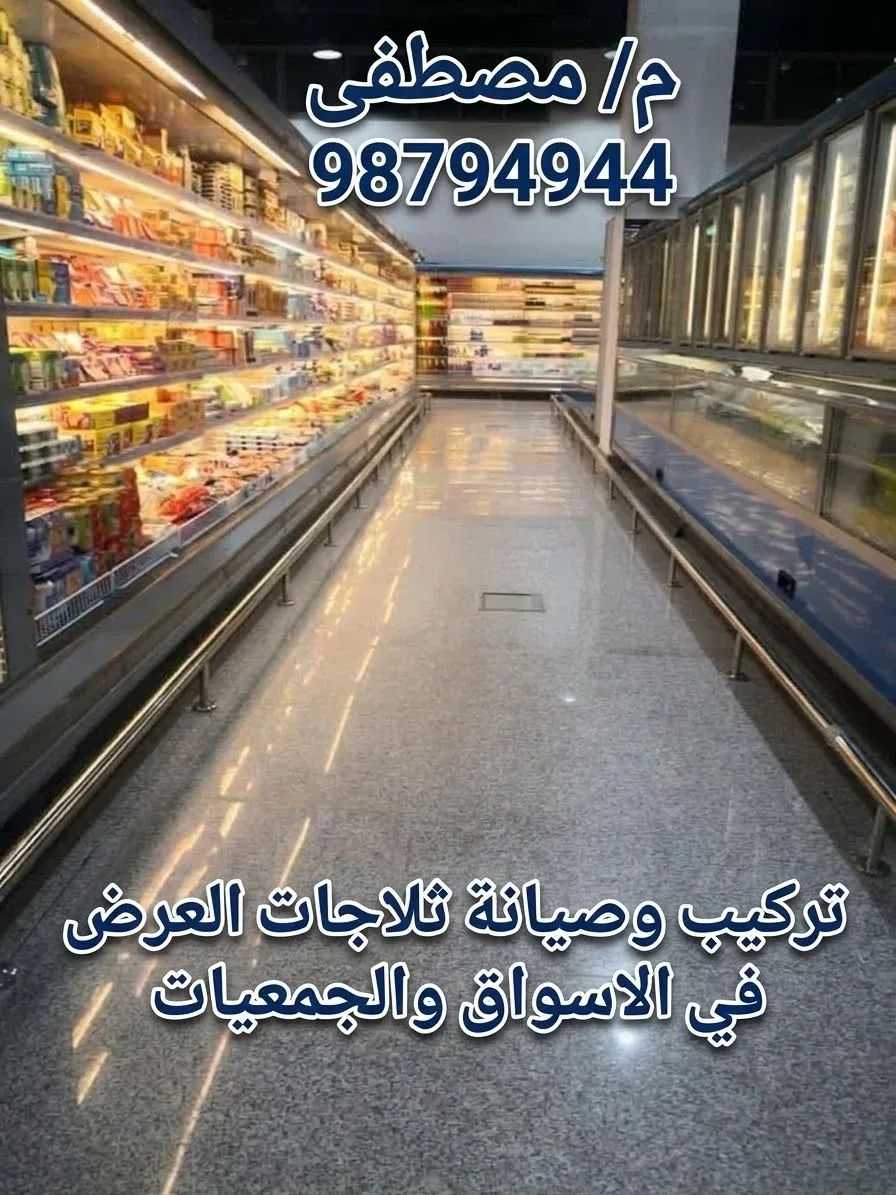
Installing a supermarket misting system requires planning that begins with the layout of the vegetable department and ends with testing water distribution and establishing procedures for cleaning the components.
The system consists of more than a machine and a set of nozzles. It also requires a safe water supply, suitable piping routes, controls that prevent excessive spraying, and equipment that allows water-contact components to be maintained properly.
The clearer these details are before installation, the less likely the system is to develop problems involving water accumulation, clogged nozzles, or unwanted mist reaching products that should not be sprayed.
Step One: Inspect the Vegetable Display Department
The site inspection begins by measuring shelving length, depth, and height while identifying the products on display and the locations used by customers and employees.
The nature of the department must also be assessed. Is it an open area inside the supermarket, or does it contain refrigerated display units?
Air movement, temperature, and shelving design all influence how the mist spreads.
The locations of electrical connections, water supplies, and drainage facilities must also be identified before deciding where to install the operating unit.
Step Two: Identify Products Suitable for Misting
A list of products that may benefit from misting should be prepared, with the requirements of each product group reviewed.
Not every green-colored product necessarily benefits from direct spraying.
Packaged products may need protection from water reaching their labels or packaging, while other produce varieties may deteriorate when exposed to excessive moisture.
For this reason, it is preferable to divide the display area into separate operating zones rather than applying the same spraying program throughout the department.
Step Three: Assess the Water Supply
The water used must be potable and suitable for applications that may involve contact with fresh produce.
Connections also require appropriate measures to prevent backflow into the water supply, in accordance with applicable public health and plumbing requirements.
U.S. Food and Drug Administration guidance emphasizes the importance of water quality, cleaning components that come into contact with water, and inspecting and maintaining backflow prevention devices.
Water should not be considered safe simply because it is clear or has no noticeable odor.
Step Four: Choose the Location of the Misting Unit
The location of the machine is determined according to its size, operating requirements, pipe routes, and maintenance needs.
Ideally, the unit should be accessible without unnecessarily disrupting the vegetable department or exposing customers to operating components.
Electrical components must also be protected from water and moisture according to the equipment specifications.
If the system includes a tank, the tank must be accessible for draining, cleaning, and sanitizing.
Step Five: Install the Pipes and Nozzles
Piping and nozzles are installed according to a layout that provides the required coverage without directing water unnecessarily toward walkways or equipment.
Pipe arrangements should also avoid creating sections where water remains stagnant for extended periods.
Materials suitable for water intended to contact food should be used according to the relevant specifications.
Nozzles must also be accessible for inspection, cleaning, or replacement when necessary.
Step Six: Connect the Control Panel
The controller is configured to regulate misting cycles and intervals between operations according to product requirements and system design.
The functions available differ between devices. Some use timers, while others provide additional control options depending on the model.
However, increasing the number of spraying cycles does not automatically improve moisture control.
The objective is to establish an operating program that provides appropriate benefits without soaking products or allowing water to accumulate on the shelves.
Step Seven: Test Mist Distribution in the Department
After installation, the direction of the nozzles, product coverage, shelf condition, and surrounding walkways are inspected.
The system should also be checked for leaks in the pipework and unintended spraying near electrical equipment.
Operating and shutdown procedures, cleaning arrangements, and drainage must also be reviewed.
If some areas become excessively wet while others receive insufficient mist, the nozzle distribution may need adjustment.
Step Eight: Provide Operating and Maintenance Instructions
The department manager needs to understand how to operate the controls and when to inspect and clean the nozzles, tank, and pipes.
Instructions should explain when the system must be shut down, especially if water contamination is suspected, unusual odors appear, or dirt accumulates inside the system.
It is useful to document installed components, piping routes, and manufacturer operating instructions.
If you are preparing a new supermarket, you can contact Cold Room and Display Refrigerator Maintenance to inquire about inspecting the vegetable department and discussing its technical requirements before approving misting system installation.
4. Vegetable Misting Machines for Cooperative Societies: Safely Equipping Large Produce Departments
A vegetable misting machine for cooperative societies requires a design suitable for spacious display departments containing large quantities of products and receiving customers throughout the day.
A cooperative society may display lettuce, arugula, parsley, and mint alongside other products with different moisture requirements.
It is therefore inappropriate to apply the same mist intensity and schedule across the entire department.
Coverage should be organized according to product type, shelving arrangement, and hygiene requirements.
How Does Installation in a Cooperative Society Differ From a Small Grocery Store?
A cooperative society may have long display rows and several areas for leafy and non-leafy products.
This can require nozzles to be distributed across multiple zones, with suitable balance between misting points.
Customer traffic may also be greater, making it particularly important to prevent mist from reaching walkways or water from accumulating on floors.
In a small grocery store, the requirements may be limited to a system serving one shelf or a smaller display area.
Can One Machine Operate Several Shelves?
This may be possible if the machine's specifications and capacity allow it to operate the required number of nozzles and piping runs.
However, the decision requires an understanding of pipe lengths, operating pressure requirements, or the misting technology involved.
It should not be assumed that simply adding more nozzles to any machine will produce the same results.
If expansion exceeds the device's capacity or results in uneven mist distribution, the system design may need modification.
How Should the Vegetable Department Be Divided Into Zones?
The department can be divided according to product categories and display conditions, with independent zones or groups of nozzles serving products with similar requirements.
This arrangement can help avoid spraying products that do not require direct water contact.
It also makes it easier to evaluate the performance of individual areas when a problem occurs.
However, the actual zoning method depends on the shelving layout and equipment design and must be technically approved before installation.
Is Continuous Misting Suitable for Cooperative Societies?
Continuous operation should not automatically be considered the best approach.
Excessive misting may leave water on leaves and shelves and increase the likelihood of deterioration in certain products.
Water accumulation may also create hygiene problems or slipping hazards within the department.
It is better to establish a suitable operating schedule according to product requirements and then review it based on the actual condition of the products and shelving.
How Can a Cooperative Society Keep the System Clean?
A written plan is needed for cleaning the tank, piping, nozzles, and all other components that come into contact with the water.
It is important to prevent water from remaining stagnant inside parts of the system during periods of inactivity, according to the equipment design and cleaning instructions.
Fresh produce safety guidance recommends using potable water and designing systems that can be cleaned and sanitized, including draining water during shutdown periods to prevent stagnation.
Manufacturer instructions and applicable local requirements must be followed. A sanitization procedure intended for one machine should not simply be copied and applied to another.
Does a Cooperative Society Need an Employee to Monitor the Equipment?
It is preferable to assign responsibility for monitoring the equipment within the department's operating procedures.
This does not necessarily mean assigning one employee exclusively to the machine throughout the day.
However, someone should understand how to shut down the system and recognize unusual changes in its operation.
Suitable duties include monitoring shelf cleanliness, nozzle condition, water sources, and recording faults or observations about moisture application.
The maintenance provider should be notified when a problem cannot be resolved through normal operating procedures.
What Standards Should Be Used to Compare Installation Quotations for Cooperative Societies?
-
Suitability of the system for shelving length and the number of display zones.
-
Compatibility of materials and water-contact components with their intended food-related use.
-
Clear potable water and filtration requirements.
-
Easy access to tanks and nozzles for cleaning.
-
Suitable controls for operating different zones.
-
Drainage arrangements that prevent water accumulation.
-
Protection of electrical connections from moisture.
-
Clear installation, testing, and handover requirements.
-
Availability of maintenance instructions and replacement components.
-
Written warranty coverage and conditions, where offered.
These standards help cooperative society management evaluate suppliers. They should not be interpreted as a claim that every supplier automatically provides all these features.
5. Supplying a Water Mist Generator for Vegetable Departments: Misting Versus General Humidification
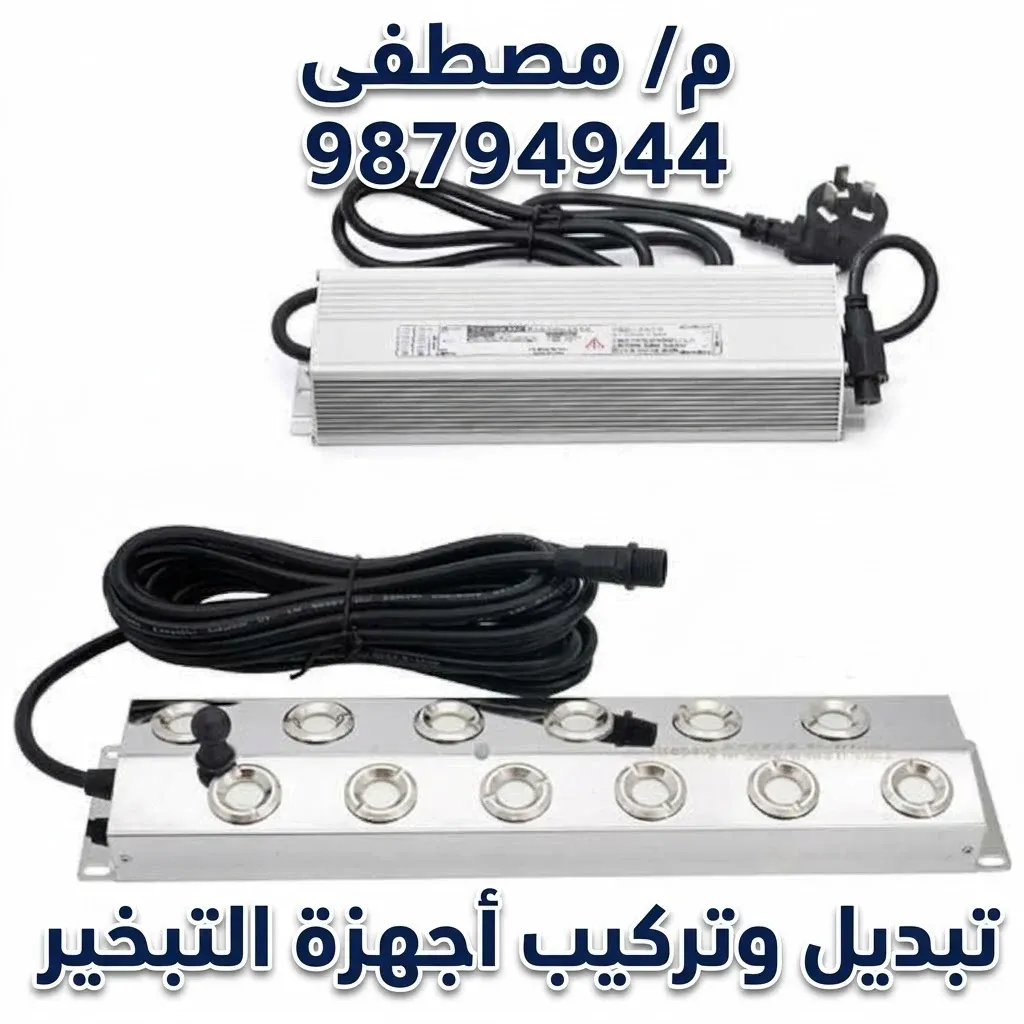
When considering supplying a water mist generator for a vegetable department, you need to understand the difference between equipment designed to spray products directly and devices intended to raise the humidity of the surrounding air.
Both systems may create a similar visible effect, such as a light mist, but their operating methods, water paths, and components differ.
Most importantly, equipment used near exposed food must be suitable for that purpose, rather than simply being a humidifier designed for another environment.
What Is the Difference Between a Misting Machine and an Air Humidifier?
A misting machine used above vegetables may direct fine water droplets toward a specific display area.
An air humidifier, by contrast, may be designed to increase humidity within a particular space without targeting products directly.
The two types of equipment are not interchangeable in every application.
Water distribution methods, contact with products, and hygiene requirements may differ significantly.
Are Household Mist Generators Suitable for Supermarkets?
Not necessarily. A household device may be designed for a living room or another limited area, rather than for use near exposed food products.
Its materials, cleaning arrangements, and capacity for continuous operation may also differ from the requirements of a commercial produce department.
It is therefore essential to confirm that the manufacturer has designed or approved the equipment for the intended application.
A device should not be placed above produce merely because it generates visible mist.
Why Is Mist Droplet Size Important?
Droplet size affects how water spreads, remains suspended, and reaches surrounding surfaces.
Certain systems produce very fine mist, while others produce relatively larger droplets.
However, droplet size should not be selected based solely on how the mist looks.
The selection must relate to product type, water distribution, nozzle design, surrounding airflow, and hygiene requirements.
Does Every Mist Generator Need a Pump?
The need for a pump depends on the technology used.
Some systems force water through nozzles using a pump, while other technologies generate mist through different methods.
The device's operating principle must therefore be understood before preparing the quotation.
Nozzle quantities, operating pressure, and maintenance requirements are all linked to the type of system.
Can the System Use Water From an Untested Storage Tank?
Water from a source of unknown quality should not be used on products that may be consumed without cooking.
The misting water may directly contact surfaces that consumers will eat.
International fresh produce safety guidance emphasizes the importance of water quality and keeping food-contact surfaces and equipment clean, because water can transfer contaminants.
The source of water must therefore be evaluated and its safety maintained throughout use.
What Specifications Should Be Compared When Choosing a Mist Generator?
It is useful to review the device's capacity, nozzle specifications, water requirements, and methods of control and cleaning.
Noise levels, mounting arrangements, and accessibility for maintaining pipes and tanks should also be considered.
If the system uses consumable components such as filters, their replacement procedures and costs should be established.
It is better to request written technical information rather than relying on general marketing descriptions such as "powerful mist" or "continuous humidification."
Does Dense Mist Mean Better Performance?
No. Dense mist may be visually attractive, but it does not prove that the products are receiving an appropriate level of moisture.
Excessive spraying may cause unwanted wetness, hygiene concerns, and deterioration of certain produce varieties.
Visible mist around customers must also not compromise floor safety, visibility, or electrical equipment.
The objective is a system appropriate for the products, not merely an impressive visual effect.
6. Installing Misting Nozzles for Vegetable Displays: Distributing Water Without Excessive Wetness
Installing misting nozzles for vegetable displays directly influences system performance because the nozzles determine the direction of the water and how it spreads across the display area.
Even when the mist-generating machine is suitable, uneven results can occur if nozzles are incorrectly positioned or directed toward areas that do not require moisture.
For this reason, nozzle quantities and positions must be based on the shelving layout and products, rather than simply installing a nozzle at fixed intervals without evaluating the design.
How Is the Number of Nozzles Determined?
The process begins by measuring the display area's length, depth, and the height of the misting points above the products.
The nozzle's specifications, spray pattern, and appropriate operating pressure must also be considered.
Some shelving arrangements may require different nozzle distribution because they contain multiple levels or internal dividers.
There is therefore no single rule that can be applied to every vegetable department based only on shelving length.
Where Should Nozzles Be Installed?
Positions should be selected to achieve the intended coverage without unnecessarily directing mist toward customers or walkways.
The nozzles should also remain accessible for cleaning and inspection.
In some designs, piping can be concealed within the department's fixtures, provided the arrangement does not compromise installation safety or maintenance accessibility.
The final decision depends on shelving design, system type, and manufacturer specifications.
Does Nozzle Direction Affect Vegetable Freshness?
Nozzle direction influences where the water reaches and therefore how moisture is distributed.
If a nozzle concentrates mist on a small area, that section may become significantly wetter than the surrounding products.
If mist fails to reach the intended area, the desired benefit may not be achieved.
The spray direction should therefore be checked during system testing while avoiding excessive saturation of the leaves.
Why Do Some Nozzles Become Clogged Quickly?
Clogging may result from particles or deposits in the water, nozzle condition, or inadequate maintenance.
Filtration quality and cleaning procedures can also affect how frequently blockages occur.
However, wires or other unsuitable tools should not be used to clear nozzles if they could damage the small openings.
It is preferable to follow the manufacturer's cleaning procedures and replace the component when necessary.
What Are the Signs of a Nozzle Problem?
A problem may become apparent when one nozzle stops producing mist or its droplets appear noticeably different from those produced by the other nozzles.
You may also notice water accumulating near one point or substantial differences in coverage between shelves.
These symptoms may require checking the pressure, piping, or nozzle condition, depending on the equipment.
The system pressure should not be increased randomly to compensate for a blocked nozzle because doing so may affect other components.
Is Drainage Necessary Beneath the Shelves?
This depends on the display design, quantity of water, and likelihood of accumulation.
However, if the system produces water that needs to drain away, there must be a safe method of handling it to prevent accumulation in walkways or near electrical equipment.
Water that has drained from the display or become contaminated must also be prevented from entering the clean water supply.
Areas beneath the shelves should remain accessible for cleaning.
Can More Nozzles Be Added After Installation?
Expansion may be possible if the misting unit and piping can operate the additional nozzles within the required specifications.
However, adding many nozzles without reviewing the system may affect pressure distribution or mist volume.
It is better to plan for potential expansion when the system is designed, particularly if a cooperative society intends to increase the size of its vegetable department in the future.
Cleaning and drainage arrangements must also be reviewed after any modifications.
How Can You Confirm That Installation Was Successful?
Mist should be observed coming from all nozzles, and water distribution over the intended areas should be checked.
There should be no leaks or inappropriate wetness in surrounding walkways.
Testing must also examine the system's performance during operating and shutdown cycles, rather than only during the first few seconds.
It is preferable to document observations and any necessary adjustments before handover.
7. Humidifying Lettuce and Arugula in Stores: Which Products Benefit From Misting?
If you are considering a humidification system for lettuce and arugula in your store, it is important to recognize that leafy vegetables do not all respond to misting in exactly the same way.
Appropriate moisture application may help reduce water loss in certain varieties. However, excessive water or poor hygiene may have the opposite effect.
The product type, required storage temperature, condition upon arrival, and display arrangement should all be reviewed before approving a fixed misting program.
Does Lettuce Need Misting?
Fresh, unpackaged lettuce may benefit from suitable humidity conditions that help reduce moisture loss and wilting during display.
However, providing suitable humidity is not the same as soaking the leaves or leaving them constantly wet.
Storage temperature also remains important for maintaining product quality and safety.
Agricultural guidance explains that leafy vegetables generally require relatively high humidity to reduce wilting, while standing water should be avoided because it can increase cross-contamination risks.
What About Arugula, Parsley, and Mint?
These products may lose moisture relatively quickly when displayed under unsuitable conditions.
However, the benefits of misting depend on leaf condition, packaging, display methods, and how long the products remain in the department.
The same misting cycle should not automatically be used for every product without reviewing its actual effect.
It may be appropriate to divide products into separate areas according to their moisture requirements.
Is Misting Suitable for Packaged Vegetables?
Not always. Some packages are designed to maintain particular conditions inside them, and spraying may wet labels or cause water to accumulate on the packaging.
Product instructions must also be followed, and packages should not be opened simply to expose their contents to mist.
Products that have been prepared and packaged for direct consumption may have different storage and handling requirements.
The type of packaging and storage instructions should therefore be reviewed before directing water toward it.
Can Misting Replace Refrigeration for Leafy Vegetables?
No. Misting can help manage one aspect of the display conditions for certain products, but it cannot replace suitable refrigeration when refrigeration is required.
If leaves are exposed to high temperatures, their quality may deteriorate even when visible mist is present.
Misting also does not make products safe if they were previously stored improperly.
The best approach is to combine suitable storage conditions, moisture control where appropriate, hygiene, and inventory monitoring.
Can Wilted Vegetables Be Sprayed Until They Look Fresh Again?
Some leaves that have experienced limited moisture loss may improve in appearance after moisture is restored.
However, misting does not reverse every cause of wilting or deterioration.
If products are old, spoiled, contaminated, or have been exposed to unsuitable storage temperatures, they should not be used or displayed simply because their appearance improves.
Spraying also does not sanitize vegetables or necessarily remove contaminants from their surfaces.
Product suitability must therefore be assessed independently of how the vegetables look after misting.
How Can You Tell Whether the System Is Spraying Too Much Water?
Warning signs include visible pools of water on shelves or beneath products and leaves that remain excessively wet.
You may also notice changes in the quality of certain vegetables or damp areas that are difficult to clean.
In these situations, the system settings, nozzle distribution, and drainage arrangements should be reviewed.
An increase in the amount of water should not automatically be considered an improvement in vegetable quality.
What Is the Responsibility of the Vegetable Department Employee?
Employees should monitor product condition, organize stock, and remove deteriorated vegetables from among the products on display.
They should also watch for water accumulation and report malfunctions or changes in mist distribution.
Cleaning procedures for tools, shelves, and products must be followed.
The misting machine should never be considered a substitute for regular product sorting or maintaining the required storage conditions.
8. Cost of a Misting System for Vegetable Shelves: Pumps, Nozzles, and Piping
The cost of a misting system for vegetable shelves varies according to the area covered, number of spray points, equipment specifications, water connections, and control arrangements.
One shelf may require a relatively limited installation, while a long department inside a cooperative society may need several operating zones and additional piping.
The price cannot therefore be calculated solely from the floor area or the number of nozzles.
It is preferable to divide the project into clearly defined technical components before establishing the budget.
How Is the Total Cost Calculated?
The project's cost can be organized using the following formula:
Total cost = Mist-generating unit + Nozzles + Piping + Water supply and filtration equipment + Controls + Drainage + Installation and testing + Any additional required work.
This is a formula for identifying and adding together the necessary cost components, not a method for producing a final price without knowing the actual equipment costs.
The quotation should also be checked to establish whether cleaning materials, initial maintenance, and consumable replacement parts are included.
Example: Equipping One Vegetable Display Shelf
Suppose a supermarket needs to provide misting over one display area of a specified length, with a suitable water supply located nearby.
In this case, the required work may be more limited than in a project containing several widely separated shelves.
However, the price still depends on equipment type, nozzle quantity, piping routes, controls, and drainage.
Shelf length alone cannot establish the necessary number of nozzles or the misting machine's required capacity.
Example: Equipping Several Shelves in a Cooperative Society
If the department contains several display rows, the system may need to cover different areas with suitable control over misting operations.
Pipe lengths, nozzle quantities, mounting requirements, and drainage arrangements may also increase.
It may be useful to provide a way to shut down an individual zone for cleaning or maintenance if the selected design supports this function.
Equipping a cooperative society may therefore cost differently from installing misting over one shelf, even when similar products are involved.
Are There Fixed Prices per Linear Meter?
Some suppliers may use shelving length when preparing a preliminary estimate, but it is not sufficient to establish the total system cost.
Equipment type, water piping routes, nozzle requirements, and control arrangements vary between sites.
A project may also need specialized water treatment or drainage preparation.
It is therefore better to request pricing for the actual components and work rather than relying on one standard price per meter.
What Expenses Might Be Excluded From the Price?
Some quotations may exclude preparing the water supply, electrical work, shelving modifications, or drainage.
Filters, consumable parts, and regular cleaning services may also fall outside the basic price.
Excluded items should therefore be reviewed carefully before the quotation is approved.
An initially lower price may not represent the lowest total project cost if additional necessary work becomes apparent later.
Does the Machine Require Expensive Maintenance?
Maintenance requirements vary according to technology, component type, water quality, and operating practices.
Nozzles may need cleaning or replacement, and filters may require monitoring according to their specifications.
If the system includes a tank, draining, cleaning, and sanitizing it becomes an important part of safe operation.
You should therefore request maintenance instructions and information about recurring material and replacement part costs before purchasing.
Why Is It Important to Compare Operating Costs?
In addition to the purchase and installation price, water consumption, electricity, hygiene requirements, and maintenance should all be considered.
It should not be assumed that a particular system will reduce water consumption or food waste by a fixed percentage without actual measurements.
Results may differ according to product types, display duration, surrounding conditions, and the operating program.
The better approach is to select equipment suitable for the department's requirements that can be cleaned and maintained consistently.
A Table to Help Compare Quotations
|
Comparison item |
Details required |
|
Equipment type |
Mist-generation technology and operating specifications |
|
Coverage area |
Shelving length, depth, and number of zones |
|
Nozzles |
Type, quantity, and installation locations |
|
Pump |
Specifications and suitability for the design, where required |
|
Water |
Supply source and quality requirements |
|
Filtration |
Type, function, and replacement costs |
|
Controls |
Method of adjusting misting cycles |
|
Pipes |
Materials, routes, and cleaning procedures |
|
Drainage |
Management of accumulated water |
|
Installation |
Included work and operating tests |
|
Maintenance |
Cleaning, sanitization, and consumable components |
|
Warranty |
Coverage, conditions, and exclusions, if provided |
If you need to determine the cost of a misting system for your vegetable department, it is preferable to request a detailed quotation covering all components, preparation work, and maintenance requirements before approving the price.
9. Preparing a Fresh Vegetable Misting Machine: Safe Operation and Preventive Maintenance
Preparing a misting machine for fresh vegetables requires attention to what happens after installation because the system handles water that may come into direct contact with exposed food products.
It is not enough to verify that the nozzles produce suitable mist when the machine is handed over.
Procedures must also be established to maintain water quality, clean pipes, nozzles, and tanks, and review operating conditions.
A system that is not properly cleaned may become a source of risk to products instead of helping maintain their appearance.
What Is the Most Important Procedure Before Daily Operation?
The equipment instructions should be followed to verify that the water source and misting system are ready before operation begins.
Unusual odors, unexpected changes, leaks, and blocked nozzles should also be checked.
If the system includes a water tank, the prescribed water management, draining, and cleaning procedures must be followed.
The equipment should not be operated when water contamination is suspected or an unresolved hygiene problem exists.
Why Must Water Stagnation Be Prevented?
Stagnant water in tanks or piping may create conditions that encourage microbial growth, depending on the system's condition and surrounding environment.
For this reason, food safety guidance emphasizes designing water pathways so that they can be cleaned and drained, while minimizing areas that are difficult to access.
Guidance also recommends avoiding water remaining inside the system during periods when it is not in use, according to the equipment design and approved procedures.
This makes ease of cleaning an important purchasing criterion rather than merely an optional feature.
How Often Should Nozzles and Tanks Be Cleaned?
Manufacturer instructions and applicable local health requirements must be followed. Where multiple applicable requirements differ, the more stringent procedure should be used.
As a technical example, food establishment regulations in certain U.S. states require the tanks and components of some produce misting systems to be cleaned at least weekly, including draining, cleaning, rinsing, and sanitizing components according to specified procedures.
However, these rules are examples from another regulatory jurisdiction and should not be presented as legal requirements automatically applicable in Kuwait.
Sanitizing chemicals or concentrations should not be selected without reviewing equipment instructions, approved materials, and applicable safety requirements.
Is Replacing the Water Enough Without Cleaning the Pipes?
No. Changing the water alone does not ensure that the internal surfaces of tanks, pipes, and nozzles are clean.
These components may require suitable cleaning and sanitizing procedures to remove deposits and reduce contamination risks.
Areas where fresh water does not circulate effectively must also receive attention.
It is therefore preferable to choose a system whose maintenance components can be removed or accessed in the manner specified by the manufacturer.
What Causes Unusual Odors From a Misting System?
An unusual odor is a reason to stop using the water on products until the cause has been identified.
The problem may involve the tank, water source, or another part of the system. Its exact nature cannot be established from the smell alone.
Fragrances or unapproved chemicals should never be added to the water simply to conceal the odor.
The better approach is to temporarily remove the system from food-related use and arrange an appropriate assessment of the water and equipment.
Can Mineral Deposits Clog the Nozzles?
Some nozzles may be affected by deposits or particles, depending on water quality and system design.
Suitable filtration may help protect certain components, but it does not eliminate the need for cleaning.
Mineral removal and microbiological treatment are also different processes, and each problem requires its own assessment.
Water characteristics should therefore be understood before treatment equipment is selected, rather than purchasing filters without identifying the need.
How Should You Respond to Water Leaking Near Electrical Equipment?
If a leak appears near electrical equipment, people should be kept away from the hazardous area, and wet electrical components should not be touched.
The system may need to be shut down using a safe method by a qualified person, followed by leak repair before operation resumes.
The floor should also be cleaned, and measures taken to prevent customers and employees from slipping.
The machine should not be restarted simply because visible leakage has stopped if electrical components may have been affected.
What Is the Benefit of a Maintenance Log?
A maintenance log helps document system cleaning dates, filter replacements, nozzle inspections, and any faults that have occurred.
It can also record procedures related to water quality and observations concerning mist distribution or drainage.
This information is useful when a particular problem returns and helps department managers monitor compliance with operating procedures.
It is preferable to identify the person responsible for reviewing the log and reporting faults.
Does Preventive Maintenance Eliminate All Breakdowns?
No maintenance program can guarantee that faults will never occur.
However, organized maintenance may help identify blockages, leaks, and abnormal operating changes early.
It can also reduce the likelihood of neglecting the cleaning of water-contact components.
Maintenance procedures must be suitable for the machine's design and operating conditions and must include the necessary hygiene requirements.
Most importantly, the system should not be used on products when water safety is in doubt until the problem has been assessed.
10. Requesting Commercial Vegetable Humidification Installation: Quotations and Service Arrangements
When requesting commercial vegetable humidification system installation in Kuwait, it is preferable to begin by identifying the department's size, target products, and display arrangements before selecting the machine or the number of nozzles.
A small supermarket may need a relatively limited system, while a cooperative society may require equipment covering several shelves with appropriate controls for different zones.
Neither the price nor the equipment should be approved before the water source, hygiene requirements, drainage, and installation safety have been reviewed.
Step One: Identify the Department's Requirements
Prepare a list of the vegetable varieties you want to mist, identifying any products that should not be exposed to the spray.
Next, specify the length and depth of the shelves and the number of display levels.
It is also useful to explain whether the shelves have already been installed or whether the department is being prepared from the beginning.
This information helps select a suitable design rather than installing equipment that cannot cover the required area correctly.
Step Two: Review the Installation Site
The positions of the water supply, electrical connections, piping routes, and drainage must be established.
The shelving design, ventilation, and customer movement should also be reviewed.
A site inspection may be necessary before the final installation requirements can be determined.
Components should be positioned so they can be cleaned and inspected without unnecessary difficulty.
Step Three: Select the System Components
The mist-generating unit, nozzles, pipes, controls, and filtration are selected according to the design requirements.
Components that contact water must be suitable for their intended use, including cleaning and sanitizing.
Water stagnation must also be prevented, and drainage requirements properly addressed.
The system should not be selected simply because of its appearance or the density of the mist it produces.
Step Four: Review the Quotation
The quotation should preferably include the technical specifications of the machine, number of nozzles, piping, and installation work.
Water supply, filtration, drainage, and electrical requirements must also be explained.
It is important to know whether shelf modifications, water supply connections, or drainage preparation are included or charged separately.
Operating instructions, maintenance requirements, and any available warranty conditions should also be specified.
Step Five: Install and Test the System
After the specifications have been approved, the mounting and connections are completed according to the design.
Mist distribution, nozzle condition, leaks, drainage, and operating controls are then checked.
Water must not reach other products, walkways, or electrical equipment in an inappropriate manner.
The department manager also needs to understand how to shut down and clean the equipment.
Step Six: Monitor the System After Commissioning
It is useful to monitor the condition of products and shelving during actual operation rather than relying only on the initial test.
Differences may become apparent because of air movement, product quantities, or operating duration.
If excessive wetness develops or certain products are affected unfavorably, the system settings should be reviewed.
The prescribed cleaning and sanitizing schedule must also be followed.
What Qualities Should You Look for in an Installation Provider?
-
Assessment of department requirements: Reviewing shelves, products, and water sources before choosing the equipment.
-
Suitable equipment specifications: Selecting the machine, nozzles, and controls according to the scope of the project.
-
Attention to water safety: Reviewing the water source and whether system components can be cleaned appropriately.
-
Organized piping: Installing suitable routes for maintenance and draining.
-
Controlled misting: Avoiding excessive operation and unwanted wetness.
-
Proper drainage: Preventing water accumulation on shelves and walkways.
-
Operational testing: Reviewing mist distribution after installation.
-
Clear maintenance instructions: Providing cleaning and inspection guidance suitable for the equipment.
-
Transparent costs: Identifying included components, work, and exclusions.
-
Warranty conditions: Documenting coverage where a warranty is available.
These standards help you evaluate suppliers, and the services each provider can actually offer should be confirmed.
Why Contact Cold Room and Display Refrigerator Maintenance?
If you manage a supermarket or cooperative society in Kuwait and are considering equipping the vegetable department with a misting system, it is better to discuss the display area, products, and water requirements before purchasing the machine.
You can contact Cold Room and Display Refrigerator Maintenance to inquire about the possibility of supplying or installing a system within the services available and request clarification of the technical work involved.
Equipment specifications, prices, installation schedules, maintenance services, and warranty conditions should all be confirmed before agreeing.
A promise to extend product shelf life or reduce waste by a particular percentage should not be accepted without evidence supporting those results under your project's actual conditions.
What Information Should You Send When Requesting a Quotation?
You can provide a description of the facility, the size of the vegetable department, shelving lengths and quantities, and the products intended for misting.
It is useful to mention whether the water supply is nearby and whether piping or drainage facilities are already available.
You can also explain whether you need an entirely new system or an expansion of existing equipment.
These details make quotation discussions clearer and reduce the likelihood of overlooking necessary preparations when estimating the cost.
Frequently Asked Questions About Vegetable Misting System Installation in Kuwait
How Much Does It Cost to Install a Vegetable Misting Machine in Kuwait?
The cost varies according to the equipment type, shelving length, number of nozzles, pump, control system, water supply, filtration, and drainage requirements.
There is no fixed price suitable for every cooperative society or supermarket.
It is better to request a quotation that specifies the equipment, installation work, and maintenance requirements after identifying the department's size and needs.
Can a Misting Machine Keep Lettuce and Arugula Fresh?
Appropriate misting may help reduce moisture loss and wilting in certain leafy vegetables.
However, the results depend on product quality, display temperature, water quality, and how the system is operated.
Excessive misting may also cause problems for certain varieties, so moisture application should be adjusted according to the products.
Can a Misting System Replace Refrigeration in a Vegetable Department?
No. A misting system helps manage moisture but does not replace the refrigeration required by the products.
If vegetables need chilled storage conditions, those conditions must be provided separately.
Spraying water also does not make spoiled or improperly stored products safe for consumption or sale.
Does a Vegetable Misting Machine Require Regular Cleaning?
Yes. Tanks, pipes, nozzles, and other water-contact components require cleaning and sanitizing according to manufacturer instructions and applicable health requirements.
Water stagnation must be avoided, a potable water source must be used, and the system must be shut down if water contamination or another problem affecting product safety is suspected.
How Can I Request Misting System Installation for a Cooperative Society Vegetable Department?
Identify the length and number of shelves, product types, water supply location, and drainage requirements.
Then contact Cold Room and Display Refrigerator Maintenance to inquire about a site inspection and the availability of system supply or installation services.
Request a quotation detailing the specifications, costs, included work, and maintenance conditions.
Conclusion: Installing a Vegetable Misting Machine Suitable for Your Produce Department
If you manage a supermarket or cooperative society in Kuwait, installing a vegetable misting system for leafy greens in your supermarket may be a suitable solution for certain display departments that need to manage moisture loss in fresh produce.
However, the project's success does not depend solely on mist density or the number of nozzles.
It depends on whether the system is suitable for the selected vegetables, water quality, shelving design, operating controls, and how easily it can be cleaned.
Throughout this guide, we have explained the differences between misting equipment and general air humidifiers, how to select nozzles, piping, pumps, and controls, and the factors that determine supply and installation costs.
We have also discussed the importance of using potable water, preventing water stagnation, cleaning tanks, pipes, and nozzles, and avoiding direct spraying of products that are not suitable for excessive moisture.
Most importantly, misting cannot replace appropriate refrigeration or reverse damage resulting from poor vegetable storage.
When comparing quotations, make sure the project price covers the components actually required and that water supply, drainage, electrical work, and maintenance requirements are clearly identified before installation is approved.
Need a Misting Machine for Lettuce, Arugula, and Other Leafy Vegetables in Kuwait?
Contact Cold Room and Display Refrigerator Maintenance and provide the department's dimensions, shelving lengths and quantities, and the products you intend to mist.
You can then inquire about a site assessment and the availability of equipment supply and installation services.
Choosing a suitable misting system that can be cleaned and maintained properly from the beginning can help you organize fresh vegetable displays more effectively, while respecting food safety requirements and avoiding modification costs caused by an unsuitable original design.