Vegetable Misting System Repair in Kuwait | Clogs & Costs
Vegetable Misting System Repair in Kuwait: Clogs and Costs
Is your vegetable misting machine running, but the nozzles are no longer producing the same fine mist as before? Or have you noticed that one section of the vegetable display gets excessively wet while another receives almost no moisture? This problem requires an inspection to determine whether the cause is clogged nozzles, dirty filters, a weak pump, or a faulty controller. Vegetable misting system maintenance in Kuwait helps correct the actual technical cause instead of replacing spray nozzles or the pump without proper diagnosis. Repair costs vary according to machine type, number of nozzles, fault location, and required components. An accurate price cannot be determined before the system's condition is assessed.
Imagine managing the vegetable section of a cooperative supermarket in Kuwait. Leafy vegetables such as lettuce, parsley, and coriander are neatly displayed, but you suddenly notice that certain nozzles are dripping water instead of producing a fine mist. At the same time, the system pump begins making an unusual noise, and pressure at the end of the misting line becomes weak. Your first assumption may be that the pump has failed and needs replacement. However, the actual cause could be a clogged filter, mineral deposits inside a nozzle, or a leaking connection. In other situations, the pump may be functioning correctly, but the controller is failing to issue the proper operating command. Understanding the differences between these faults is therefore important before paying for repairs.
Through Cold Room and Display Refrigerator Maintenance in Kuwait, you can inquire about vegetable misting machine fault inspections and maintenance services for system components, depending on the equipment type and service availability. This guide explains why spraying stops, how clogged nozzles are diagnosed, when a pump requires repair, and how filters affect water pressure and mist distribution. It also covers controller faults, water leakage, maintenance cost factors, and the importance of cleaning water lines safely. The objective is to maintain appropriate humidification for produce that is suitable for misting while preventing standing water, uneven spraying, and the use of unsuitable water. Most importantly, effective maintenance should involve more than simply restarting the machine. It should also verify water cleanliness, component condition, and safe system operation before the produce display returns to service.
Vegetable Misting System Maintenance in Kuwait: What Does Inspection and Repair Include?
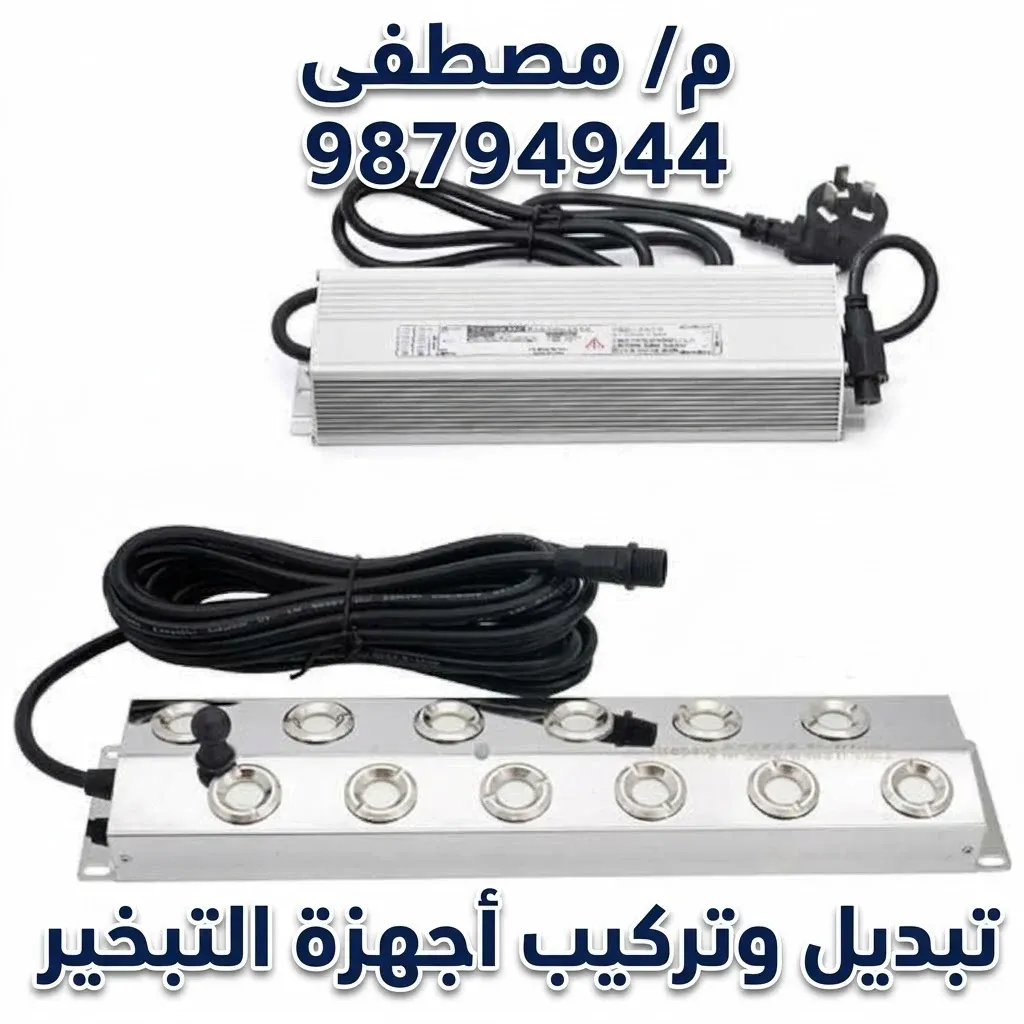
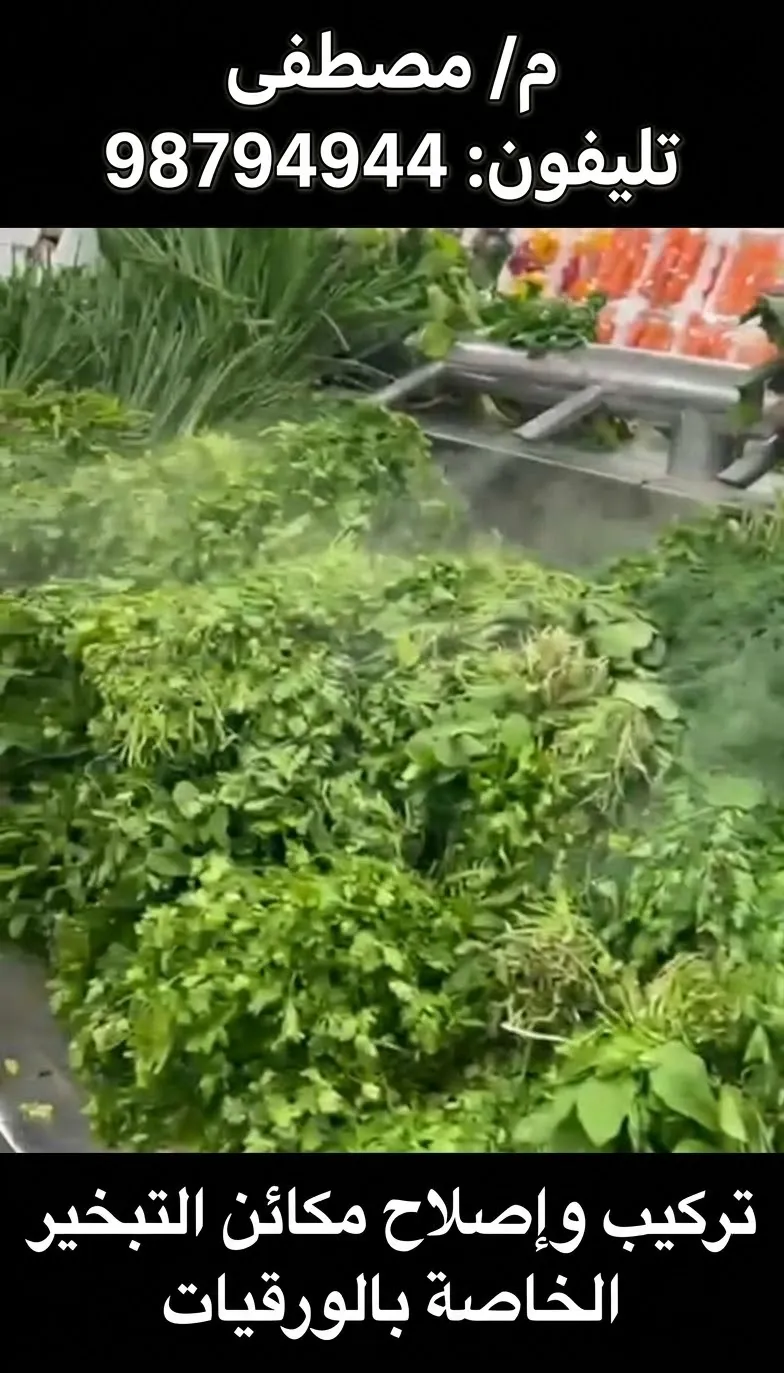
Vegetable misting system maintenance in Kuwait includes inspecting the components responsible for delivering water to the nozzles and converting it into the appropriate mist according to the equipment design. A system may contain a pressure pump, water filters, piping, spray nozzles, and a controller that regulates operating times and spray duration. It may also include valves, sensors, and additional components that vary from one model to another.
The challenge is that a fault in one component may affect the entire system. If a filter becomes blocked, water flow to the pump or nozzles may decrease. If a water line leaks, less pressure may reach the nozzles located farther away. If the controller fails, misting cycles may stop even though the pump itself is functioning normally. Maintenance should therefore begin by identifying the location of the fault and reviewing water condition, piping, and pressure instead of replacing components before the cause has been confirmed.
What Is Included in Vegetable Misting Machine Maintenance?
-
Inspecting the water supply and its suitability for the system.
-
Reviewing filters and checking for blockages.
-
Inspecting the misting pump according to its design.
-
Checking operating pressure and water flow.
-
Inspecting piping and connections.
-
Detecting visible or concealed water leaks.
-
Checking spray nozzles and misting heads.
-
Reviewing mist patterns and distribution consistency.
-
Confirming correct valve operation.
-
Inspecting the controller and operating schedule.
-
Reviewing sensors, when installed.
-
Checking electrical connections and protective devices.
-
Cleaning serviceable components according to manufacturer instructions.
-
Testing the system after repairs.
-
Identifying components that need replacement when damage is confirmed.
Does a Misting System Need Maintenance Even When It Is Working?
Yes. Water coming out of the nozzles does not necessarily mean every spray head is clean or that the water is passing through the system under safe and hygienic conditions.
Deposits may accumulate in certain components over time even when misting cycles continue to operate.
Are All Vegetable Misting Machines Designed the Same Way?
No. Certain systems rely on pressure pumps and mechanical spray nozzles, while other systems use different technologies to produce mist or fog.
The machine type and its actual components must therefore be identified before choosing inspection and cleaning methods.
Does Maintenance Include Cleaning Water Lines?
It may include water line cleaning when required by the system's condition and manufacturer instructions. Appropriate cleaning and disinfection methods must be selected for water that contacts produce or becomes airborne nearby.
Unapproved cleaners or disinfectants should not be introduced into the system.
Is It Normal for Some Nozzles to Spray More Strongly Than Others?
Minor differences may be related to system design, but unusually weak or completely blocked nozzles require inspection.
The spray pattern should be compared with the machine's original specifications.
Can a Misting Machine Replace Vegetable Refrigeration?
No. Misting systems are intended to help manage humidity for suitable produce, not replace refrigeration or proper food storage.
Appropriate storage and display temperatures must still be maintained, together with applicable food safety requirements.
Do All Vegetables Need to Be Sprayed with Water?
No. Product requirements differ. Leafy vegetables may benefit from suitable moisture conditions, while certain products may not tolerate direct spraying or excessive wetting.
Misting schedules should therefore be based on product requirements and display arrangements rather than spraying every vegetable category indiscriminately.
Vegetable Misting System Components
|
Component |
Function |
Possible Fault |
|
Water supply |
Provides water to the system |
Interruption or unsuitable pressure |
|
Water filter |
Reduces impurities according to filter type |
Blockage or reduced effectiveness |
|
Pump |
Provides required pressure or flow |
Weak operation or failure |
|
Spray nozzles |
Distributes water as mist |
Blockage or dripping |
|
Piping |
Carries water |
Leakage or blockage |
|
Valves |
Regulates water movement |
Failure or poor sealing |
|
Controller |
Regulates misting times and cycles |
Operating or programming fault |
|
Sensors, when installed |
Monitors operating variables |
Inaccurate reading |
|
Electrical connections |
Supplies system components |
Disconnection or short circuit |
|
Drainage points |
Removes water according to system design |
Blockage or water accumulation |
The key consideration: Vegetable misting machine maintenance begins with inspecting the complete system. A problem visible at the nozzles may actually originate from the filter, water pressure, pump, or controller.
Vegetable Misting Machine Not Spraying: Causes of Spray Failure and Diagnostic Methods
If your vegetable misting machine is not spraying, you must first determine whether the machine has stopped operating altogether or whether it is running without water reaching the nozzles. These are two different situations. If the controller is off or is not issuing operating commands, the problem may be electrical or related to programming. If the pump runs but no mist appears, possible causes include a clogged filter, inadequate water supply, a closed valve, or blocked water lines.
It is also important to determine whether all nozzles have stopped or only a particular section. If every nozzle stops simultaneously, the technician should inspect the water supply, controller, pump, and shared system components. If only the nozzles at the far end of the line fail while those closer to the pump still work, the inspection may focus on flow, pressure, piping, and the affected nozzles. These observations reduce guesswork and help determine the work required.
What Are the Common Causes of Misting Failure?
-
Interrupted water supply.
-
Clogged filters.
-
Pump failure.
-
Pressure below the operating requirements.
-
Closed or defective valves.
-
Blocked water piping.
-
Clogged spray nozzles.
-
Controller failure.
-
Electrical or protective device faults.
-
Problems with a sensor or operating switch, if installed.
-
Incorrect misting duration settings.
-
Air trapped in the system or water supply problems in certain pump designs.
Does a Running Pump Sound Mean the Pump Is Working Correctly?
No. Hearing the pump operate does not prove that it is providing the required pressure and water flow.
The supply conditions, internal pump components, or operating environment may be responsible for the problem.
Could the Water Filter Be Responsible?
Yes. A dirty filter may restrict water movement and affect the misting system's performance.
It should be checked according to equipment instructions before concluding that the pump is defective.
Can the Controller Prevent Misting?
Yes. The controller may operate misting cycles according to a programmed schedule or signals from other components.
A failure to spray may result from an incorrect setting or an actual controller fault. The operating program and current system status must therefore be reviewed.
Can Low Water Pressure in the Shop Stop Misting?
Insufficient inlet pressure or flow may affect systems that require water supplied within specific operating limits.
The actual conditions should be measured and compared with the machine specifications.
Will Running the Nozzles Continuously Solve the Problem?
No. Bypassing the normal operating schedule may create excessive moisture, affect produce, or cause the pump to operate outside its permitted limits.
Control systems and protective devices must not be bypassed simply to test whether spraying resumes.
What Can a Shop Owner Do Before Calling a Technician?
-
Confirm that the water supply is available and suitable.
-
Observe the controller screen, if installed.
-
Record whether the pump is running or stopped.
-
Determine whether all nozzles are affected.
-
Check for visible water leakage.
-
Stop using the system if an electrical hazard is present.
-
Document the issue with a photograph or short video.
-
Avoid opening the pump or electrical connections.
-
Do not introduce unapproved cleaning chemicals into the water lines.
Vegetable Misting Machine Spray Failure Diagnosis
|
Symptom |
More Likely Explanation |
Appropriate Inspection |
|
Machine does not operate at all |
Electrical supply, controller, or protection |
Check power and controls |
|
Pump operates but no mist appears |
Blockage, poor supply, or valve fault |
Inspect water and pressure |
|
Half the nozzles have stopped |
Blocked line or spray heads |
Check water distribution |
|
Misting stops after a few minutes |
Protection, schedule, or pump issue |
Review operating cycle |
|
Spray is abnormally intermittent |
Pressure, valve, or controller problem |
Measure performance |
|
Nozzles only drip |
Incorrect pressure or blockage |
Inspect filters and nozzles |
|
Failure after filter replacement |
Installation, compatibility, or supply issue |
Review previous maintenance |
|
Alarm appears on display |
Model-specific fault |
Interpret fault code |
When a vegetable misting machine stops spraying, the first step is to determine whether the problem affects the entire system or only certain nozzles. This helps identify the correct inspection location and repair procedure.
Clogged Vegetable Misting System Nozzles: Causes and Signs of Deposit Accumulation
Clogged vegetable misting system nozzles are among the most visible problems in produce departments, particularly when a fine mist changes into large water droplets or certain nozzles begin spraying in the wrong direction. Blockages may result from small particles, mineral deposits, or contamination inside water lines, depending on water quality, filtration equipment, and nozzle type.
The problem is not limited to an uneven spray appearance. Water may accumulate on particular sections of a vegetable display while other sections receive insufficient moisture. Repeated blockage may also indicate a problem with filtration or pipe cleanliness rather than a separate defect in every nozzle. It is therefore important to inspect the source of deposits and confirm component condition before replacing the entire group of spray heads.
What Are the Signs of Clogged Misting Nozzles?
-
Reduced mist output.
-
Large water droplets instead of fine mist.
-
Changes in spraying direction.
-
One nozzle stops while the others continue operating.
-
Noticeable differences between the beginning and end of a water line.
-
Deposits around spray openings.
-
Continuous dripping after the misting cycle stops.
-
Blockages returning shortly after cleaning.
Can Minerals in Water Cause Nozzle Blockages?
Mineral deposits may narrow nozzle openings, especially when the water contains elevated concentrations of certain dissolved minerals.
However, identifying the actual cause requires reviewing water quality and treatment arrangements rather than relying only on the appearance of the deposits.
Do Filters Prevent Every Type of Blockage?
No. Filters differ in their ability to remove particles, and certain filter technologies do not address dissolved minerals or biological deposits.
Some systems may require additional water treatment specified by the manufacturer according to source water quality.
Can One Clogged Nozzle Affect the Entire Line?
Its effect may be limited or may influence flow distribution, depending on the misting system design.
Nozzle performance and system pressure should therefore be evaluated after clearing the blockage.
Can I Use a Needle to Widen the Nozzle Opening?
This should not be attempted unless the manufacturer explicitly permits a particular tool and procedure.
Tampering with a small nozzle opening may change the spray pattern or permanently damage the component.
Does a Clogged Nozzle Need Immediate Replacement?
Not always. Certain spray heads can be removed, cleaned, and disinfected according to approved procedures. Others require replacement if damaged or unable to produce the intended spray pattern.
Cleaning costs, component condition, and manufacturer recommendations should be considered.
Does Repeated Blockage Indicate a Larger Problem?
It may indicate inadequate filtration, deposits inside the water lines, or unsuitable operating conditions.
Cleaning a nozzle alone is not enough if the source of contamination or deposits remains.
What Does Nozzle Inspection Include?
-
Identifying the number of affected nozzles.
-
Reviewing spray patterns.
-
Checking filter condition.
-
Measuring pressure and water flow.
-
Inspecting nozzle connections.
-
Evaluating deposits.
-
Cleaning serviceable components.
-
Replacing damaged nozzles when necessary.
-
Testing spray consistency after restarting.
Causes of Misting Nozzle Blockages
|
Possible Cause |
Typical Sign |
Repair Worth Evaluating |
|
Water particles |
Repeated blockage |
Review filters |
|
Mineral deposits |
Buildup around nozzle |
Evaluate water quality |
|
Contamination inside piping |
Several dirty nozzles |
Appropriate cleaning and disinfection |
|
Damaged nozzle |
Irregular spray after cleaning |
Compatible replacement |
|
Unsuitable filter |
Particles reaching the nozzles |
Review filtration specifications |
|
Incorrect installation |
Spray directed incorrectly |
Check nozzle mounting |
|
Poorly sealing valve |
Dripping after shutdown |
Inspect valve |
|
Incorrect pressure |
Coarse or weak mist |
Inspect the complete system |
Clogged misting nozzles require attention to both the spray heads and the source of deposits. Replacing a nozzle without reviewing water quality and filters may allow the problem to return.
Vegetable Misting Pump Repair: When Should the Pump Be Repaired or Replaced?
Vegetable misting pump repair requires understanding the pump type, capacity, and operating conditions before deciding on the appropriate work. A pump may be electrically functional but receive insufficient water, or it may operate under unsuitable conditions because another system component is blocked. In other situations, an internal pump component, motor, or protective device may be defective. The technician must then assess whether the damaged component is serviceable according to its design.
One of the most expensive mistakes is replacing the entire pump simply because misting pressure is weak without checking the filters, connections, and water source. A new pump may face exactly the same problem if water supply is inadequate or the distribution lines remain blocked. A technician should therefore begin by measuring operating conditions and inspecting the water path, then identify the actual fault and required repair.
What Are the Signs of a Faulty Misting Pump?
-
The pump stops operating.
-
Unusual operating noises.
-
Excessive vibration.
-
Low pressure despite adequate water supply.
-
Leakage from the pump housing or connections.
-
Electrical protection trips.
-
Abnormal intermittent operation.
-
Unusual motor overheating.
-
Failure to provide the required flow rate.
Does a Running Pump Mean It Is Working Properly?
No. Motor rotation alone does not establish that the correct water pressure or flow rate is being produced.
The pump must be assessed against its specified operating conditions.
Can Replacing the Filter Restore Pressure?
Performance may improve if a clogged filter is responsible, but not every low-pressure problem can be resolved through filter replacement.
The pump and water lines should be inspected if low pressure continues.
Can Running a Pump Without Water Damage It?
Dry running may damage certain pump types, depending on their design and manufacturer instructions.
The pump should not be forced to operate when its water supply is unavailable or inadequate.
Can a Leak in the Pump Housing Be Repaired?
This depends on the location of the leak, seal condition, materials, and pump design.
Replacing an internal component may be suitable for some systems, while others may require replacement of the complete pump assembly.
Can a More Powerful Pump Be Used Instead of the Original?
A pump with higher pressure or flow should not be installed without a technical assessment of the entire system.
The nozzles, piping, valves, and controller are designed to operate within specified limits. An unsuitable pump may cause leakage or component damage.
Does Pump Repair Require Disconnecting Electricity?
Yes. The electrical supply must be secured, and residual pressure must be safely released according to appropriate maintenance procedures before opening components.
This work should be performed by qualified personnel.
Misting Pump Fault Diagnosis
|
Visible Fault |
Possible Explanation |
Technical Action |
|
Pump stopped |
Electrical, controller, or motor fault |
Inspect supply and operation |
|
Loud noise |
Water supply issue or internal component fault |
Evaluate operating conditions |
|
Low pressure |
Filter, pump, or leak problem |
Complete system inspection |
|
Motor overheating |
Load, ventilation, or component fault |
Investigate the cause |
|
Pump leakage |
Connection or seal problem |
Assess repair options |
|
Repeated shutdown |
Protection, controller, or mechanical problem |
Diagnose shutdown cause |
|
Unstable pressure |
Water supply, valve, or pump |
Measure operation |
|
Failure after installing a new pump |
Compatibility or installation issue |
Review specifications |
Vegetable misting pump repair begins with identifying the cause. Replacing the pump before checking filters, water supply, and piping may increase costs without correcting the problem.
Cleaning Vegetable Humidification Nozzles: Removing Blockages Safely

Cleaning vegetable humidification nozzles is an important part of misting system maintenance because the spray openings are small and may be affected by impurities and deposits during operation. However, cleaning involves more than removing visible mineral buildup. These nozzles create fine water droplets near food products, employees, and customers. Water circuit cleanliness, supply quality, and approved component disinfection methods must therefore be considered.
It may be necessary to shut down and secure the system, remove serviceable components according to manufacturer instructions, clean and disinfect them, and reinstall them before testing mist distribution. Household cleaning mixtures or unsuitable chemicals must not be introduced into vegetable misting systems. Chemical residues or reactions with system materials may create hazards or damage spray components.
Is Cleaning Limited to the Nozzle Head?
No. Deposits may originate inside pipes, filters, or a water tank when one is installed.
A broader cleaning procedure may therefore be necessary depending on system condition.
Can Nozzles Be Cleaned While the System Is Running?
Connections should not be opened and nozzles should not be removed while the system is pressurized.
The system and its required electrical supply must be secured according to maintenance instructions.
Is Vinegar Suitable for Cleaning Misting Nozzles?
Vinegar or other household cleaning solutions should not automatically be used. Cleaning products must be selected according to manufacturer instructions, material compatibility, and food safety requirements.
Residues from any cleaning substance must not be left inside the water circuit.
Is Plain Water Enough for Cleaning?
Suitable water may be used during particular rinsing stages, but contamination removal and disinfection are separate procedures defined by the equipment instructions and water safety program.
Rinsing alone does not establish that the system is free from microbial contamination.
Should Nozzles Be Cleaned on a Regular Schedule?
Yes. Cleaning frequency should follow manufacturer guidance, water quality, usage conditions, and the shop's approved hygiene program.
Maintenance should not be delayed until the nozzles stop spraying.
Can Compressed Air Be Used to Clean the Nozzles?
Only when equipment instructions permit it, and in a way that prevents component damage or dispersal of contaminants.
It is preferable to use cleaning tools specifically approved for the model.
Does the Water Line Need Disinfection After Blockage?
Cleaning and disinfection may be necessary under the water management program, especially when deposits, contamination, or stagnant water are identified.
Appropriate procedures should be selected by qualified personnel using approved products and instructions rather than improvised chemical mixing ratios.
What Are the Steps in Nozzle Cleaning Service?
Identifying Affected Nozzles: Record areas where mist output is weak or blocked.
Safely Shutting Down the System: Secure the pump, pressure, and electrical connections.
Reviewing the Water Source: Check water quality and filter condition.
Removing Permitted Components: Follow the nozzle design and manufacturer instructions.
Appropriate Cleaning and Disinfection: Follow the misting system's water safety requirements.
Rinsing and Verification: Follow chemical product and manufacturer instructions.
Reinstallation: Confirm compatibility and secure connections.
Mist Testing: Evaluate nozzle consistency and spray distribution.
Service Documentation: Record which nozzles were cleaned or replaced.
Vegetable Misting Nozzle Maintenance
|
Problem |
Appropriate Action |
|
Minor deposits |
Approved cleaning for the specific model |
|
Repeated blockage |
Inspect water source and filtration |
|
Damaged nozzle |
Replace with a compatible component |
|
Dripping after shutdown |
Inspect valve and nozzle |
|
Contamination inside the line |
Evaluate cleaning and disinfection |
|
Weak mist from all nozzles |
Inspect pressure and filters |
|
Incorrect spray direction |
Review mounting or nozzle condition |
|
Repeated scaling |
Evaluate permitted water treatment options |
Request Misting Nozzle Cleaning and Inspection
If you notice that nozzles are dripping instead of spraying or that mist is not distributed evenly across vegetable shelves, prepare the number of nozzles, equipment type, and a photograph of the issue. Specify whether the blockage affects one line or the entire system.
Nozzle cleaning must support both effective misting and hygienic water conditions. Operating a contaminated or unsuitable misting system near food may create risks that extend beyond poor humidification.
Vegetable Misting Machine Has Low Pressure: Finding the Cause from the Pump to the Last Nozzle
If your vegetable misting machine has low pressure, you may notice that nozzles near the beginning of the line operate reasonably well while those farther away produce large droplets or only a weak mist. In other cases, pressure may be low across every nozzle, or the system may begin spraying correctly and then gradually lose performance. These situations require different inspection approaches because the fault may originate in a shared component at the beginning of the system or be limited to part of the water distribution network.
Increasing pump pressure immediately is not advisable because the cause may be a clogged filter, a leak, a partially closed valve, or a water supply problem. Increasing pressure beyond permitted limits may damage nozzles, pipes, or connections. The better approach is to measure operating conditions at suitable points and compare them with equipment specifications while inspecting the water source, filters, and piping.
What Commonly Causes Low Misting Pressure?
-
Weak incoming water supply.
-
Clogged filter.
-
Pump inlet or supply problem.
-
Leaking connections.
-
Partially blocked piping.
-
Valve malfunction.
-
Weak pump performance.
-
More nozzles than the system was designed for.
-
Incompatible nozzle types.
-
Controller or operating faults.
Does a Weak Nozzle at the End of the Line Mean the Pump Is Defective?
Not necessarily. The problem may involve pressure distribution along the line, a localized blockage, or a leak.
The performance of nearby and distant nozzles should be compared before making a decision.
Will Increasing Pressure Solve the Problem?
Changing pressure may alter the mist pattern, but it is not an appropriate solution when the real cause is a clogged filter or water leak.
The maximum permitted pressure for system components must not be exceeded.
Does the Number of Nozzles Affect Pressure?
Yes. Every nozzle requires a certain water flow, and adding too many nozzles without suitable system design may affect performance.
Additional spray heads should not be installed without reviewing system capacity.
Does Pipe Diameter Matter?
Pipe diameter, length, and routing may affect pressure loss and flow.
Modifying the distribution network requires technical assessment rather than randomly replacing piping.
Can a New Filter Cause Low Pressure?
This may occur when the filter type or flow rating is unsuitable for the machine or when it is installed incorrectly.
Approved specifications compatible with the system must be followed.
Can a Small Leak Reduce Pressure at Every Nozzle?
This depends on leak size, location, operating pressure, and the distribution network design.
Its effect may be significant or limited, so actual inspection is necessary.
Low Misting Pressure Diagnosis
|
Observation |
Inspection Focus |
|
All nozzles are weak |
Water source, filter, and pump |
|
End of the line is weaker |
Pipe distribution, pressure, and blockage |
|
Pressure changes during operation |
Pump supply and controls |
|
Mist starts normally then weakens |
Filter, pump, or operating conditions |
|
Water visible around connections |
Possible leakage |
|
Pressure is suitable but mist is irregular |
Nozzle condition |
|
Low pressure after adding nozzles |
System capacity and compatibility |
|
Low pressure after filter replacement |
Filter compatibility and installation |
Low pressure in a vegetable misting machine requires inspection from the water supply all the way to the final nozzle. Replacing the pump or increasing pressure without identifying the cause may damage the system.
Misting System Leak Repair Costs: What Determines the Price and Repair Time in Kuwait?

Misting system leak repair costs vary according to leak location, pipe and fitting type, accessibility, and whether replacement components are required. The problem may be an easily accessible connection, or it may involve concealed piping behind vegetable display shelves or near the pump, increasing the amount of removal, installation, and testing work.
It is important not to compare the price of repairing a simple connection with a service that includes replacing a complete water line, valve, or pump component. Each situation involves different costs. The work may also require cleaning or disinfecting sections of the system after repair, depending on the procedure and hygiene requirements. A quotation should therefore explain the cause of the leak, required components, and testing instead of relying on a general amount before diagnosis.
What Causes Water Leaks in a Misting Network?
-
Loose connections.
-
Damaged pipes or hoses.
-
Unsuitable pressure.
-
Corroded or cracked components.
-
Incorrect installation.
-
Damaged seals or gaskets.
-
Vibration near the pump.
-
Damage during shelf cleaning.
-
Unsuitable previous modifications.
-
Valves that fail to close properly.
Does Leakage Always Come from a Nozzle?
No. Water may escape from a fitting, pipe section, valve housing, or pump.
The original source of accumulated water should be identified before approving repairs.
Is Replacing the Connection Enough?
It may be sufficient if the leak is limited to a serviceable connection and no additional damage is present.
However, circuit tightness and performance should be tested after the repair.
Can Adhesive Tape Be Used to Repair the Leak?
Temporary materials that are not designed for the system's operating pressure and specifications should not be treated as permanent repairs.
Suitable, approved components must be used, particularly when the water system operates close to food products.
Can a Leak Affect Merchandise?
Yes. It may cause excessive wetting of products, water accumulation on shelves or floors, slipping hazards, or damage near electrical components.
The leak should be repaired and the affected area made safe.
Does Leak Repair Require Stopping Misting?
The damaged section generally needs to be secured, and water flow and pressure must be stopped before dismantling according to the system design and maintenance procedures.
Products must remain protected during the work.
Can the Repair Price Be Determined from a Photograph?
A photograph may help identify the apparent leak location, but it does not always reveal the cause of damage or the condition of concealed piping.
The final cost depends on the confirmed scope of repair.
Factors Affecting Misting System Leak Repair Costs
|
Service Type |
What Determines the Cost? |
|
Leak detection |
Number of lines and accessibility |
|
Connection repair |
Fitting type and location |
|
Hose replacement |
Length and specifications |
|
Valve replacement |
Model, pressure rating, and compatibility |
|
Pump leak repair |
Seal and component condition |
|
Damaged nozzle replacement |
Nozzle type and quantity |
|
Removing display shelves for access |
Scope of work |
|
Post-repair cleaning |
Size of affected section |
|
Pressure testing |
System design and test procedure |
|
Technician labor |
Inspection and repair requirements |
|
Delivery or service visit |
Service conditions |
|
Warranty, when available |
Written coverage and terms |
What Should You Ask Before Approving the Price?
-
Where is the leak located?
-
What caused the leak?
-
Does a component need replacement?
-
Is the replacement compatible with the system?
-
Does the price include removal and installation?
-
Is cleaning or disinfection required?
-
Will the system be tested for leaks?
-
Does the quotation include checking the rest of the line?
-
What is the estimated repair duration after diagnosis?
-
Is there a written warranty on labor or parts?
Misting system leak repair costs depend on damage location, repair method, and testing. The best quotation explains exactly what will be repaired and why the work is necessary.
When Should Misting Machine Filters Be Replaced? Blockage Signs and Maintenance Records
The question "When should misting machine filters be replaced?" does not have a single answer that applies to every system. Filter life depends on filter type, water quality, usage volume, and manufacturer specifications. Equipment operating for long periods may require more frequent attention than a system with limited use, but replacement decisions should follow filtration guidance and inspection findings rather than the number of days alone.
Filters help protect nozzles and certain system components from impurities appropriate to the filter type. However, a filter should not automatically be assumed to remove every dissolved mineral, microorganism, or contaminant. Each filtration technology has specific capabilities and limitations. The filter must therefore be selected according to machine specifications and source water quality, alongside an appropriate cleaning and disinfection program for the misting system.
What Are the Signs of a Clogged Filter?
-
Gradually weakening mist output.
-
Reduced water flow.
-
Changes in pressure across the filter.
-
Increasing nozzle contamination.
-
Repeated blockage problems.
-
Filter alarm, when the system includes one.
-
Exceeding the manufacturer's specified service life.
Is Replacing the Filter Every Month Necessary?
A one-month replacement interval should not be applied to all machines because schedules vary with filter design, usage, and water quality.
Manufacturer instructions must be followed.
Can Every Type of Filter Be Washed?
No. Certain filters can be serviced or cleaned using specified methods, while other filter cartridges are intended to be replaced when their service life ends.
A filter not designed for washing must not be cleaned and returned to service as though it were reusable.
Do Filters Remove Dissolved Minerals?
This depends on the water treatment technology. A particulate filter does not necessarily remove dissolved minerals.
Some systems may need additional water treatment based on specifications and water analysis.
Must an Original Manufacturer Filter Be Used?
The important requirement is to use an approved, compatible component that meets manufacturer specifications for size, flow rate, filtration performance, pressure, and suitability for the water being used.
A replacement should not be selected merely because it looks similar.
Can a Dirty Filter Affect the Pump?
Restricted water flow may create unsuitable supply conditions for certain pump types.
The cause of the blockage should therefore be corrected according to system design.
Does Replacing the Filter Eliminate the Need to Clean the Pipes?
No. Deposits or contamination already present inside the piping may require separate cleaning or disinfection.
The complete system should be evaluated when blockage problems recur.
Misting Filter Maintenance Tracking
|
Monitoring Item |
What Should Be Recorded? |
|
Filter type |
Model and specifications |
|
Installation date |
Beginning of service |
|
Manufacturer recommendations |
Inspection or replacement interval |
|
Water quality |
Available testing information |
|
Water flow |
Indications of reduced flow |
|
Differential pressure, when measurable |
Operating comparison |
|
Nozzle condition |
Repeated blockage |
|
Cleaning date |
Procedures completed |
|
Replacement date |
Maintenance history |
|
New component |
Compatibility specifications |
Is a Filter Maintenance Log Useful for a Shop?
Yes. It helps track service intervals and determine whether recurring blockage is related to an expired filter or unsuitable water conditions.
Misting machine filters should be replaced according to specifications and operating condition, with attention to water quality and system hygiene—not according to one fixed schedule for every appliance.
Vegetable Misting Machine Controller Failure: Operating, Timing, and Sensor Problems
Vegetable misting machine controller failure may appear as a complete spraying shutdown, misting at inappropriate times, or cycles that continue longer than expected. In many systems, the controller regulates spraying schedules and duration and may communicate with a pump, valve, or sensors depending on the design. A lack of mist should therefore not automatically be treated as controller failure before electrical supply, pump operation, and valves have been checked.
It is also important to distinguish a controller fault from incorrect settings. Some machines may experience unintended changes to their operating schedule, or their settings may be affected by a power interruption, depending on the model. Other faults may result from a defective sensor or damaged connection. A technician should therefore review the equipment model, programming method, alarm codes, and operating status before deciding whether to repair or replace the controller.
What Is the Function of a Misting Machine Controller?
It regulates commands to start and stop spraying according to the equipment's permitted operating program.
Depending on the model, it may control spray duration, intervals between cycles, and other connected components.
What Are the Signs of Controller Problems?
-
Misting stops despite an available water supply.
-
Operating commands receive no response.
-
Unusual continuous spraying.
-
Spray cycle duration changes unexpectedly.
-
Alarm messages or fault codes appear.
-
The pump does not start at the required time.
-
A connected valve fails to operate correctly.
-
Unreasonable sensor readings, if sensors are installed.
Can a Power Outage Change Controller Settings?
This may happen in certain units depending on their memory design and operating program.
The instructions for the specific model should be reviewed rather than assuming every controller loses its settings.
Can the Controller Be Reprogrammed?
Some equipment permits settings to be changed within manufacturer-defined limits.
However, programming should not be altered randomly because excessive misting may wet products unnecessarily or waste water.
Does a Working Controller Mean the Pump Is Functioning Correctly?
No. An active display screen or an operating command does not establish that the pump or valve is working properly.
Related components require inspection.
Can Any Controller Be Used as a Replacement?
No. The controller must be compatible with the operating voltage, pump, valves, sensors, and control method.
Approved replacement units may require particular settings or wiring arrangements.
Can a Faulty Sensor Stop Spraying?
It may affect operation in equipment that relies on sensor input.
The sensor type and function must be established before replacement.
Can the Controller Be Bypassed to Start the Pump?
Protective or control functions should not be bypassed, and unqualified individuals should not connect the pump directly to the electrical supply.
Doing so may create electrical hazards or cause the system to operate outside its permitted limits.
Vegetable Misting Controller Fault Table
|
Fault |
Possible Explanation |
Appropriate Inspection |
|
Screen is off |
Power supply or controller issue |
Electrical inspection |
|
Screen works but no mist appears |
Operating command, pump, or valve |
Inspect circuit |
|
Continuous spraying |
Settings, relay, or valve |
Inspect controls |
|
Irregular operating cycles |
Program or sensor problem |
Review settings |
|
Alarm displayed |
Model-specific fault |
Interpret error code |
|
Settings are not retained |
Programming or controller issue |
Review equipment manual |
|
Repeated shutdowns |
Protection or electrical fault |
Diagnose the cause |
|
Manual operation works but automatic operation does not |
Program or controller issue |
Review operating commands |
Vegetable misting controller repair requires checking the operating program, wiring, pump, and valves. Replacing the controller before diagnosis may not resolve the actual fault.
Supermarket Produce Section Misting System Maintenance: Service Steps, Costs, and Why Contact Us?
Supermarket produce section misting system maintenance requires attention to the entire installation, particularly when water lines extend across several shelves or display areas and operate close to large quantities of food. A spraying failure may affect how certain vegetables are presented, while excessive misting or water leakage may create unwanted wetness and standing water in service areas. Most importantly, misting systems produce small airborne droplets that can be inhaled. Water hygiene, prevention of stagnation, and contamination control are therefore essential parts of responsible system management.
Through Cold Room and Display Refrigerator Maintenance in Kuwait, you can inquire about vegetable misting machine inspection and maintenance services and the availability of repairs according to equipment type and network size. The inspection scope, cleaning requirements, replacement parts, costs, testing procedures, and any available warranty terms should be agreed upon beforehand so that the maintenance decision is clear.
What Are the Steps in Inspecting and Repairing a Misting System?
Receiving the Problem Description: Determine whether the fault involves stopped spraying, low pressure, blockage, leakage, or controller malfunction.
Identifying the System Type: Record the brand, model, mist generation method, and network components.
Reviewing Water Safety: Verify an appropriate water source and system hygiene requirements.
Inspecting Filters: Evaluate blockage, compatibility, and replacement condition.
Inspecting the Pump: Review operation, pressure, and flow within the machine's limits.
Inspecting Piping: Locate leaks, blockages, or poorly sealed connections.
Reviewing Nozzles: Identify clogged or damaged spray heads.
Inspecting the Controller: Review programming, wiring, and alarms.
Determining the Repair: Explain whether cleaning, nozzle or filter replacement, or pump or valve repair is required.
Preparing the Quotation: Detail inspection, replacement parts, labor, and required tests.
Performing the Service: Follow manufacturer instructions and safety procedures.
Testing Operation: Verify even mist distribution and check for visible leaks.
Reviewing System Hygiene: Complete necessary cleaning and disinfection before use.
Documenting Maintenance: Record completed work, replaced components, and follow-up recommendations.
What Determines the Cost of Misting System Maintenance?
-
Number of spray nozzles.
-
Length of the piping network.
-
Machine and pump type.
-
Filter type.
-
Fault location.
-
Accessibility of components.
-
Controller condition.
-
Presence of leaks.
-
Need for replacement parts.
-
Scope of cleaning and disinfection.
-
Pressure and flow testing.
-
Shop location.
-
Required post-repair monitoring.
Is There a Fixed Maintenance Price for Every System?
No. A small system differs from a network extending across several display shelves, and cleaning a nozzle costs differently from replacing a pump or controller.
A more accurate price is determined once the fault, specifications, and work scope are known.
Is Preventive Maintenance Better Than Waiting for a Breakdown?
Preventive maintenance is important for regularly reviewing filters, nozzles, piping, water quality, and controller operation.
However, it does not guarantee that every breakdown will be prevented. It should form part of a suitable operating and hygiene program.
Is Misting Water Hygiene Only a Technical Maintenance Responsibility?
No. It is also connected to food safety procedures and water management within the establishment.
An appropriate potable water supply must be used, with approved cleaning and disinfection procedures and applicable requirements from the relevant authorities.
Can the System Be Restarted Immediately After Pump Repairs?
A running pump is not sufficient by itself. Pressure, mist consistency, and leak tightness must be checked, and water and circuit hygiene requirements must be completed before the system is returned to operation near food.
Is There a Warranty on Repairs?
Warranty coverage depends on the repair, replacement component, and agreement with the service provider.
The duration, coverage, and exclusions should be requested in writing when available, without assuming that every system component is covered by a comprehensive warranty.
Why Choose a Provider That Inspects All System Components?
Because faults are interconnected. Clogged nozzles may result from filters or water quality, while low pressure may be caused by a leak instead of the pump.
Comprehensive diagnosis helps identify the appropriate repair and reduces repeated, unnecessary work.
Misting System Maintenance Service Evaluation
|
Evaluation Criterion |
Benefit for the Shop Owner |
|
Understanding the misting system type |
Appropriate inspection methods |
|
Reviewing water quality |
Reduces risks from unsuitable water |
|
Filter inspection |
Identifies possible blockage sources |
|
Pressure measurement |
Diagnoses weak mist output |
|
Pump inspection |
Avoids unnecessary replacement |
|
Nozzle inspection |
Improves mist distribution |
|
Leak detection |
Addresses leaking connections or piping |
|
Controller inspection |
Reviews operating cycles |
|
Appropriate cleaning and disinfection |
Supports system hygiene |
|
Detailed quotation |
Clarifies service costs |
|
Post-repair testing |
Evaluates maintenance results |
|
Service documentation |
Supports future monitoring |
|
Clear warranty terms, when available |
Defines coverage |
What Information Should You Prepare Before Requesting a Technician?
-
Shop or cooperative supermarket location in Kuwait.
-
Type of misting machine.
-
Brand and model.
-
Approximate number of spray nozzles.
-
Length of the vegetable display section.
-
Whether all nozzles are affected.
-
Whether the pump operates.
-
Whether pressure is weak.
-
Whether water leakage is present.
-
When the filter was last replaced.
-
Whether deposits are visible around the nozzles.
-
Whether the controller displays an alarm.
-
Whether the machine has previously been repaired.
-
Photographs or a video showing the spray pattern.
Request Vegetable Misting Machine Inspection According to the Fault
If your misting machine has stopped spraying, the nozzles are clogged, water pressure is weak, or the controller does not operate the system properly, prepare the equipment information and a description of the fault. Request an inspection that identifies the cause before approving replacement parts.
Appropriate vegetable misting system maintenance combines pump, pressure, filter, nozzle, and controller inspection with attention to water hygiene and product safety before restarting the system.
Frequently Asked Questions About Vegetable Misting System Maintenance in Kuwait
Why Is My Vegetable Misting Machine Not Spraying Even Though the Pump Is Running?
Possible causes include clogged filters or nozzles, insufficient water supply, or a malfunctioning valve. The problem may also involve piping or operating pressure. The water supply, filters, and distribution lines should therefore be inspected before replacing the pump.
How Much Does Vegetable Misting System Maintenance Cost in Kuwait?
Costs vary according to machine type, number of nozzles, pump and filter condition, and the location of a leak or blockage. Some problems only require cleaning or nozzle replacement, while others need pump or controller repair. The price should be determined after diagnosis, with replacement parts, labor, and testing clearly identified.
Do All Clogged Vegetable Misting Nozzles Need Replacement?
No. Certain nozzles can be cleaned and disinfected according to manufacturer instructions, while damaged nozzles or those that can no longer produce the correct spray pattern need replacement. Filters and water quality should also be reviewed when blockages recur.
When Should I Replace My Misting Machine Filter?
Replacement timing depends on filter type, water quality, usage volume, and manufacturer instructions. Signs requiring inspection include reduced flow, weak misting, and repeated nozzle blockages. There is no single replacement interval suitable for every misting system.
Can the Misting System Be Used Immediately After Cleaning the Nozzles?
It should not be returned to operation near food until proper installation and water hygiene have been verified, any required rinsing and disinfection procedures have been completed, and pressure, mist distribution, and leak tightness have been checked. Manufacturer instructions and food safety requirements must be followed.
Conclusion: Vegetable Misting System Maintenance in Kuwait for Clogs, Low Pressure, and Leaks
If the misting machine in your grocery store, cooperative supermarket, or produce department is no longer distributing water consistently, the first step is to identify the fault before replacing any components. Vegetable misting system maintenance in Kuwait involves more than cleaning spray nozzles. Depending on the equipment and symptoms, it also includes inspecting filters, pressure, pumps, piping, controllers, and the hygiene of the water distribution network.
Whether your vegetable misting machine is not spraying, you need to resolve clogged vegetable misting system nozzles, require vegetable misting pump repair, or want to understand misting system leak repair costs, suitable diagnosis helps identify the necessary work and avoid replacing functioning components. Water quality and approved cleaning and disinfection procedures are equally important because misting systems operate close to food and create fine droplets that may spread through the air.
Through Cold Room and Display Refrigerator Maintenance in Kuwait, you can inquire about vegetable misting machine inspections and available nozzle, pump, filter, and controller repair options. Provide the equipment type and details of the problem, and confirm the maintenance scope, costs, and warranty terms before agreeing to service.
Have your nozzles stopped spraying, has misting pressure become weak, or is water leaking from the produce section's misting lines?
Prepare a photograph of the machine, the number of nozzles, the fault location, and the date when the filters were last replaced. Request an inspection explaining the cause and the appropriate repair instead of replacing the pump or controller without diagnosis.
For inquiries about vegetable misting system maintenance in Kuwait:
Technical and Safety Note: A potable water supply suitable for the misting system must be used, and cleaning and disinfection must follow manufacturer instructions and an approved water safety program. Household cleaning mixtures or unsuitable disinfectants must not be introduced near food products. Pumps, pressurized water lines, and electrical connections must not be opened while operating. If water contamination, stagnation, or microbial growth is suspected, spraying should be stopped and the system assessed, cleaned, and disinfected before being returned to service. Applicable requirements issued by the relevant authorities in Kuwait must also be followed.